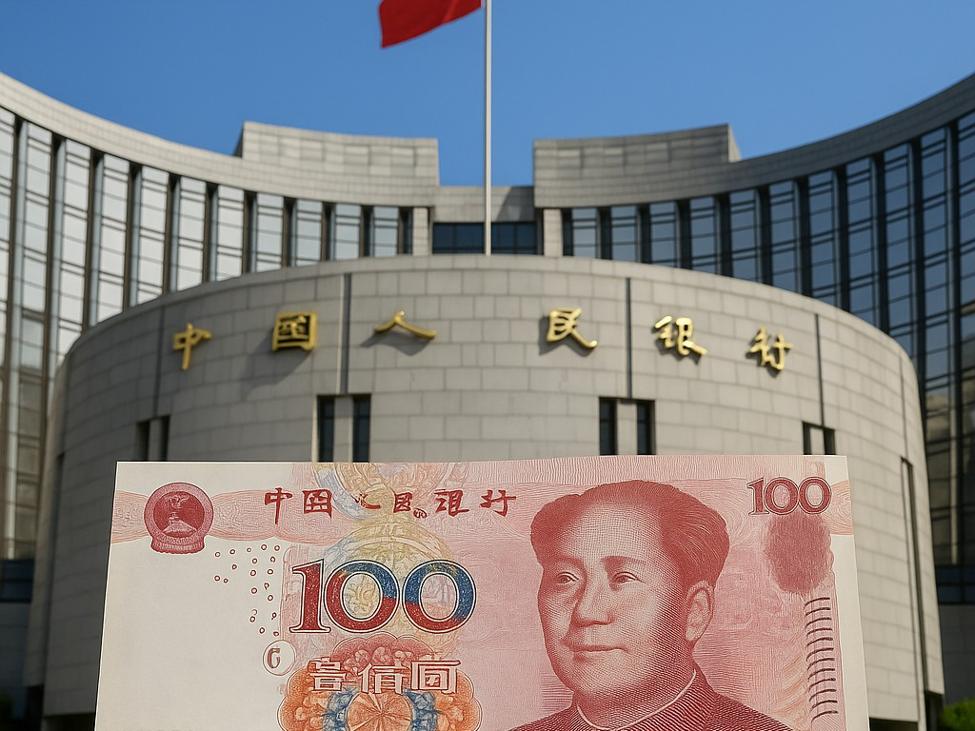
Japanese tourism to Hawaii is on the rise, with an increase in visitor numbers. However, spending habits have shifted significantly, leaving local businesses facing challenges. As the yen remains weak against the dollar, travelers are experiencing higher costs, leading to a cautious approach when it comes to spending.
Visitor Numbers vs. Spending Patterns
In January 2026, Hawaii welcomed 56,731 visitors from Japan, marking a 4.5 percent increase compared to the same month the previous year. Despite this growth in arrivals, total spending remained stagnant at approximately $83.2 million, according to the Department of Business, Economic Development and Tourism. The agency noted that Japanese tourists are staying for shorter durations, which contributes to the discrepancy between increased arrivals and lower spending per visit.
While the influx of Japanese tourists indicates a positive trend, spending has not followed suit. Reports indicate that travelers are cutting back on discretionary purchases, particularly in areas like shopping and activities. This cautious spending behavior is evident even as flight options have become more available.
The Impact of Currency Fluctuations
The weak yen plays a significant role in this situation. As the currency depreciates against the dollar, Japanese households find their purchasing power overseas diminished. Consequently, Hawaii appears more expensive to potential visitors, as they weigh the cost of hotels, dining, and shopping in dollars instead of yen. According to reporting from The Guardian, this currency shift has made a vacation in Hawaii feel less affordable for many Japanese tourists.
Flight service patterns also exacerbate the issue. Although air travel has resumed, the number of flights remains below pre-pandemic levels during crucial months. Some routes still feature fewer scheduled seats than they did in 2019, which impacts long-stay, high-spending leisure travelers. Industry analysts have pointed out that the reduced capacity can limit the influx of high-spending visitors, despite the gradual increase in available flights.
Adapting to New Realities
In response to these changes, local businesses are adjusting their strategies to attract visitors who have more limited budgets. The Hawai‘i Tourism Authority and various business groups are actively promoting targeted campaigns in Japan. They are also experimenting with value-focused offers, such as midday discounts and curated high-end packages, to appeal to tourists who might be more budget-conscious, as noted by the Honolulu Star-Advertiser.
For many businesses on the islands, the increase in arrivals is only beneficial if those visitors are willing to spend at levels that keep pace with rising costs. As they navigate this evolving landscape, operators are looking for new ways to entice tourists without compromising their bottom lines.
Looking ahead, economists emphasize that the outlook for Japanese tourism in Hawaii will heavily depend on currency fluctuations and the overall strength of Japan’s economy. A stronger yen could restore some purchasing power and potentially increase tourist spending. Local analyses suggest that to maintain robust economic recovery, Hawaii should diversify its source markets and focus on premium and niche experiences to bolster overall receipts, as highlighted in Hawaii Business Magazine.
Despite seeing more Japanese faces at the baggage claim, the real challenge lies in how these visitors manage their spending once they arrive. With many now more mindful of their wallets compared to the past, businesses will need to adapt to ensure their recovery is sustainable.