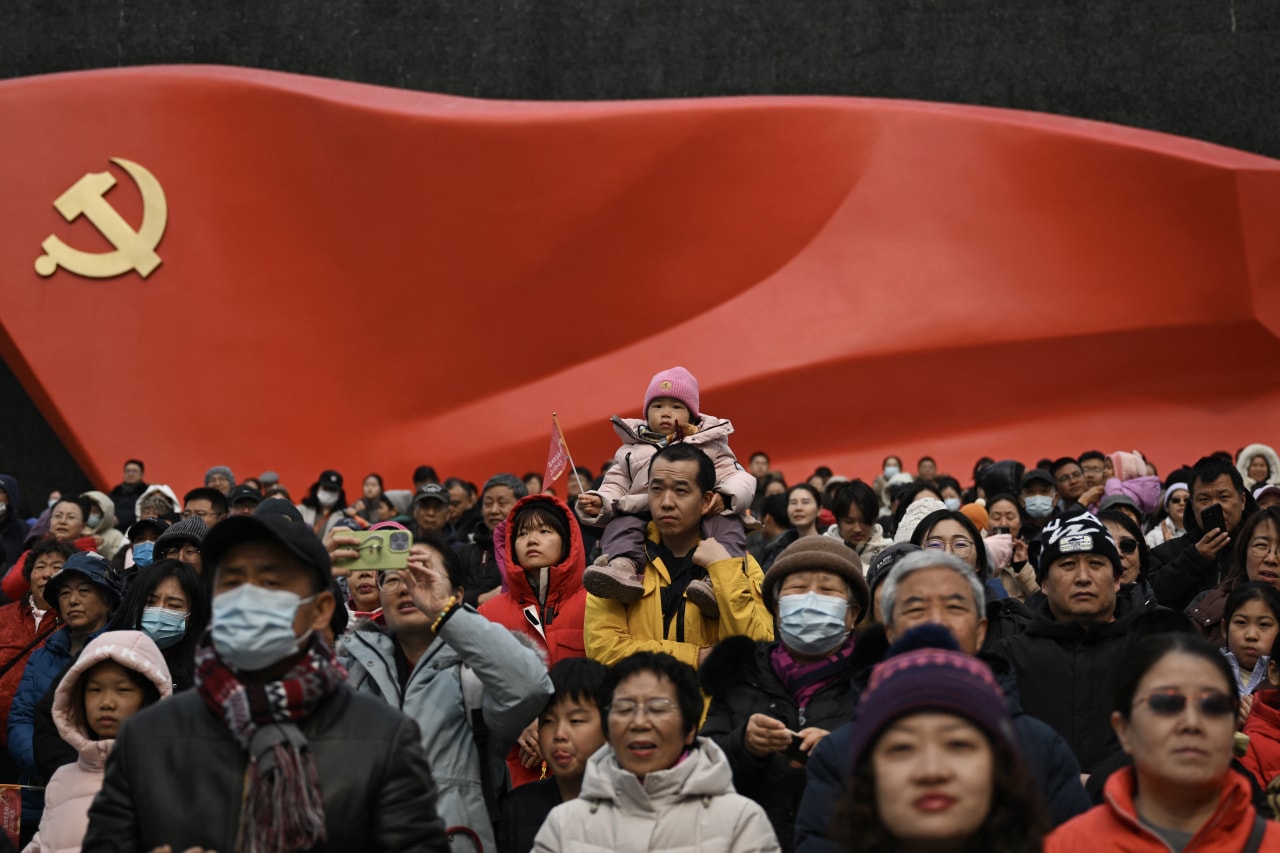
The upcoming session of the National People’s Congress, scheduled for March 5, 2024, is poised to unveil a comprehensive five-year economic blueprint aimed at transforming China into a leading technological superpower. This initiative reflects the country’s strategic focus on enhancing its technological capabilities and global competitiveness.
During this critical gathering, representatives will debate and likely endorse the economic plan, which emphasizes innovation and self-sufficiency in key sectors such as artificial intelligence, semiconductors, and renewable energy. The intention is to reduce dependency on foreign technology and bolster domestic industries.
The proposed economic framework aligns with the goals set forth by the Central Committee of the Communist Party of China. It aims to promote advancements in research and development while fostering a robust environment for startups and established companies alike. As part of this strategy, the government is expected to increase funding for technology initiatives and incentivize private investment in high-tech sectors.
Strategic Goals and Global Positioning
The five-year plan will outline specific targets for economic growth, technological advancement, and job creation. Analysts predict that the government’s focus on technological innovation will not only enhance China’s position in the global market but also drive economic growth domestically. By prioritizing sectors such as biotechnology and advanced manufacturing, China hopes to cultivate a more resilient economy less vulnerable to international market fluctuations.
The plan is also expected to address environmental sustainability, promoting green technologies and practices as part of the country’s long-term commitment to combat climate change. This dual focus on technological prowess and sustainability reflects a broader recognition of the importance of balancing economic development with environmental responsibility.
As the National People’s Congress convenes, international observers will be keenly watching for any changes in policy direction that could impact global trade dynamics. China’s push for technological supremacy may lead to increased competition with other major economies, particularly in sectors deemed crucial for future economic stability.
Implications for Domestic and International Markets
Approval of the five-year plan could have significant ramifications for both domestic and international markets. Domestic investors may respond positively to the government’s commitment to innovation, potentially driving stock prices in technology sectors higher. Additionally, foreign investors may view China’s renewed focus on technology as an opportunity to engage in partnerships or explore new market avenues.
However, the plan also raises questions regarding the global response, particularly from nations concerned about China’s growing influence in technology. Countries may reconsider their own technological strategies and partnerships in light of China’s ambitions, which could lead to a reshaping of global supply chains.
In summary, the National People’s Congress is set to play a pivotal role in outlining China’s economic future. The anticipated approval of the five-year economic blueprint will mark a significant step towards realizing the nation’s aspirations of becoming a technological superpower while addressing the challenges of sustainability and global competition. As the world watches, the outcomes of these discussions will undoubtedly resonate beyond China’s borders, influencing international economic landscapes for years to come.