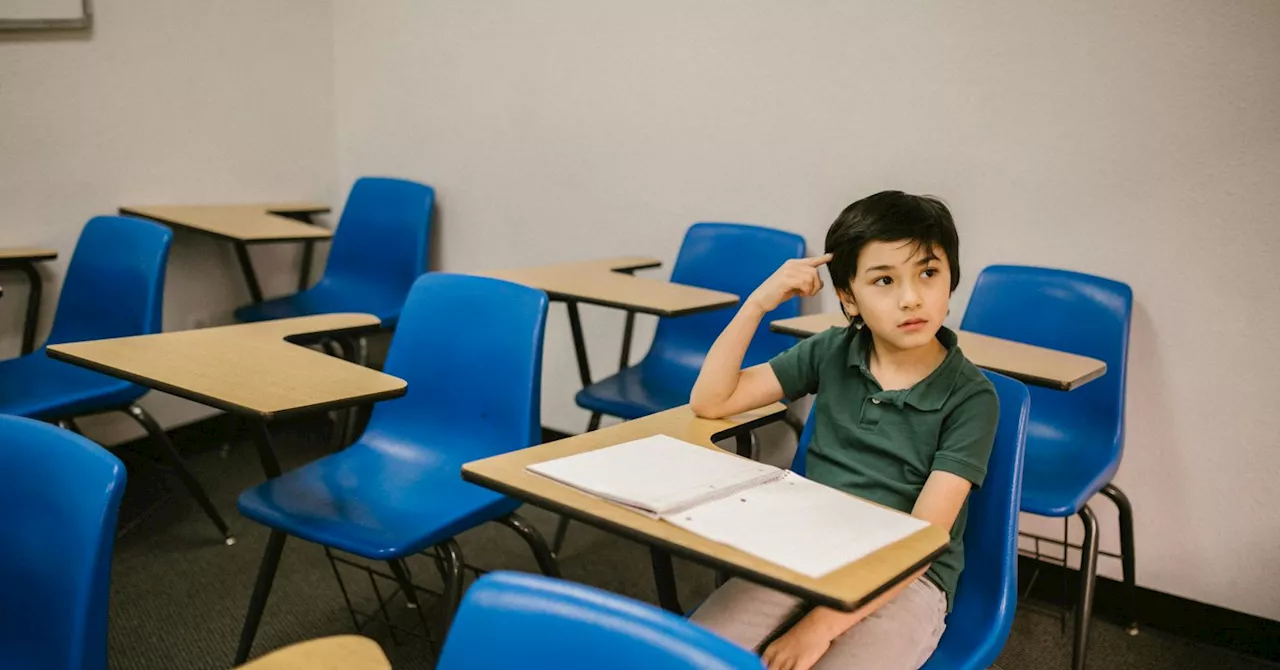
Understanding the interplay between environment, stress, and learning is crucial for educators and parents alike. Recent insights reveal that a child’s ability to focus and engage in learning is significantly influenced by their nervous system’s regulation, rather than solely by willpower. This regulation serves as a precondition for effective learning.
At the core of this understanding is the concept of the “window of tolerance,” a term popularized by neuroscientist Dan Siegel. This framework illustrates that each individual has an optimal range in which they can think, focus, connect, and learn. Within this window, the brain functions effectively, processing information and forming new memories. When individuals are pushed beyond this range, the brain prioritizes survival over learning, leading to what Siegel describes as “flipping your lid.” In such states of heightened stress, cognitive functions like reasoning and impulse control diminish, drastically impacting a person’s ability to learn.
Classrooms often illustrate this dynamic. Teachers may find themselves frustrated when traditional methods—reasoning, reminders, or consequences—fail to elicit the desired response from students experiencing overwhelm. Research indicates that when individuals are outside their window of tolerance, learning becomes significantly less accessible. This reduced access is not a matter of choice or effort; it stems from biological responses to stress.
Certain factors contribute to narrowing an individual’s window of tolerance. Chronic stress, illness, lack of sleep, and neurodivergence can all lead to a diminished capacity to handle stimulation or stress. It is essential to note that this is not indicative of a character flaw but rather a response influenced by various external and internal factors.
Environmental Influences on Learning
The environments in which individuals learn play a pivotal role in shaping their capacity for engagement. As observed by Erin Peavey, an architect and design researcher at HKS, the design of learning spaces can either facilitate or hinder a child’s ability to focus. Factors such as noise, unpredictability, visual clutter, and frequent transitions can overwhelm the nervous system, demanding energy that could otherwise be spent on learning.
Reflecting on personal experiences, Peavey recalls moments from her own education. The chaotic sounds of certain classrooms often made it difficult for her to concentrate. In contrast, outdoor spaces provided an environment that felt less demanding, allowing her to engage more fully with her curiosity. This personal narrative underscores the broader principle that the conditions surrounding learners are just as important as their internal states.
Effective learning environments are those that prioritize regulation. When individuals feel safe and supported, they are more likely to engage deeply with learning materials. Conversely, when they are in environments that provoke stress or anxiety, motivation and discipline alone are not sufficient to foster learning.
Understanding the significance of environmental factors does not imply lowering expectations for learners. Instead, it allows educators and parents to set realistic expectations based on the conditions at play. Recognizing that regulation shapes what is possible emphasizes the importance of creating supportive environments that facilitate learning.
Considering the implications of this understanding raises critical questions about the environments we design and occupy. How can we better tailor these settings to support learning? What would it mean to take these factors seriously in educational contexts?
Research published in March 2021 in the journal Mind Brain Education highlights the connection between stress and learning in pupils. This research serves as a reminder of the significant role that environmental design plays in shaping the conditions under which learning can thrive. As the educational landscape continues to evolve, prioritizing the well-being of students through thoughtful design and environment will be essential in fostering effective learning experiences.