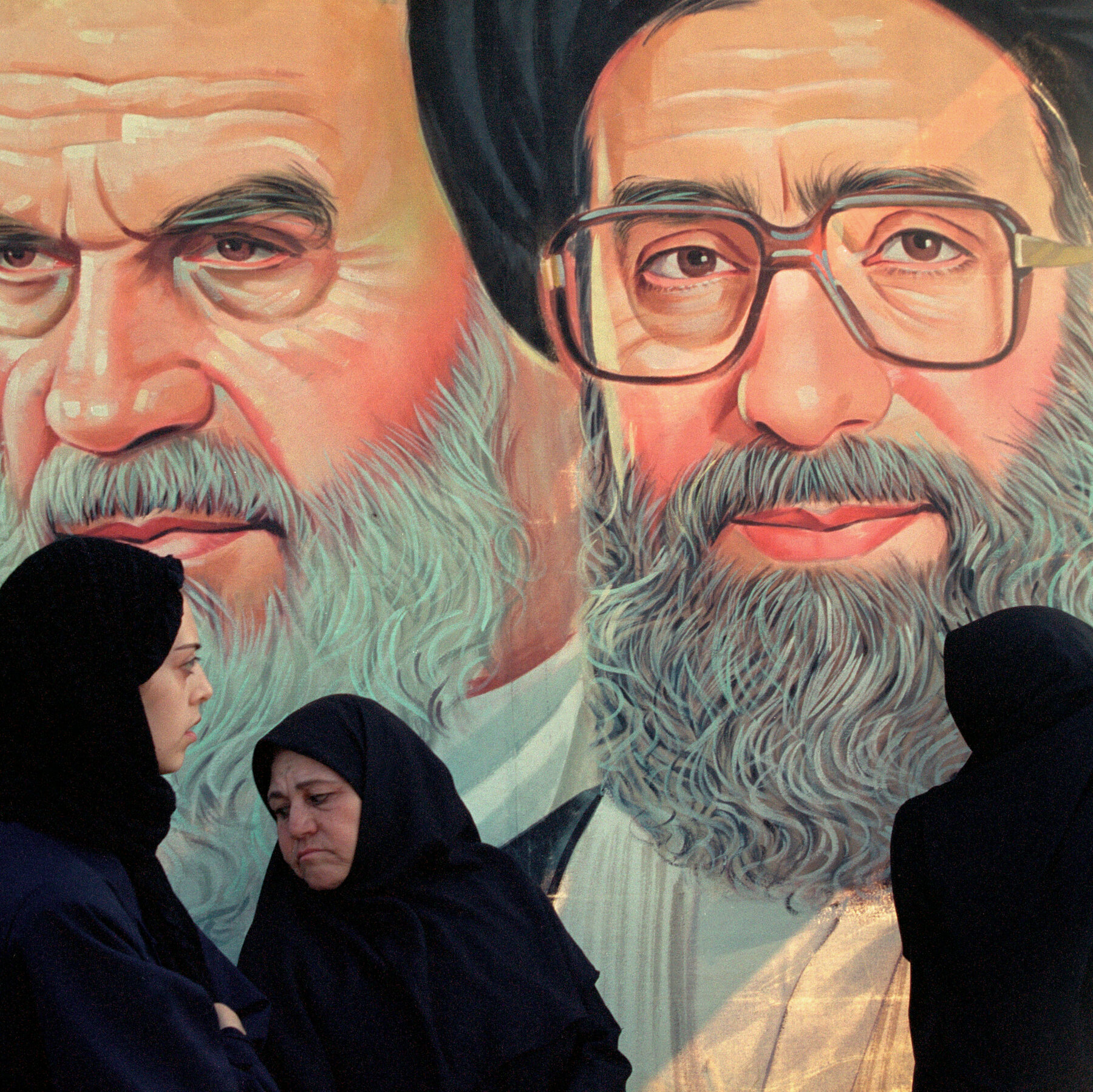
The death of Ayatollah Ali Khamenei, Iran’s Supreme Leader, has sent shockwaves throughout the nation and the world. Khamenei, who had been in power since 1989, passed away on September 19, 2023, leaving a power vacuum that raises questions about the future of Iran’s leadership and its political landscape.
Khamenei’s tenure was marked by a strict adherence to the principles of the Islamic Republic, and his death marks a significant turning point in Iran’s political journey. As the highest-ranking official, Khamenei wielded considerable influence over both domestic and international affairs, shaping the country’s policies for decades. His leadership style was characterized by a focus on preserving the Islamic Revolution’s ideals, often at the expense of reform and engagement with the West.
Implications for Iran’s Leadership
Khamenei’s passing has triggered speculation regarding his successor and the direction the Revolutionary Guard and government will take in the coming months. The Supreme Leader’s role is pivotal, as it encompasses authority over the military, judiciary, and foreign policy. With no clear heir apparent, various factions within Iran’s political system may vie for control, potentially leading to internal power struggles.
The Islamic Republic has faced increasing pressure from both its own population and external forces. Protests against the regime have surged in recent years, particularly following the death of Mahsa Amini in September 2022. Khamenei’s death may embolden reformist elements within the country, who advocate for a more open and democratic political landscape.
International Reactions and Concerns
The global response to Khamenei’s death has been swift, with leaders from various nations expressing a mix of caution and hope. Analysts are closely monitoring how this transition may affect Iran’s nuclear program and its relationships with Western countries. For instance, negotiations regarding the Joint Comprehensive Plan of Action (JCPOA) could be impacted, depending on the stance of the new leadership.
In a statement, a spokesperson for the United Nations emphasized the need for stability in the region, urging all parties to engage in dialogue. Diplomatic efforts will be crucial as the world watches how Iran navigates this period of uncertainty.
As Iran moves forward, the question remains whether a new leader will continue Khamenei’s policies or chart a new course. The nation stands at a crossroads, with the potential for significant change on the horizon. The legacy of Khamenei looms large, but the future of Iran may ultimately depend on the choices made by his successors in the coming weeks and months.