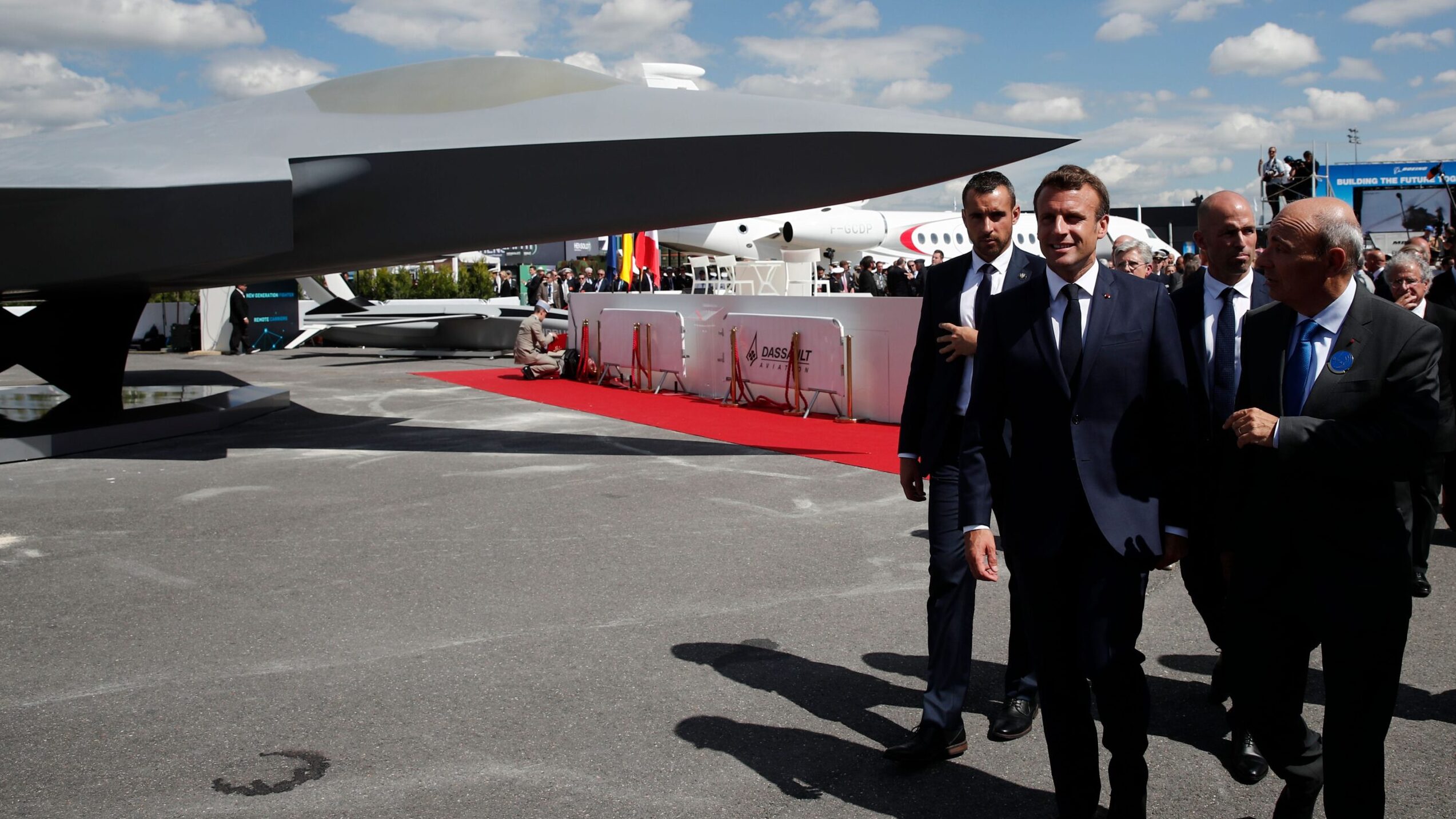
The Future Combat Air System (FCAS) project faces an uncertain future, according to Eric Trappier, CEO of Dassault Aviation. During a press conference in Paris, Trappier stated that if ongoing disputes with Airbus remain unresolved, the ambitious joint program involving France and Germany is effectively “dead.” He emphasized the importance of collaboration within the project, indicating that the French authorities must seek alternative partners if necessary.
Trappier’s comments come amid escalating tensions with Airbus, particularly over leadership roles within the FCAS initiative. He asserted, “If Airbus maintains its position of not wanting to work with Dassault, then the project is dead.” This statement underscores the critical nature of cooperation between the two aerospace giants to ensure the program’s viability.
Challenges in Collaboration
The FCAS program has been plagued by disagreements, notably regarding the roles each company plays. Trappier clarified that while Dassault has established strong partnerships with Germany, it is Airbus that has deviated from the initial agreement. According to Trappier, the original contract encompassed the development of not only the next-generation fighter jet, known as the Next Generation Fighter (NGF), but also associated drone systems and a “combat cloud” for communication.
He expressed concern that the collaborative framework is not functioning effectively. “Dassault believes that in order to be efficient, there must be a real leader who decides on the forms of the aircraft,” he explained. Trappier’s insistence on a singular leadership approach reflects broader frustrations within the industry about shared responsibilities in complex projects.
In a recent statement, German Chancellor Friedrich Merz suggested that Berlin may require different capabilities than those proposed by Paris, indicating a potential shift in priorities within the FCAS framework. Trappier responded to this by reaffirming that operational requirements between France and Germany are aligned, dismissing the notion that two separate aircraft should be developed.
French Leadership in Defense Initiatives
The sentiment for a unified European defense strategy was echoed by French President Emmanuel Macron, who emphasized the need for a common model during a trip to India for defense discussions. Macron stated, “Is it the best use of our money to develop several planes? We must have a European standard.” His comments highlight a growing concern regarding the allocation of resources within European defense initiatives.
Despite the turmoil surrounding FCAS, Dassault’s financial health remains robust. The company announced a nearly 27 percent increase in value since the beginning of the year, indicating that while the FCAS program struggles, Dassault continues to thrive independently.
Airbus has chosen not to comment publicly on the ongoing disputes, though past statements from Jean-Brice Dumont, head of air power at Airbus Defence and Space, acknowledged existing tensions while affirming the company’s commitment to FCAS. Dumont noted that it may be too late for Airbus to pivot to the rival Global Combat Air Program (GCAP), a joint initiative involving the UK, Italy, and Japan.
Industry experts, such as Paul Taylor, a senior visiting fellow at the European Policy Centre, have indicated that the FCAS project may not be as viable as once thought. “It’s been clear for a year or two that FCAS is dead; it just won’t lie down because it’s a political project,” he remarked, reflecting broader skepticism about the program’s future.
As the situation develops, it remains crucial for both Dassault and Airbus to address their differences. The future of the FCAS program hinges on a collaborative approach to overcome current challenges and align their respective visions for a next-generation European fighter jet.