Research conducted by a collaborative team from University Hospitals, Case Western Reserve University, and the Louis Stokes Cleveland VA Medical Center has identified an experimental drug that may safeguard the brain from the adverse effects of whole brain radiotherapy. This treatment is often necessary for patients with cancer that has metastasized to the brain, yet it can lead to significant cognitive impairments and mental health issues.
Understanding the Impact of Whole Brain Radiotherapy
Whole brain radiotherapy, while effective in extending lives, unfortunately contributes to long-term brain damage in patients. Common side effects include memory loss, difficulty in cognitive functions, and increased rates of depression. The research team, based at the Pieper Laboratory at the Harrington Discovery Institute, aims to explore ways to mitigate these issues. Their findings were recently published in the journal Redox Biology.
Led by Dr. Andrew Pieper, the chair of neuropsychiatry at University Hospitals and director of the Brain Health Medicines Center, this study explores the potential of the drug P7C3-A20. If successful in humans, this drug could maintain cognitive function and emotional well-being without impeding the effectiveness of cancer treatment.
Research Findings and Future Directions
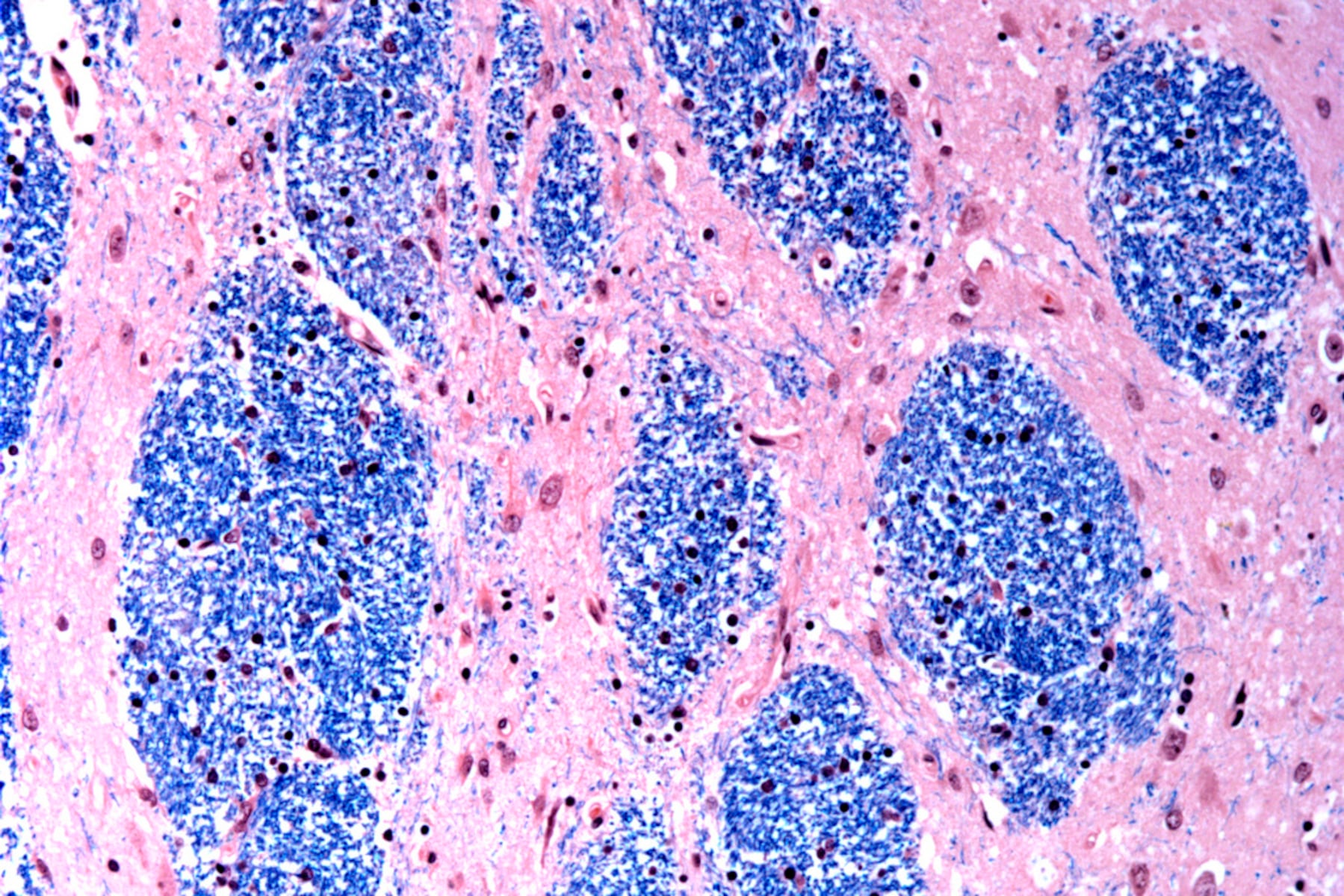
In their animal model study, researchers observed that whole brain radiotherapy had a pronounced effect on the hippocampus, a critical region responsible for learning, memory, and mood regulation. The damage caused by radiotherapy resulted in persistent memory deficits and behaviors indicative of depression lasting up to a year.
“Daily treatment with P7C3-A20 prevented hippocampal damage, as well as cognitive impairment and depression-like activity in the mice,” said Edwin Vázquez-Rosa, assistant professor of psychiatry in the Pieper Lab and lead author of the study.
This promising outcome leads to further research phases, which will include testing the drug under various radiation schedules and doses. Researchers are also focused on identifying the most effective timing for administration following whole brain radiotherapy.
As the study progresses, the implications for clinical practice could be substantial, offering hope not only for improved quality of life for cancer patients but also for advancements in understanding brain protection during radiation therapy.