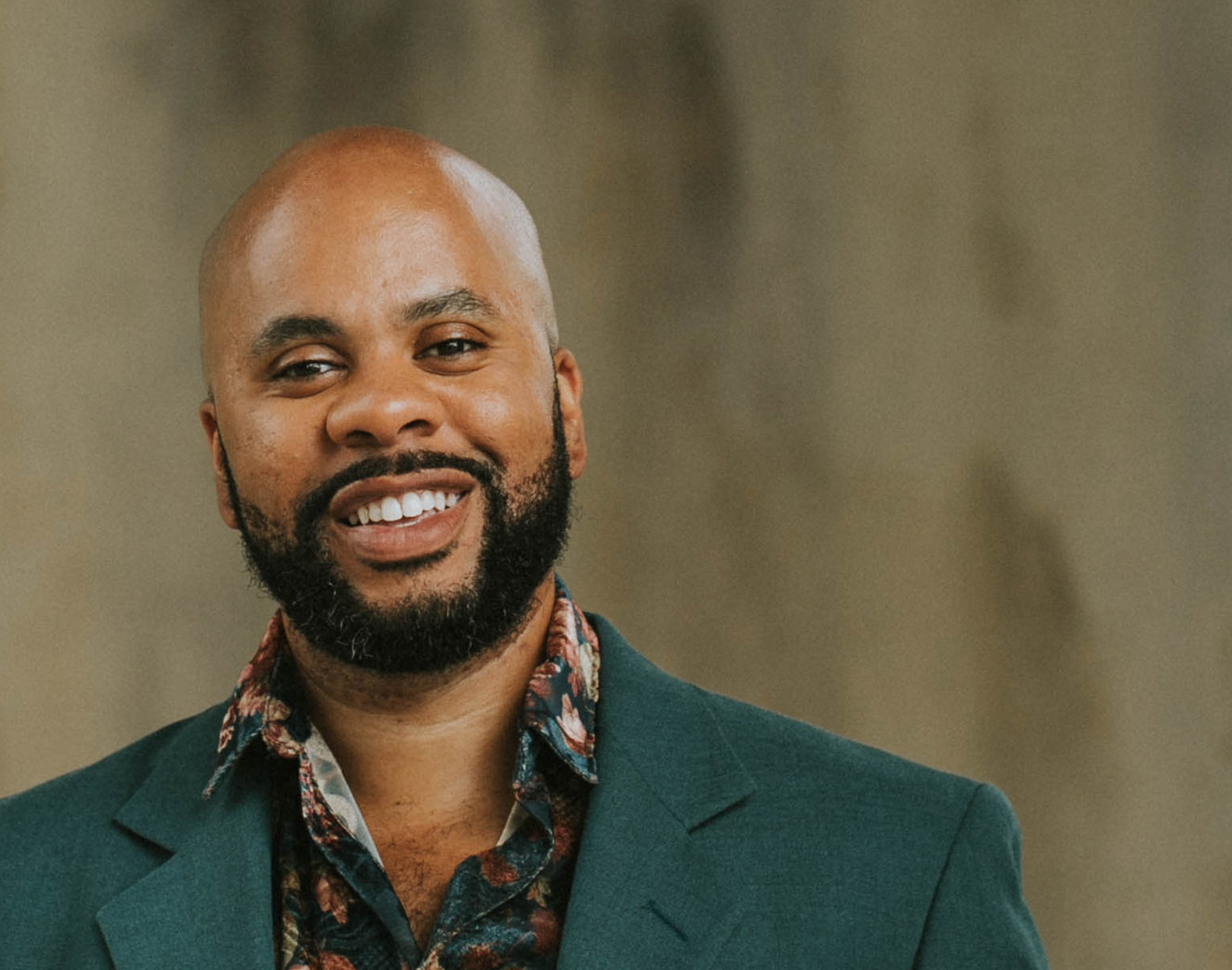
Former Acting Drug Enforcement Administration (DEA) Administrator Derek Maltz has described the current battle against drug cartels as unprecedented, coinciding with President Donald Trump’s recent vow to utilize “lethal military force” against these organizations. Speaking on “Fox & Friends Weekend,” Maltz emphasized the urgency of moving from a defensive to an offensive stance in combating narco-trafficking.
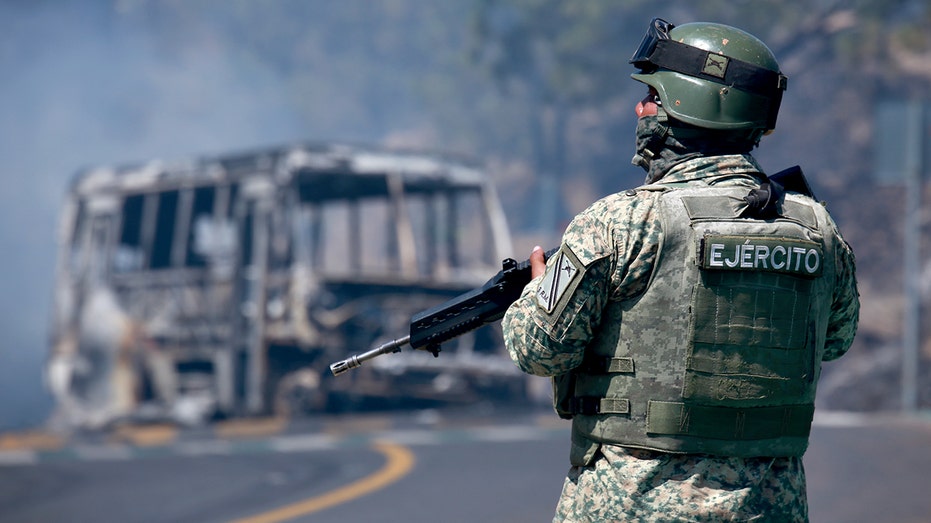
Maltz’s remarks follow Trump’s announcement at a summit in Doral, Florida, where he discussed forming a coalition with 13 Latin American nations to tackle issues related to drug trafficking and illegal immigration. “The heart of our agreement is a commitment to using lethal military force to destroy the sinister cartels and terrorist networks,” Trump stated, highlighting his administration’s aggressive approach.
During his comments, Trump proposed the use of missiles to target cartel leaders, asserting their precision: “If you want us to use a missile, they’re extremely accurate… Right into the living room, and that’s the end of that cartel person.” This statement underscores the administration’s intent to escalate efforts against drug traffickers.
Maltz supported Trump’s approach, noting that cooperation among Latin American countries in combating cartels is growing. He pointed to Colombia as a significant player, recalling the country’s ongoing issues with cocaine production. “We have to be offensive, and we have to go after these threats like we’ve never done before,” he declared.
The intensified focus on drug enforcement comes amid notable seizures in the United States. In September 2023, the DEA in Atlanta confiscated over 1,000 pounds of methamphetamine linked to the Jalisco New Generation cartel. Maltz highlighted recent achievements, including the seizure of 628,000 carfentanil pills in California, a substance significantly more potent than fentanyl.
Recent statistics reveal record-breaking amounts of methamphetamine confiscated across multiple states, including 2,700 pounds in California and significant quantities in Washington and Georgia. “We’re on track now because we’re using law enforcement domestically to decimate these cartels,” he stated, reinforcing the message that the current strategy is yielding results.
Maltz praised the Trump administration’s leadership in this area, asserting that it represents a shift toward prioritizing life over the operations of drug cartels. “The cartels and our adversaries deal in death, but this administration fights for lives. That message is clear to the world,” he noted.
As the coalition of nations forms, it remains to be seen how these strategies will unfold and whether military involvement will truly alter the landscape of drug trafficking in the Americas. The implications of Trump’s proposal could shape the future of U.S. foreign policy and law enforcement efforts in the region.