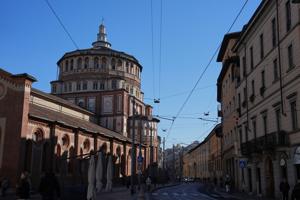
The Dominican friars at the convent of Santa Maria delle Grazie in Milan continue to live and pray in the historic space that houses Leonardo da Vinci’s masterpiece, “The Last Supper.” While the refectory has become a major tourist attraction, drawing thousands of visitors each year, the friars maintain their spiritual practices and hospitality, embodying a lifestyle that has persisted for centuries.
Founded in the late 15th century, the convent has a rich history intertwined with both art and religion. Despite the influx of tourists eager to see one of the world’s most celebrated artworks, the friars prioritize their religious duties. They offer daily prayers and lead spiritual retreats, ensuring that the convent remains a place of worship.
Balancing Heritage with Modernity
The friars play a crucial role in bridging the past with the present. Each year, approximately 500,000 visitors come to admire “The Last Supper,” which is located on the wall of the convent’s dining hall. Though many come for the artwork, the friars emphasize the importance of the convent’s spiritual heritage. Their presence serves as a reminder that this site is not just a museum but a sanctuary.
Brother Giovanni, one of the friars, expresses pride in their dual role. “We welcome visitors not only to see the art but also to experience the peace and tranquility of our community,” he explains. The friars conduct guided tours that include explanations of the painting’s significance, as well as insights into the convent’s history.
A UNESCO World Heritage Site
Recognized as a UNESCO World Heritage Site, Santa Maria delle Grazie is celebrated for its architectural beauty and historical importance. The convent has faced challenges, including damage during World War II, yet it has retained its essence, thanks in part to the ongoing dedication of the friars.
In recent years, the Dominican community has implemented measures to enhance visitor experience while preserving the sanctity of their space. They have introduced timed entry tickets, allowing for a more controlled flow of visitors. This initiative not only reduces overcrowding but also provides a more contemplative environment for those wishing to connect with the site’s spiritual legacy.
The friars also engage with the local community, hosting various events that promote dialogue and understanding about faith and art. Their efforts have fostered a deeper appreciation for both the historical and spiritual dimensions of Santa Maria delle Grazie.
In an era where cultural heritage sites often prioritize tourism over authenticity, the Dominican friars at Santa Maria delle Grazie exemplify a model of coexistence. They demonstrate that it is possible to honor the past while embracing the future, ensuring that both art lovers and the faithful can find meaning within the walls of this iconic convent.