President Donald Trump is facing increasing scrutiny over his military strategy in Iran as financial instability begins to impact American households. While Trump asserts that “everything Iran had is gone,” the ongoing conflict raises pressing questions about the potential costs to everyday citizens. The Pentagon has released video footage of airstrikes targeting Iranian assets, but the American public is concerned about the economic repercussions of this military engagement.
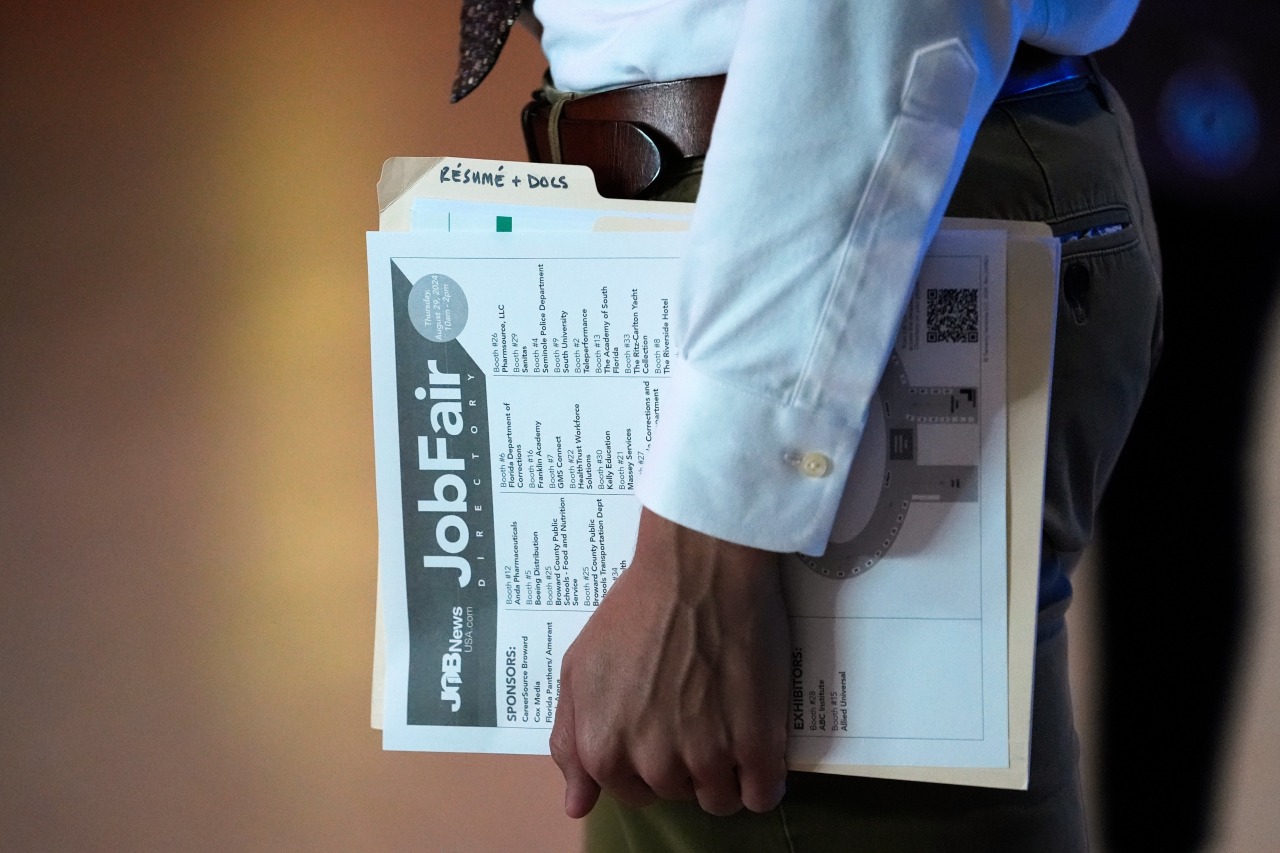
The toll on the economy is evident. Stock markets are experiencing significant declines, with the Dow Jones showing volatility in response to the conflict. Oil prices have surged, creating further strain on consumers already facing rising costs. This economic turmoil is compounded by a decrease in job stability, leading to an atmosphere of uncertainty that threatens Trump’s political ambitions.
Shifting Rationale Behind Military Actions
The rationale for the military actions against Iran appears to be evolving. Initially framed as a preventative measure against nuclear proliferation, the narrative has shifted to one of regime change. Pete Hegseth, a prominent media figure, has indicated that the goal is not merely to dismantle Iran’s nuclear capabilities but to facilitate the removal of Ayatollah Ali Khamenei and his associates from power. This contradicts earlier statements from Trump suggesting a more limited military objective.
Despite the claims of military success, the lack of a clear communication strategy from the administration has left many Americans feeling blindsided. The absence of a prime-time address to support the war effort has contributed to a perception that the nation is engaged in conflict without public endorsement or understanding.
The economic implications of prolonged military engagement are significant. As gas prices rise and consumer confidence wanes, the administration faces mounting pressure to justify its actions. Trump has stated that “short-term oil prices, which will drop rapidly when the destruction of the Iran nuclear threat is over, is a very small price to pay for U.S.A., and World, Safety and Peace,” emphasizing a long-term vision despite immediate financial pain.
Political Divisions and International Implications
The conflict has also exacerbated existing divisions within the political landscape. Kamala Harris, former Vice President, has criticized Trump for leading the nation into an unwanted war, a stark contrast to his previous stance as the “America First” candidate. The political fallout from casualties, including the seven American service members lost so far, has led to accusations from both sides of the aisle regarding the handling of military operations.
Internationally, the situation remains precarious. The Strait of Hormuz, a critical chokepoint for global oil shipments, has seen a reduction in production from other Arab nations due to fears of further escalation. Russia’s involvement in the conflict has also drawn attention, with reports suggesting the Kremlin is actively supporting Iran against U.S. forces.
The media landscape is not immune to the conflict’s repercussions. Hegseth has suggested that coverage of American casualties aims to undermine Trump’s image. However, journalism serves to honor those lost in battle, regardless of the administration in power. The reality of war impacts families and communities, making the reporting of casualties a necessary component of accountability.
As the conflict continues, the potential for a protracted engagement reminiscent of past conflicts looms large. The possibility of an Iraq-style quagmire weighs heavily on the minds of policymakers and citizens alike. The administration’s ability to navigate these turbulent waters will be crucial in determining the future of U.S.-Iran relations and its domestic political landscape.
In summary, Trump’s war on Iran is at a critical juncture. The interplay between military objectives, economic realities, and political ramifications will shape the discourse in the coming months. As the American public grapples with the implications of this conflict, the question remains: how high a price are they willing to pay for this war?