Operation Epic Fury has sparked significant discussion regarding the implications of military intervention in Iran, particularly in the context of regime change. Analysts are now evaluating the potential consequences of this operation on Tehran’s political landscape and the broader Middle Eastern region.
The operation, which took place in October 2023, aimed to destabilize the current Iranian government. While the immediate tactical objectives may have been achieved, the long-term implications of such actions remain contentious. Critics of military intervention often point to past neoconservative endeavors, which have frequently ended in turmoil and further conflict.
The aftermath of Operation Epic Fury has highlighted a divide in political discourse regarding the efficacy of using military force to alter foreign governments. Many argue that attempts to replace regimes can lead to unintended consequences, including increased instability and humanitarian crises. These concerns echo lessons learned from previous interventions in Iraq and Libya, where initial military successes were followed by protracted chaos.
Supporters of the operation assert that it is necessary to confront regimes that threaten regional stability and international security. They argue that a change in leadership could pave the way for a more democratic and peaceful Iran. However, the question remains: at what cost does this pursuit of regime change come?
The conversation surrounding Operation Epic Fury is not just confined to military strategy; it also touches on the ethical considerations of intervention. The principle of sovereignty is a key point of contention. Many nations emphasize the importance of respecting a country’s right to self-determination, while others argue that intervention is justified when human rights violations occur.
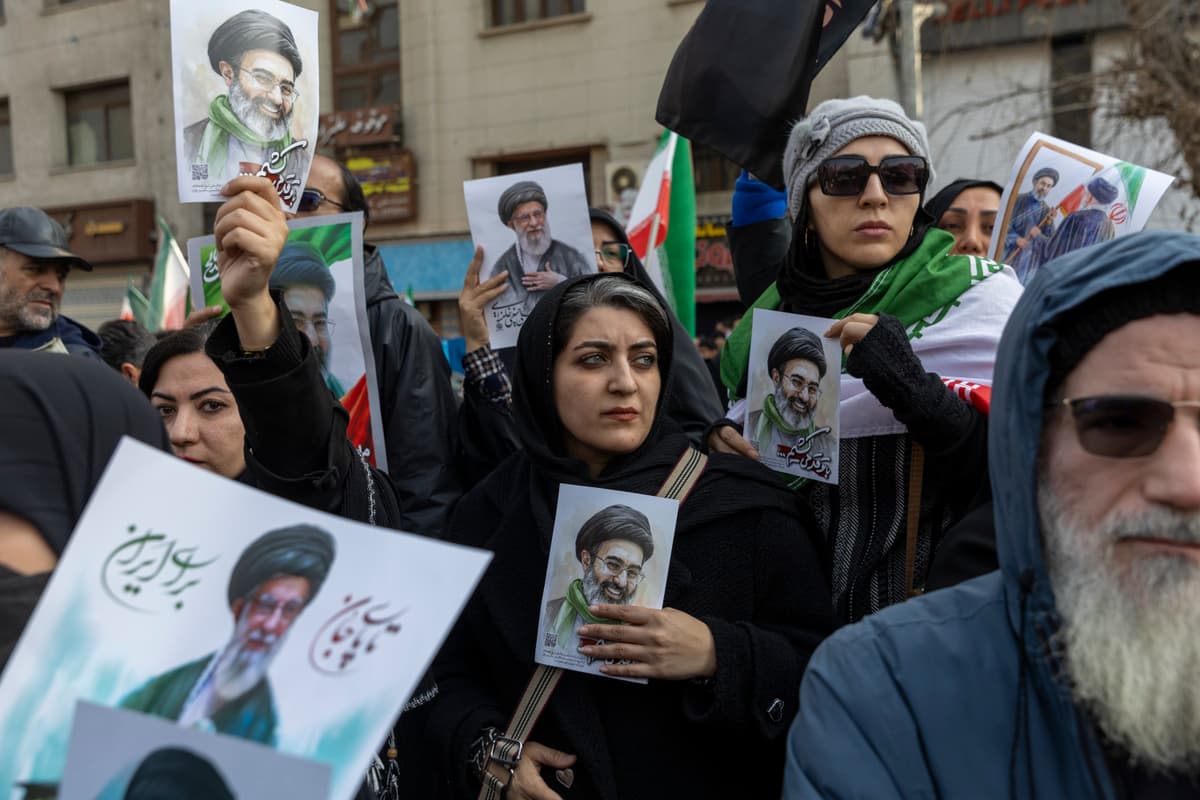
As discussions unfold, the impact of Operation Epic Fury on Iran’s domestic situation is being closely monitored. The potential for civil unrest following military actions raises concerns about the civilian population’s safety. Reports indicate that the Iranian government is tightening its grip on power, which could lead to increased repression against dissent.
International reactions have also varied. Some countries have condemned the operation, calling for diplomatic solutions rather than military ones. Others have expressed support, viewing it as a necessary step to curb Iranian influence in the region.
In the coming months, the consequences of Operation Epic Fury will continue to shape international relations and influence discussions on military intervention. The dialogue surrounding regime change in Iran remains complex, with significant implications for the future of both the nation and its neighbors. As analysts and policymakers assess the situation, the lessons from past interventions will undoubtedly inform ongoing debates about the role of military power in achieving political objectives.