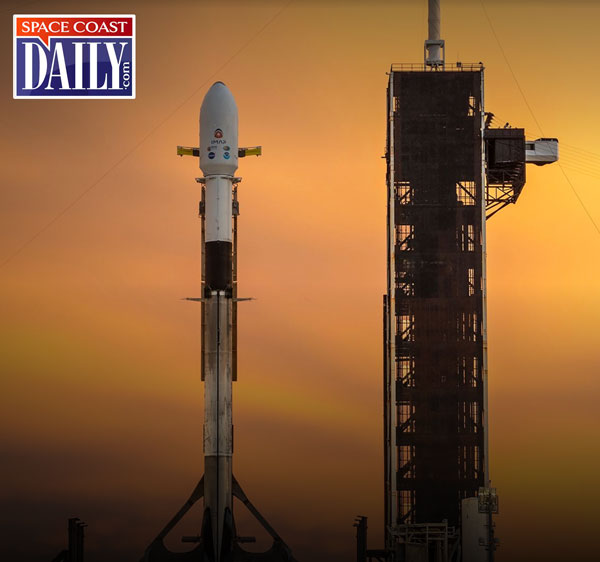
SpaceX is scheduled to launch 29 Starlink satellites into low-Earth orbit on Tuesday evening, with the launch window opening at 18:26 ET. The Falcon 9 rocket will lift off from Space Launch Complex 40 (SLC-40) at Cape Canaveral Space Force Station in Florida. This mission marks an important step in SpaceX’s ongoing efforts to expand its satellite internet service.
The Falcon 9’s first stage booster, designated for this mission, will be making its 11th flight. This booster has a proven track record, having previously supported missions that include SES O3b mPOWER-E, Crew-10, Bandwagon-3, mPOWER-D, CRS-33, and five other Starlink launches. Following the separation of stages during the launch, the booster will land on the droneship named A Shortfall of Gravitas, which will be stationed in the Atlantic Ocean.
Coverage and Viewing Options
Viewers can catch the live coverage of the launch on Space Coast Daily TV, providing an opportunity for space enthusiasts and the general public to witness the event in real time. This launch is part of SpaceX’s broader plan to enhance global internet access through its Starlink project, which aims to provide high-speed internet to underserved areas.
The successful deployment of these satellites will contribute to the growing constellation of Starlink satellites already in orbit. As of now, SpaceX has launched thousands of satellites, and this latest mission further demonstrates the company’s commitment to expanding its capabilities in satellite internet technology.
As the launch approaches, SpaceX continues to prepare for a smooth operation. The company has become known for its rapid launch cadence and reusable rocket technology, which has significantly reduced the cost of access to space. With the Falcon 9, SpaceX aims not only to launch satellites but to redefine the possibilities of space transportation and its applications.
The upcoming launch serves as a reminder of the rapid advancements in aerospace technology and the increasing role that private companies like SpaceX play in shaping the future of space exploration and utilization.