A cancer researcher has taken an unconventional approach to vaccine development by brewing a beer that induces immunity against the BK virus, a type of human polyomavirus. Christopher Buck, who works at the National Cancer Institute, argues that home-brewing vaccines could provide an alternative to the lengthy approval process mandated by authorities such as the Food and Drug Administration (FDA).
Buck’s innovative method aligns him with a historic lineage of self-experimenters in vaccine research. Notable figures include Charles Jules Henri Nicolle, who inoculated himself against typhus, and Jonas Salk, who tested his polio vaccine on himself. In a more recent endeavor, researchers at Harvard developed and self-administered a DIY nasal vaccine for COVID-19 at the onset of the pandemic in 2020. Buck’s work may represent a new frontier in the production of edible vaccines.
Buck, who has identified four of the thirteen polyomaviruses known to infect humans, has focused his research on preventing organ transplant rejections associated with polyomavirus infections. Although the BK virus is typically harmless to individuals with robust immune systems, it can reactivate in transplant patients, leading to severe complications. His vaccine aims to mitigate these outcomes.
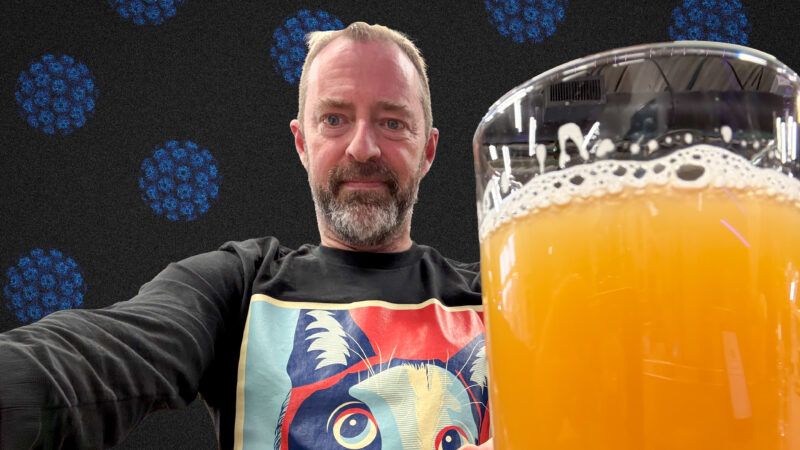
To create his vaccine, Buck engineered brewer’s yeast to produce a protein that encapsulates the BK virus. He then brewed a Flash Hefeweizen beer, incorporating hop tea made from Saphir hop pellets. Over the course of four days, Buck consumed one to two pints daily, followed by booster doses after five days at intervals. He conducted regular blood tests and reported no adverse effects. He noted, “It was one of the best homebrews I ever made.”
In a self-reported experiment with a single subject, Buck observed that his immune system generated antibodies against various strains of the BK polyomavirus. He expressed optimism about the implications of his findings, suggesting they could pave the way for the rapid development of inexpensive vaccines.
Buck’s approach benefits from the fact that the ingredients in his beer are common in the food supply and meet the FDA’s definition of “generally regarded as safe.” To clarify that he is pursuing this project as a private citizen rather than in his professional capacity, Buck founded the Gusteau Research Corporation, a nonprofit organization with him as the sole employee. His brother established Remy LLC to market food-grade engineered yeast products, both inspired by the film Ratatouille, which features the motto, “Anyone can cook.”
Vaccines have historically been a cornerstone of public health, saving an estimated 154 million lives since 1974. However, Buck noted a growing skepticism towards traditional vaccines in the United States, prompting some policymakers to restrict access. He believes that simplifying the process of developing food-based vaccines could empower individuals and restore autonomy in health decisions.
Buck is calling on fellow scientists to investigate whether his polyomavirus vaccine can serve as a model for creating edible vaccines against other viral threats, such as bird flu and emerging COVID-19 variants. He encourages researchers to embrace the spirit of culinary creativity, echoing his Pixar inspiration: “Anyone can cook—but only the fearless can be great.”