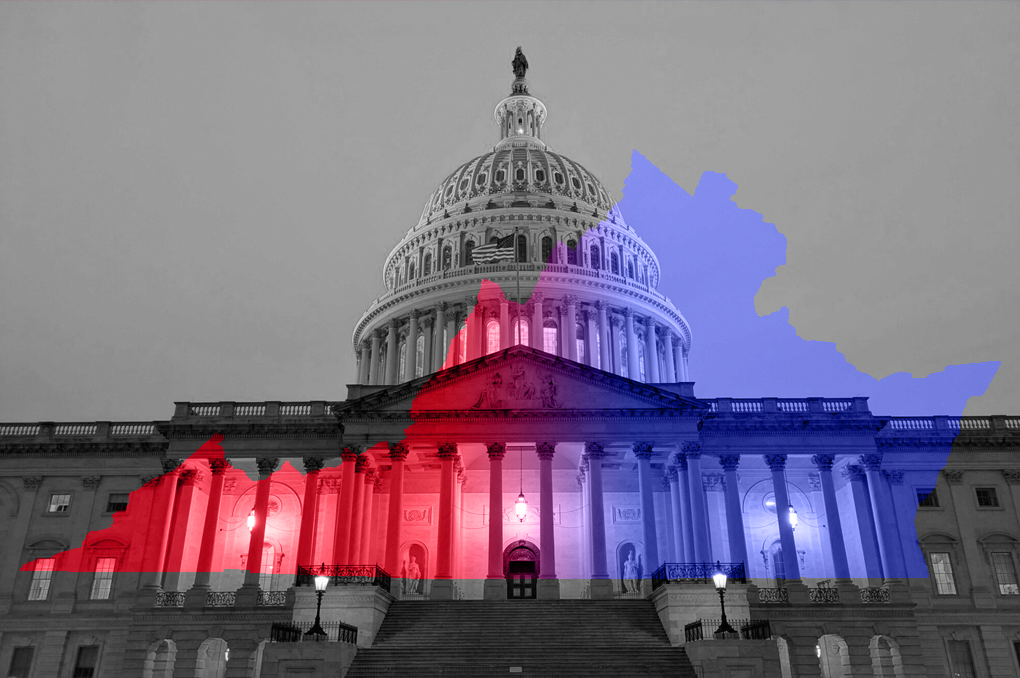
Virginia voters head to the polls today to decide on a high-stakes constitutional amendment that could reshape the state’s congressional districts ahead of the 2026 midterm elections. After months of intense legal battles and political conflict, Virginians will decide whether to authorize mid-decade redistricting — a move that promises to dramatically shift the state’s political landscape if approved.
The April 21 referendum imposes a one-time exception to Virginia’s current redistricting law, which relies on a bipartisan commission and happens once every decade based on census data. This amendment would empower the General Assembly to approve new congressional maps retroactively in response to similar mid-decade redistricting moves in other states, mostly led by Republican legislatures.
High Stakes Vote Amid Legal Showdowns
The amendment process has faced multiple court challenges, including attempts to remove or revise the ballot language, which critics argue misleads voters by calling the amendment a way to “restore fairness.” Nevertheless, the Virginia Supreme Court allowed the referendum to remain on the ballot, deferring the final decision to Virginia’s voters.
Polling and early voting have demonstrated strong engagement, with initial turnout surging in Republican-leaning areas and picking up later in heavily Democratic Northern Virginia. Polls close at 7 p.m. ET today, and election officials expect significant in-person turnout after early voting closed on Saturday.
What’s at Risk? A Massive Political Shift
If the amendment passes, Virginia’s congressional map would be redrawn before the 2026 elections, moving from a narrow 6-5 Democratic advantage to a staggering 10-1 majority. Under the proposed redistricting plan, most Republican voters would be concentrated into a single district in Southwest Virginia, while Democrats gain advantage elsewhere.
This potential shift has national implications as both parties eye control of Congress in upcoming federal elections. Democrats argue the amendment is a necessary countermeasure to Republican-led redistricting efforts elsewhere, emphasizing the move as temporary and defensive. Former President Barack Obama and former U.S. Attorney General Eric Holder have publicly backed the referendum.
Meanwhile, Republican opposition remains fierce. Former Governor Glenn Youngkin and GOP lawmakers warn the move would dismantle reforms approved by voters in 2020 that established a bipartisan commission and a fairer process. They say the amendment would open the door to politically motivated map drawing and erode public trust.
What’s Next? Immediate Map Changes on the Line
Should voters approve the amendment, the new districts—already passed by the state legislature contingent on the vote—would take immediate effect for the 2026 midterms and remain through the 2028 elections. Lawmakers have crafted the new lines in direct response to Republican redistricting actions in other states, fulfilling the amendment’s “trigger” criteria.
If rejected, Virginia will maintain its current redistricting framework, leaving the existing maps in place until the next census-based redraw after 2030. Supporters warn rejecting the amendment could leave Virginia vulnerable to political disadvantages nationally.
Legal Battles May Continue After Today’s Vote
While the Virginia Supreme Court has so far allowed the referendum to proceed, legal challenges over the amendment’s constitutionality remain pending. Experts say the court could revisit those cases post-election, though it is considered unlikely they would overturn a clear voter mandate.
For now, the future of Virginia’s congressional districts—and potentially the balance of power in the U.S. House—hinge on today’s vote, marking a decisive moment in the ongoing national debate over redistricting reform and electoral fairness.
“This referendum is a critical defense of Virginia’s political balance amid unprecedented national challenges,” said a Democratic lawmaker supporting the amendment.
Former Governor Glenn Youngkin warned, “This is a partisan attempt to overturn the fair system Virginians approved—trust in our elections is at stake.”
All eyes remain on Virginia today as the state faces a choice that will reverberate across the country’s political battlegrounds for years to come.