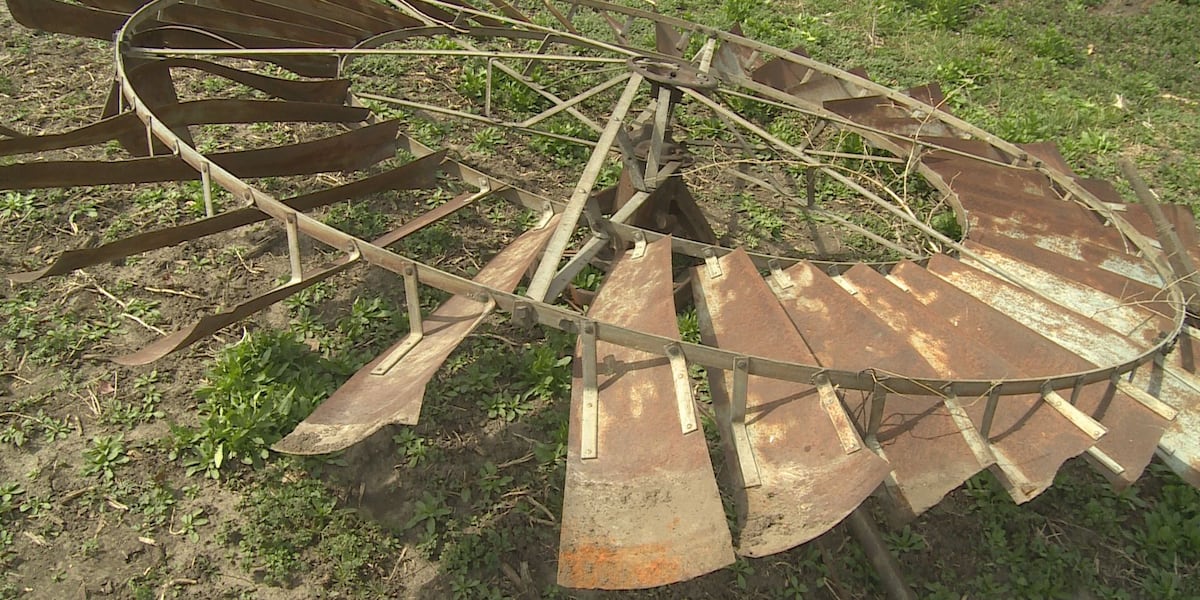
Nebraska City crews and museum experts are racing against time to restore five historic windmills, some over a century old, in a vital preservation project. The Kregel Windmill Factory Museum recently coordinated lowering the century-old Eli windmills for urgent repair, reviving a key piece of Nebraska’s agricultural and industrial heritage.
“We’re getting ready to lower down an Eli windmill that was actually made at the Kregel Museum in Nebraska City well over 100 years ago,” said Issiaih Yott, Executive Director of the Kregel Windmill Factory Museum. Once the last operational windmill factory in the United States, the Kregel Museum now safeguards rare relics of this pioneering technology.
Local workers lowered two Eli windmills during this critical phase — one at the museum site and another just down the hill. The project answers a call from a landowner whose family-owned windmills—three made at the original Kregel Factory—had fallen into disrepair.
“When he reached out to me, I wanted to help because these windmills represent local history meeting local restoration,” Yott said. These windmills, once vital to Nebraska agrarian life, fell silent decades ago but are now getting a new lease on life.
After being dismantled carefully “like Legos,” the windmill parts will be transported to a top windmill restoration expert partnering with the museum. This specialist brings over 30 years of experience, ensuring the restored windmills meet high standards and operational functionality.
“These restored windmills don’t just become museum pieces,” Yott explained. “They will be reinstalled across southeast Nebraska, pumping water and actively serving communities again.” This underscores their continued relevance beyond nostalgia.
“Windmills are not dead or dying,” Yott emphasized. “Though older technology, they’re increasingly repurposed today for practical uses.”
This restoration effort comes at a crucial moment for preserving American agricultural infrastructure. The dwindling number of original windmills from the early 1900s holds not only cultural value but practical environmental uses, particularly in rural areas where they help with water pumping.
Yott added, “With us being the last original operational windmill factory in the country, it puts us in a unique position to assist people with windmill-related projects.” Community members frequently seek guidance from the museum, signaling a renewed interest in these sustainable technologies.
As these historic windmills return to the Nebraska countryside, the project symbolizes more than restoration—it represents saving heritage steel forged a century ago and reconnecting it with modern-day needs.
This team’s work is a timely reminder of Nebraska’s rich windmill legacy and how traditional technologies adapt with innovation, serving new generations across America’s heartland.
Residents and enthusiasts can follow updates from the Kregel Museum as the restoration proceeds this year, signaling hope for rural communities looking to blend history with function.