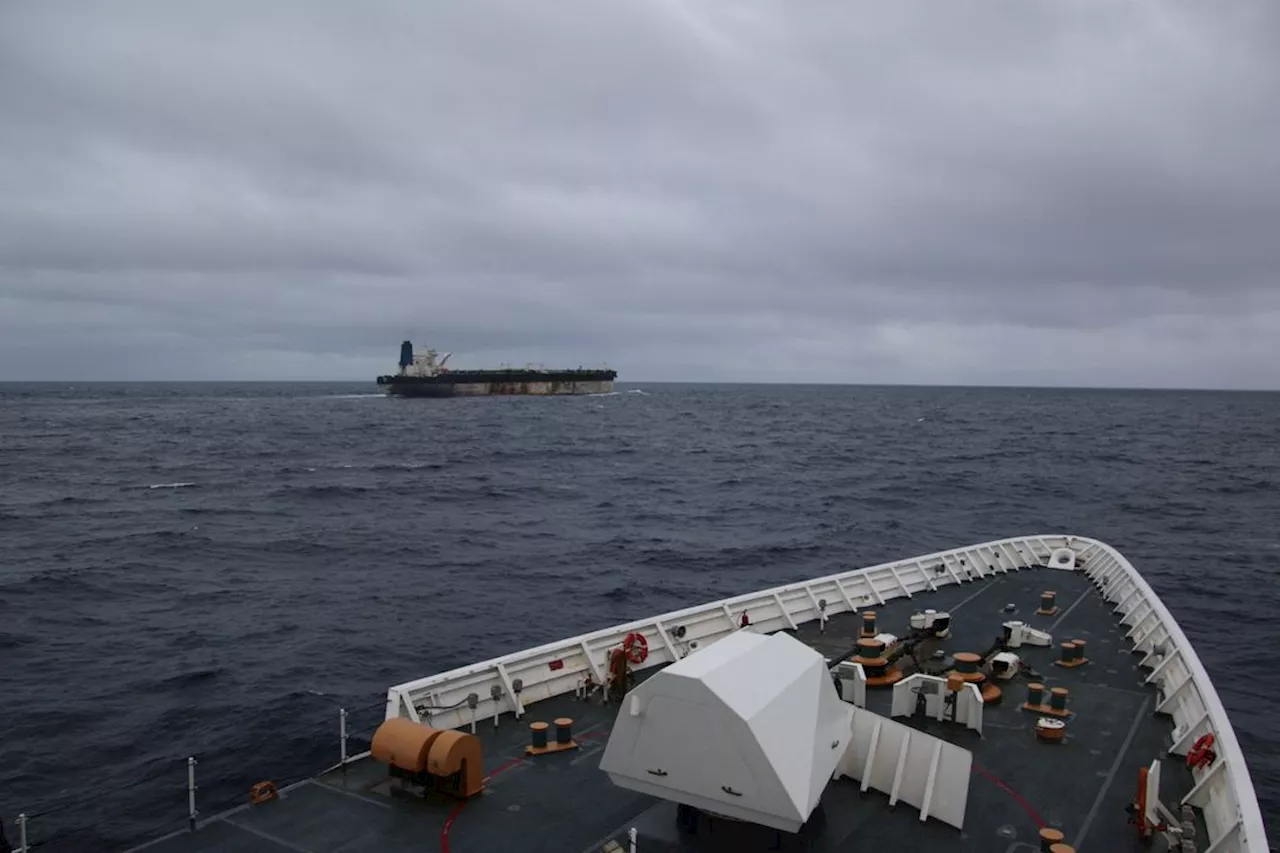
Iran Seizes Two Foreign-Flagged Oil Tankers Amid Rising US Naval Blockade
Iran’s Revolutionary Guard has captured two oil tankers registered under foreign flags, intensifying tensions in the ongoing US-Israel war on Iran. The vessels, the Panama-flagged MSC Francesca and the Liberia-flagged Epaminondas, were seized last week and towed to Iranian shores for what Tehran called maritime violations.
This dramatic move comes as Iran maintains control of the strategic Strait of Hormuz, blocking oil tankers and commercial ships from transiting the vital waterway since the conflict began on February 28. In response, the US imposed a naval blockade of Iranian ports on April 13, escalating a dangerous maritime standoff in a region critical to global oil supply.
Flags of Convenience Hide True Ownership Amid War
The two seized tankers flew the flags of convenience—a widespread maritime practice where ships are registered in third countries like Panama, Liberia, or the Marshall Islands. These open registries offer shipowners lower fees, lenient regulations, and greater opacity in ownership.
Despite initial reports focusing on flag states, the actual beneficial owners controlling and profiting from these vessels remain largely unknown. Iran accused the tankers of having “ties to Israel” and violating maritime rules, including interference with navigation systems.
Experts note this is a deliberate strategy. About 75-80 percent of the world’s merchant fleet sails under such flags to avoid stringent laws, costly taxes, and strict environmental or labor regulations from traditional maritime nations like the UK or EU.
Sanctions and Shadow Fleets Complicate Enforcement
The US and Iran have both seized ships during the conflict, but flag-hopping—the rapid changing of a vessel’s flag—is common. This tactic helps owners evade sanctions, inspections, and port controls. For example, a tanker chased by US forces off Venezuela last year changed names and flags mid-voyage before US forces seized it in the North Atlantic.
With multiple layers of shell companies obscuring ownership, sanctions enforcement and damage accountability become extremely challenging. The flag states bear responsibility under international law but often lack the capacity or will to enforce penalties effectively.
Why Iran’s Control of the Strait of Hormuz Matters Now
The Strait is a choke point for about a third of the world’s oil shipments. Iran’s refusal to allow passage of oil tankers not only disrupts the global energy market but puts pressure on the US and its allies to respond militarily or diplomatically.
The ongoing naval blockade of Iranian ports by the US has created a deadly game of maritime chess, with both sides seizing vessels perceived as threats or sanctions evasion tools. The newest seizures highlight the increasing risks commercial shipping faces amid this proxy conflict.
What’s Next for Global Shipping and Security
Continued tension threatens to escalate confrontations in international waters, risking wider disruption to global oil supplies and maritime trade. Industry watchers advise close monitoring of ship movements and flag registrations amid growing enforcement and counteractions by major powers.
For American consumers, the conflict signals potential volatility in oil prices and energy security due to interference in one of the world’s busiest maritime corridors.
Official Iranian statement: “The two vessels had ties to Israel and endangered maritime safety, warranting their capture.”
The US has not confirmed immediate new naval actions but remains vigilant. Stakeholders worldwide await further developments as both sides sharpen their maritime tactics in this evolving crisis.