Trump Administration Hits Cuba with New Sanctions on May Day
The Trump administration sharply expanded sanctions on Cuba in a new executive order issued Friday, coinciding with the International Workers’ Day holiday. The move aims to intensify pressure on Havana amid a worsening economic crisis and ongoing geopolitical tensions.
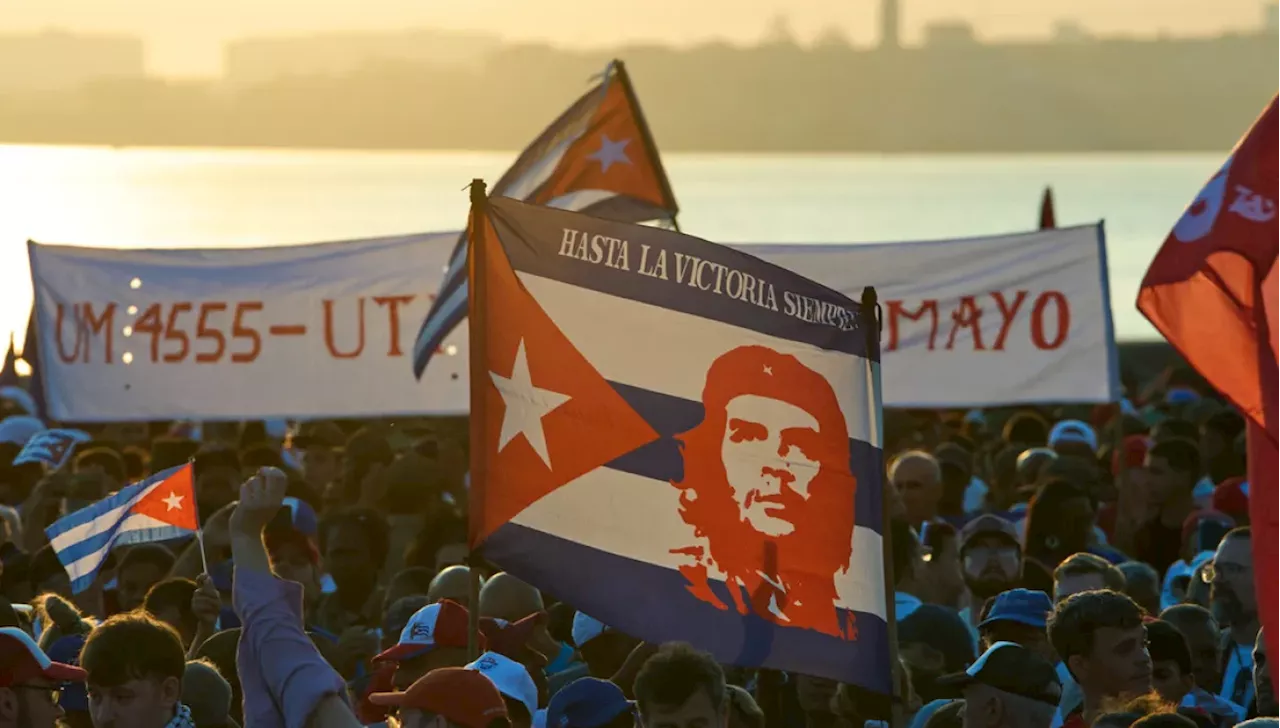
Cuba’s government swiftly denounced the sanctions, with Cuban Foreign Minister Bruno Rodriguez calling them “unilateral coercive measures” that amount to “collective punishment on the Cuban people.” Rodriguez highlighted the timing as deliberate, saying May 1 is when millions of Cubans rally against the U.S. blockade and energy siege.
“It is no coincidence these measures were announced on May 1, the very day that millions of Cubans take to the streets to denounce the US blockade and the energy siege,” Rodriguez said.
The executive order accuses Cuba of policies that constitute a “threat… to the national security and foreign policy of the United States,” framing the island’s communist government as repugnant to the values of “free and democratic societies.”
This latest action expands sanctions amid Cuba’s escalating economic hardships. The country’s central oil lifeline was cut off earlier this year after a raid by Delta Force commandos, worsening an already dire energy crisis. President Trump has indicated plans to maintain or increase pressure on Cuba after tensions with other foreign actors, like Iran, stabilize.
What This Means for Cubans and U.S.-Cuba Relations
The sanctions mark a significant intensification of the Trump administration’s hardline approach toward Cuba, targeting its economy and energy supplies. U.S. officials argue these measures are necessary to counteract policies they say threaten American interests and promote oppression.
Meanwhile, Cubans, already struggling with shortages and a faltering economy, face further restrictions that impede access to critical resources. The Cuban government vows to resist what it calls “U.S. imperialism’s attacks,” warning of prolonged hardship for its population.
As American protests demanding social and political reforms continue on U.S. soil, the Cuban government seized on this to criticize Washington’s simultaneous actions against Havana, framing it as repression abroad while ignoring unrest at home.
What to Watch Next
Experts will be monitoring whether these sanctions lead to escalated retaliation from Cuba or complicate diplomatic efforts in the region. The U.S. administration could further tighten restrictions in coming weeks, especially depending on developments in the Middle East and Cuba’s internal response.
This new wave of sanctions signals a deeper U.S. focus on the Western Hemisphere, potentially foreshadowing a more aggressive stance on Cuba and its allies in Latin America moving forward.
For Americans, these developments could influence regional stability, immigration flows, and bilateral relations in one of the most enduring conflicts in U.S. foreign policy.