Taiwan President Returns from Africa Despite China’s Intense Diplomatic Pressure
Taiwan President Lai Ching-te has successfully completed his visit to Africa after facing strong interference from China, which had forced the delay of his original trip. Lai landed in Taipei on May 5 after flying to Eswatini aboard the king’s official aircraft on May 2, defying Beijing’s efforts to disrupt the trip.
The trip, initially scheduled for April 22-26, was postponed after China applied intense pressure on several African nations—Seychelles, Mauritius, and Madagascar—to revoke overflight permits, effectively blocking Lai’s passage. These countries were reportedly warned Beijing would rescind significant debt relief, halt financing, and impose economic sanctions if they cooperated with Taiwan.
Lai Asserts Taiwan’s Right to Global Engagement Amid China’s Diplomatic Clampdown
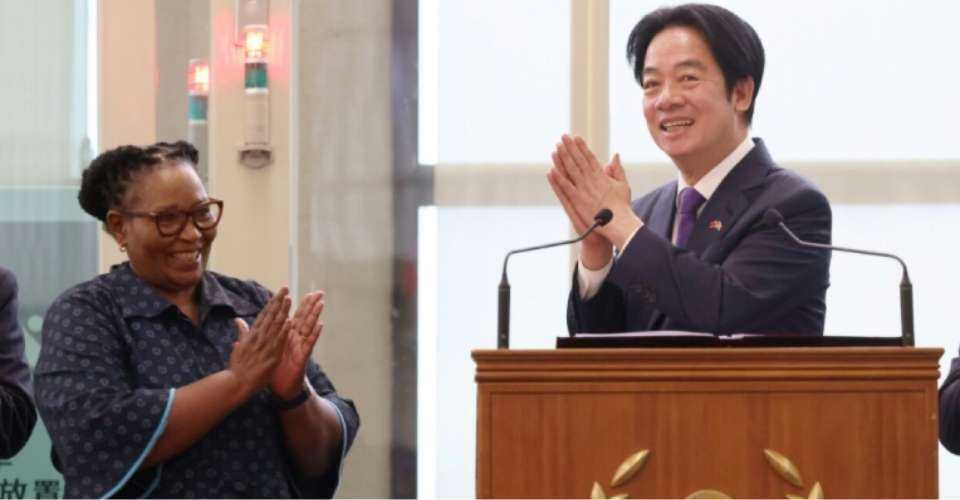
After touchdown in Taipei’s international airport, Lai declared,
“Taiwanese people are people of the world; Taiwanese people have the right to engage with the world.”
Flanked by Eswatini Deputy Prime Minister Thulisile Dladla, who accompanied him on the return flight, Lai condemned China’s suppression tactics, saying the island will “not shrink back because of suppression.”
Lai emphasized that mutual visits between heads of state should be a basic right, comparing it to visiting friends. Eswatini remains one of only 12 nations worldwide that officially recognize Taiwan’s sovereignty, making this trip symbolically and politically significant.
China Denounces Lai’s Visit as a “Farce,” U.S. Condemns Beijing’s Intimidation
Beijing’s response was swift and sharp. On May 2, China’s Foreign Ministry accused Lai of staging a “stowaway-style escape farce” that they said made him “an international laughing stock.” Officials dismissed Taipei’s claims of intimidation as “baseless accusations.”
Meanwhile, the United States government blasted China’s tactics, condemning the “intimidation campaign” aimed at isolating Taiwan and disrupting its international relations.
Background: Taiwan’s Diplomatic Struggle Under Growing Chinese Pressure
Taiwan has long been caught in a geopolitical tug-of-war with China, which claims the self-governing island as part of its territory. Beijing aggressively pressures countries to sever diplomatic ties with Taipei, diminishing Taiwan’s global space. Lai’s planned visit to Eswatini was to celebrate King Mswati III’s 40th anniversary of accession and his 58th birthday, events of great importance to the small African kingdom and Taiwan alike.
Lai’s last official foreign trip was in November 2024 when he visited Taiwan’s Pacific allies after transiting through Guam. Notably, during that period, then-President Trump’s administration reportedly denied Lai permission to transit New York during a separate Latin American visit, a claim denied by Taiwan’s foreign ministry.
What Comes Next: Taiwan Signals Defiance, Eyes Expanded Global Links
This successful visit despite formidable challenges sends a powerful signal that Taiwan intends to maintain and expand its global relationships, despite China’s escalating diplomatic pressure. As tensions escalate, the international community keenly watches how Taiwan will navigate its diplomatic isolation while asserting its role on the world stage.
The United States’ vocal support for Taiwan’s right to global diplomacy underscores the growing strategic contest in the Indo-Pacific region. How Beijing responds to continued Taiwanese outreach and U.S. backing could shape regional stability in the months ahead.
For American audiences, this episode highlights the rapidly evolving China-Taiwan rivalry and the U.S.’s increasing involvement in supporting Taiwan’s international presence amid mounting Chinese coercion.