Apple and Google Lead the Charge in Tracking Tag Reliability
New reports confirm Apple’s Airtags and Google’s Find Network now deliver top-tier performance, outpacing Samsung’s Smarttag in speed and update accuracy. Users are seeing near-instant location updates with Apple, while Google has rapidly improved its network since launching Motorola’s Moto Tag.
Both Apple and Google rely on massive crowdsourced networks where nearby phones, with user approval, anonymously help report the location of lost tags through Bluetooth and GPS. This collaborative system maintains efficient battery life—typically about a year—while offering real-time tracking.
Why Apple and Google Dominate – And Samsung Struggles
Apple pioneered the concept and built a vast network early, giving its Find app a reliability edge with constant location updates. Google initially launched with limited network activation, causing patchy results for early Motorola Moto Tag users. However, recent software improvements now enable almost as strong tracking, rivaling Apple’s performance.
Samsung’s Smarttag, which runs on its own network and can only utilize a fraction of Galaxy devices for location reporting, frequently experiences update delays of several hours. In real-world testing, Samsung’s tags sometimes failed to report during long airport layovers, such as at Beijing Airport, while Apple and Google updates remained continuous.
Chipolo Shines with Dual Network Support and Rechargeable Options
Chipolo, a rising competitor, supports both Apple and Google’s networks, offering versatile use for users uncertain about phone platforms—ideal for gifting. Two Chipolo models, the Loop and Card, feature rechargeable batteries that eliminate the hassle of replacing disposable CR2032 cells, lasting about a year between charges.
Additionally, Chipolo enhances user experience with smart features like walking-away alerts on Android apps, filling a gap where Google’s Find Network currently lacks. These features provide crucial protection against leaving valuables behind.
Security and Privacy Measures Are Tightened
All major tracking tag makers—including Apple, Google, Samsung, Tile, Chipolo, Eufy Security, and Pebblebee—have collectively addressed privacy concerns. Users receive alerts if unknown tags are detected moving with them, helping to prevent illegal stalking and enhancing personal security.
Tag Design and Outdoor Durability
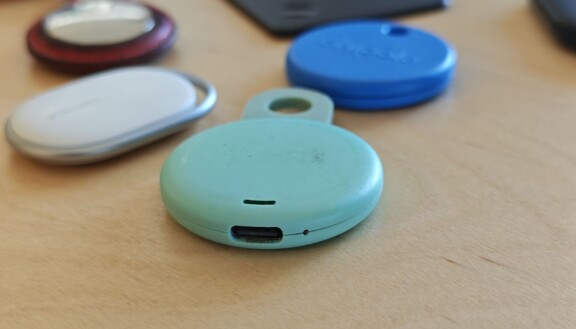
Most tracking tags, including Apple and Motorola models, sport a compact round design requiring accessories to attach to items like keys or bags. Chipolo offers a built-in loop for easy direct attachment and a slim Card design suited for wallets or passports.
The majority of tags feature IP67 water and dust resistance, allowing for outdoor use such as bike attachment, but Bluetooth signals do not penetrate water, making underwater tracking impossible.
What’s Next: Ecosystem Lock-In vs. Flexibility
While tags cannot simultaneously connect to both Apple and Google networks, buying cross-compatible models offers flexibility if users switch phones later. This reduces reliance on a single manufacturer’s ecosystem—a growing concern as smart device networks become more entrenched in daily life.
For now, Apple and Google’s dominance shows no signs of stopping, with improvements and innovations continuing to unfold, making lost gadgets easier to recover than ever before.
“Both Google’s and Apple’s systems performed excellently in our tests, providing up-to-date positions on your gadgets,” said experts at GAMINGDEPUTY.
American consumers can expect ongoing refinements in tracking reliability, privacy safeguards, and device features, driving competition in the smart tracking tag market throughout 2026 and beyond.