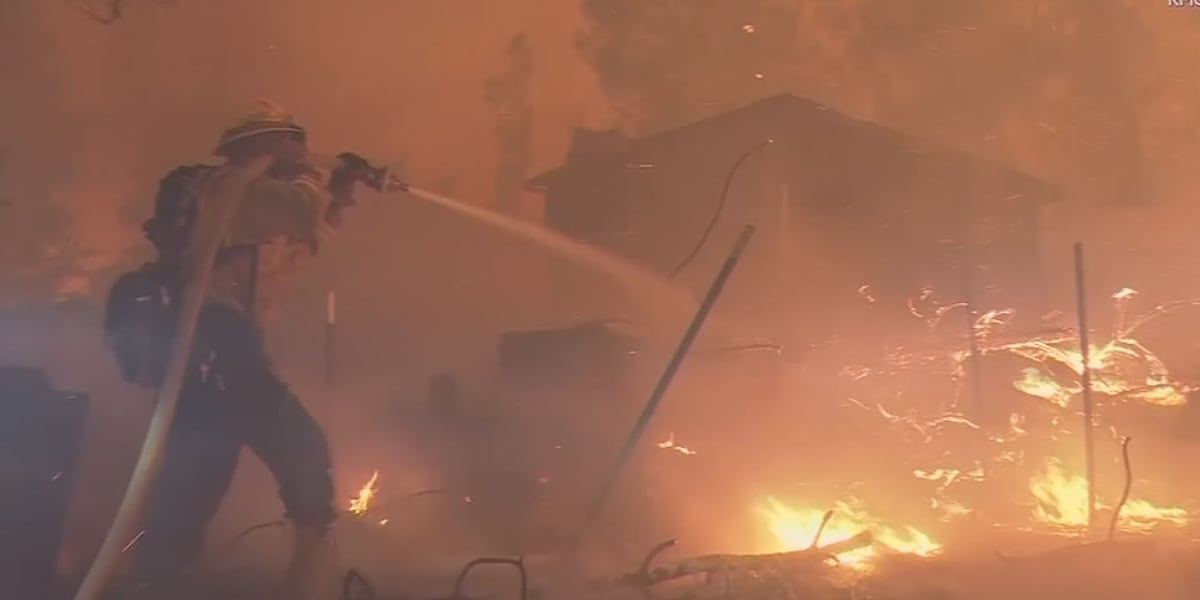
USDA ramps up wildfire preparedness ahead of 2026 fire season
The U.S. Department of Agriculture has issued sweeping new directives to intensify wildfire readiness nationwide as the 2026 fire season approaches. Agriculture Secretary Brooke Rollins today instructed the Forest Service to strengthen training, ramp up staffing, and streamline contracting for faster, more effective responses.
This urgent memo prioritizes protecting American communities and firefighter safety while expanding the coordinated use of prescribed burns and interagency efforts. USDA officials confirm that more than 28,000 Forest Service responders stand ready alongside tens of thousands of contracted personnel from roughly 2,500 vendors. The agency also manages the majority of federal firefighting aviation assets, including helicopters and airtankers.
Key measures will keep crews battle-ready amid escalating wildfire risks
Rollins’s directive calls for maintaining fully trained firefighting personnel at all times and increasing staffing levels during peak fire periods to meet growing demands. It also pushes for better tracking of hazardous fuels treatments—critical steps to reduce fire severity before blazes ignite.
Forest Service Chief Tom Schultz emphasized wildfire response as a shared responsibility across local, state, and federal levels. “Our crews are prepared to defend communities and provide frontline firefighter support,” Schultz said, highlighting the department’s cohesive approach entering the season.
Enhanced coordination and innovations drive wildfire defense strategy
The USDA’s strategy builds on reforms launched in 2025 that have already strengthened forest management and wildfire response capabilities. The recent guidance sharpens focus on firefighter health and safety and consolidates efforts across federal agencies for faster, smarter deployments.
USDA officials stress close collaboration with partners to expand prescribed burns—an environmentally sustainable method to reduce combustible vegetation. This method is seen as vital in managing wildfires more proactively, aiming to prevent disastrous blaze outbreaks threatening homes and livelihoods.
Why this matters now
With wildfires growing in frequency and intensity nationwide, the USDA’s renewed focus sends a strong message: protecting Americans comes first. The 2026 fire season is poised to be one of the most challenging yet, and this rapid mobilization of resources aims to curb threat levels and shield vulnerable communities.
USDA’s firefighting force, bolstered by thousands of skilled responders and a vast aviation fleet, is now better prepared to tackle wildfires swiftly from the air and ground. This readiness could mean fewer destructive fires, faster containment, and, most importantly, lives saved.
What to watch for next
Experts and communities nationwide will be monitoring how these new directives translate into on-the-ground wildfire outcomes. The USDA’s focus on improved wildfire tracking, increased staffing, and better interagency collaboration will be key benchmarks as the 2026 season unfolds.
Meanwhile, watch for expanded prescribed burn programs as a proactive fire prevention tool and ongoing updates from Agriculture Secretary Rollins and Forest Service leadership as this critical fire season progresses.
Tom Schultz, Forest Service Chief: “Wildfire response is a shared responsibility at all levels of government and our crews stand ready to protect communities and support frontline firefighters.”
The USDA’s decisive action today reflects a nationwide commitment to confronting wildfire challenges head-on, ensuring Americans are better defended as flames loom on the horizon.