FOP President’s Racist Remark Ignites Backlash After Casey Goodson Jr. Trial
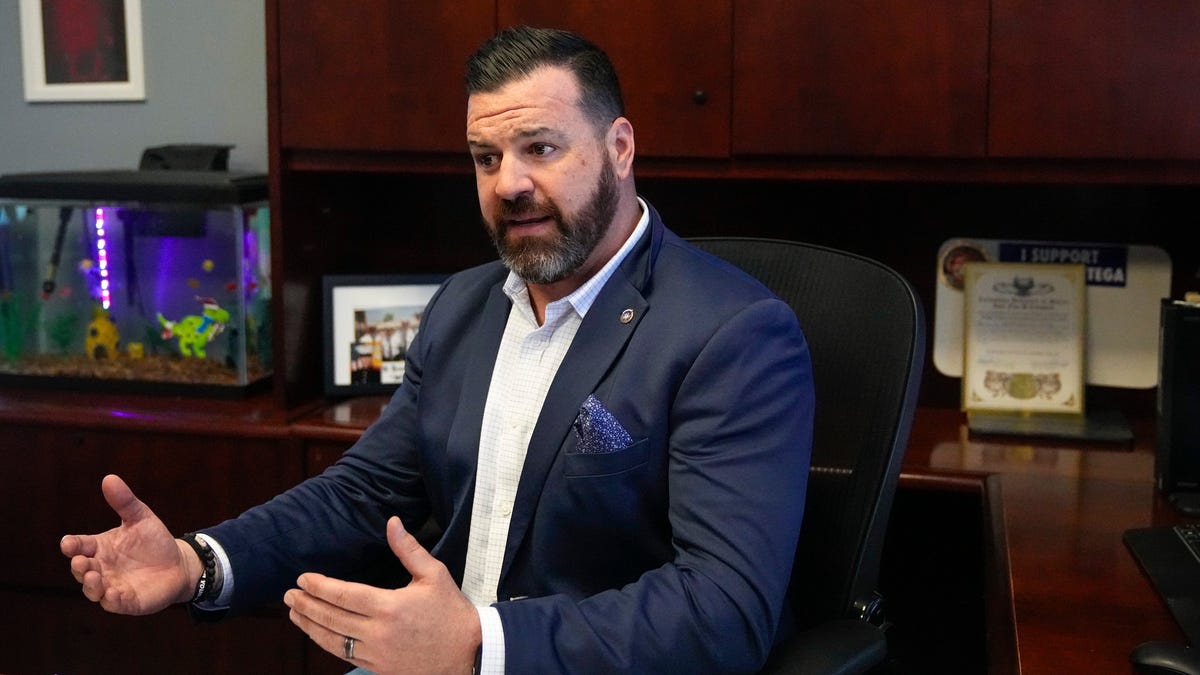
Brian Steel, president of the Fraternal Order of Police (FOP) Capital City Lodge 9, has drawn sharp criticism for calling attorney Sean Walton a “poverty pimp” in a “$3,000 suit” just days after former deputy Jason Meade was found guilty of reckless homicide in the shooting of Casey Goodson Jr.
Steel’s incendiary and racially charged comments have raised alarms across Columbus, deepening divisions between law enforcement and city residents at a crucial moment for community healing. The backlash highlights persistent tensions even as the region faces renewed scrutiny over police accountability.
Conviction Seen as Rare Win Amid Longstanding Police Accountability Issues
The conviction of Meade, a former Franklin County Sheriff’s Office deputy, was hailed by some as an exceptional moment of justice for the family of Casey Goodson Jr., who was fatally shot in December 2020. Five of the bullets struck Goodson in the back, according to autopsy reports. But as commentator Judson L. Jeffries, a professor at Ohio State University and Columbus Dispatch contributor, explains, such outcomes remain “the exception rather than the rule.”
“Police officers nationwide have historically enjoyed near-total impunity from charges related to extra-legal use of force,” Jeffries said. “We might be moving toward some accountability, but it’s slow and inconsistent.”
FOP Leader’s Comments Stoke Racial Division Amid Calls for Unity
Steel’s remarks targeted Sean Walton, the No. 1 local NAACP chapter president and attorney for the Goodson family, labeling him a winner who profits from tragedy. Jeffries denounced the language as “racially charged and divisive,” warning it echoed a darker era of open hostility toward civil rights advocates.
“This kind of rhetoric drives a wedge when unity is what we need most,” Jeffries said.
Community advocates say the comments undermine progress made since the public outcry following the George Floyd killing in Minneapolis, which forced long-overdue national conversations about police reform and accountability.
Families on Both Sides Face Pain as City Grapples with Impact
Steel acknowledged that both the Goodson and Meade families suffered losses in the case, but critics emphasize the distinction between loss caused by reckless police action and the emotional toll on those connected to law enforcement officers whose poor judgment led to tragedy.
Jeffries shared a sobering perspective, noting many career officers go their entire service without discharging a weapon. Meade’s decision to fire multiple shots that day, resulting in Goodson’s death, violated that norm and underlines why this case remains so contentious.
What Happens Next: A City at a Crossroads
Columbus now faces the challenge of healing deep fractures triggered by the shooting, trial, and increasingly hostile rhetoric from key law enforcement stakeholders. Advocates call for renewed focus on reforms that keep communities safe while fostering trust.
Meanwhile, public attention stays fixed on how local officials, police leadership, and community activists will navigate the fallout from Steel’s divisive comments and the broader implications for racial justice.
Brian Steel’s remarks have not been officially retracted or clarified as of now, leaving momentum for further controversy and demands for accountability in the days ahead.
As this situation develops, Columbus and the nation watch closely, grappling with how much progress has truly been made—and how far the country still must go.