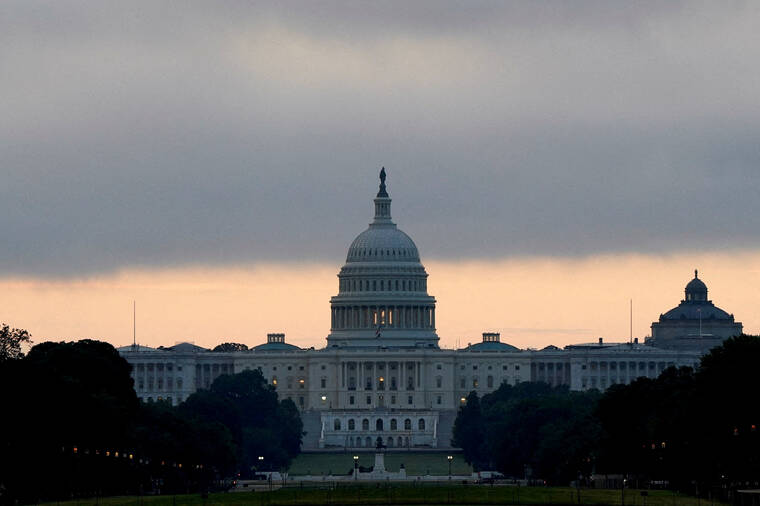
Congress has reached a critical agreement that appears to avert a federal shutdown, following lengthy negotiations that intensified over the weekend. The deal, finalized on Sunday night, aims to address urgent funding needs while raising concerns among some lawmakers about its implications for essential programs.
Senate Democrats have expressed dissatisfaction with the agreement, particularly regarding its failure to extend vital subsidies under the Affordable Care Act (ACA). The ACA subsidies have played a significant role in providing health insurance coverage to millions of Americans, and the lack of renewal has raised alarms among advocates for healthcare access.
As the potential shutdown loomed, pressures mounted from various quarters. Millions of individuals at risk of losing monthly food-aid benefits pushed lawmakers to act swiftly. Such benefits are crucial for many families, especially during challenging economic conditions. The looming threat of a federal shutdown also raised concerns about increasing disruptions at airports, with travelers facing canceled and delayed flights.
Political Reactions and Implications
The bipartisan agreement, while a step toward preventing a government closure, has not come without its critics. Numerous Senate Democrats argue that the deal does not adequately address the needs of the most vulnerable populations. They contend that extending ACA subsidies should have been a priority, given the significant impact on healthcare accessibility.
Senate Majority Leader Chuck Schumer emphasized the importance of preserving health benefits for those relying on ACA subsidies. “We must continue to fight for the health care of our constituents,” he stated during a press conference following the agreement’s announcement.
Despite these grievances, the urgency of the situation has resulted in a compromise that many see as necessary to avoid immediate fallout. The agreement allows for the continuation of essential government services, ensuring that federal employees remain on the job and that critical programs continue to operate.
Immediate Impacts and Future Considerations
The implications of the deal extend beyond just political maneuvering. Many families relying on food-aid programs can breathe a sigh of relief, at least temporarily. The agreement is expected to keep these essential services running, thereby preventing further hardship for those already facing economic challenges.
Travelers have also been impacted significantly, as the threat of a shutdown had already begun to cause disruptions at airports. Delayed flights and cancellations could have escalated, adding stress to millions of passengers. The agreement paves the way for a more stable travel environment as the busy holiday season approaches.
Looking ahead, the focus will inevitably shift to how Congress addresses the ongoing concerns about healthcare. The disagreement over ACA subsidies signals deeper divisions that may resurface in future negotiations. As lawmakers return to their respective chambers, the discussion around healthcare accessibility and financial support for vulnerable populations will likely become a central issue in the coming months.
In conclusion, while the recent congressional agreement has provided a temporary solution to avert a federal shutdown, it has opened the door to ongoing debates surrounding healthcare and support for those in need. The coming weeks will be crucial as lawmakers navigate these complex issues, striving to balance immediate needs with long-term solutions.