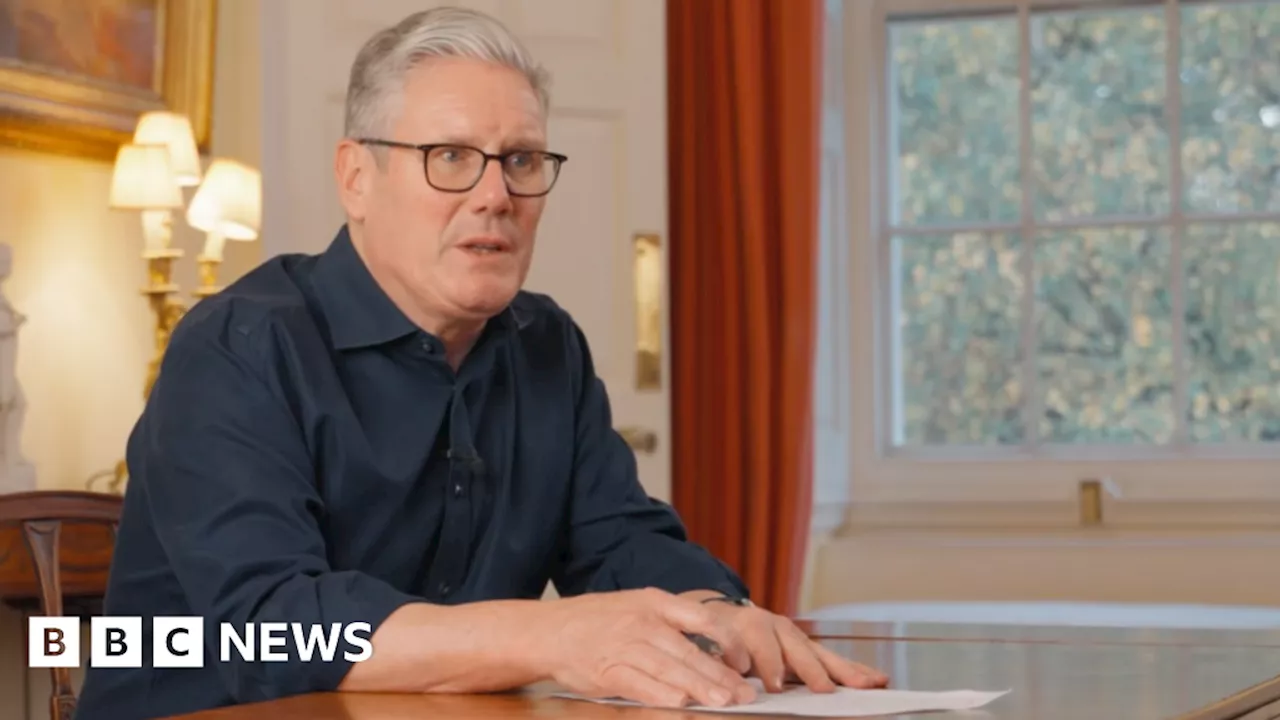
Sir Keir Starmer, the Prime Minister of the United Kingdom, has shared a heartfelt letter with his son to mark International Men’s Day, reflecting on the challenges faced by young men today. In the letter, he emphasized the importance of openly discussing mental health, acknowledging the pressures that can be difficult to articulate.
Starmer noted that growing up in contemporary society is “not easy” for young men. He cited his own experiences with his father, highlighting a strained relationship where they “never really spoke” and did not connect deeply. This personal insight shaped Starmer’s parenting approach, as he expressed pride in his son, stating, “You’ve grown into a confident, kind, wonderful young man.”
The Prime Minister addressed his son, who is 17 years old and remains unnamed publicly, emphasizing the significance of maintaining open communication: “If there’s one hope I have, it’s that we keep talking, keep learning from each other, keep helping each other.” He recognized the substantial sacrifices his family has made since he took office at Downing Street, underscoring his commitment to improving the world for future generations.
Starmer also discussed the impact of media on young men’s perspectives, mentioning a Netflix series called *Adolescence*, which focuses on a teenager facing serious legal issues. He praised fellow Labour MP Luke Charters for candidly sharing his mental health struggles, believing that such openness can inspire others to share their own experiences.
In the political arena, the Prime Minister’s Questions (PMQs) were overshadowed by discussions surrounding an upcoming Budget that is poised to be contentious. Conservative leader Kemi Badenoch criticized the government’s financial strategies, suggesting that it is unraveling before being officially presented. Simultaneously, Starmer faced allegations regarding his knowledge of attacks on cabinet colleagues, specifically concerning Health Secretary Wes Streeting.
The government has announced a new men’s health strategy, committing £3.6 million over the next three years to suicide prevention initiatives targeting middle-aged men in high-risk communities. This strategy includes a partnership with the Premier League, aiming to integrate mental health messaging into football matches and fan interactions. The Department of Health’s research indicates that men are less likely to seek help for mental health issues and are more prone to smoking, drinking, gambling, and substance abuse compared to women.
To address these concerns, the government plans to implement a levy on betting companies and explore methods to reduce alcohol and cocaine-related fatalities, including workplace health checks in male-dominated sectors.
Starmer’s letter and the government’s initiatives highlight a growing recognition of mental health challenges among men, particularly in light of societal pressures. The emphasis on open dialogue and proactive measures reflects a broader commitment to improving mental health support in the UK.