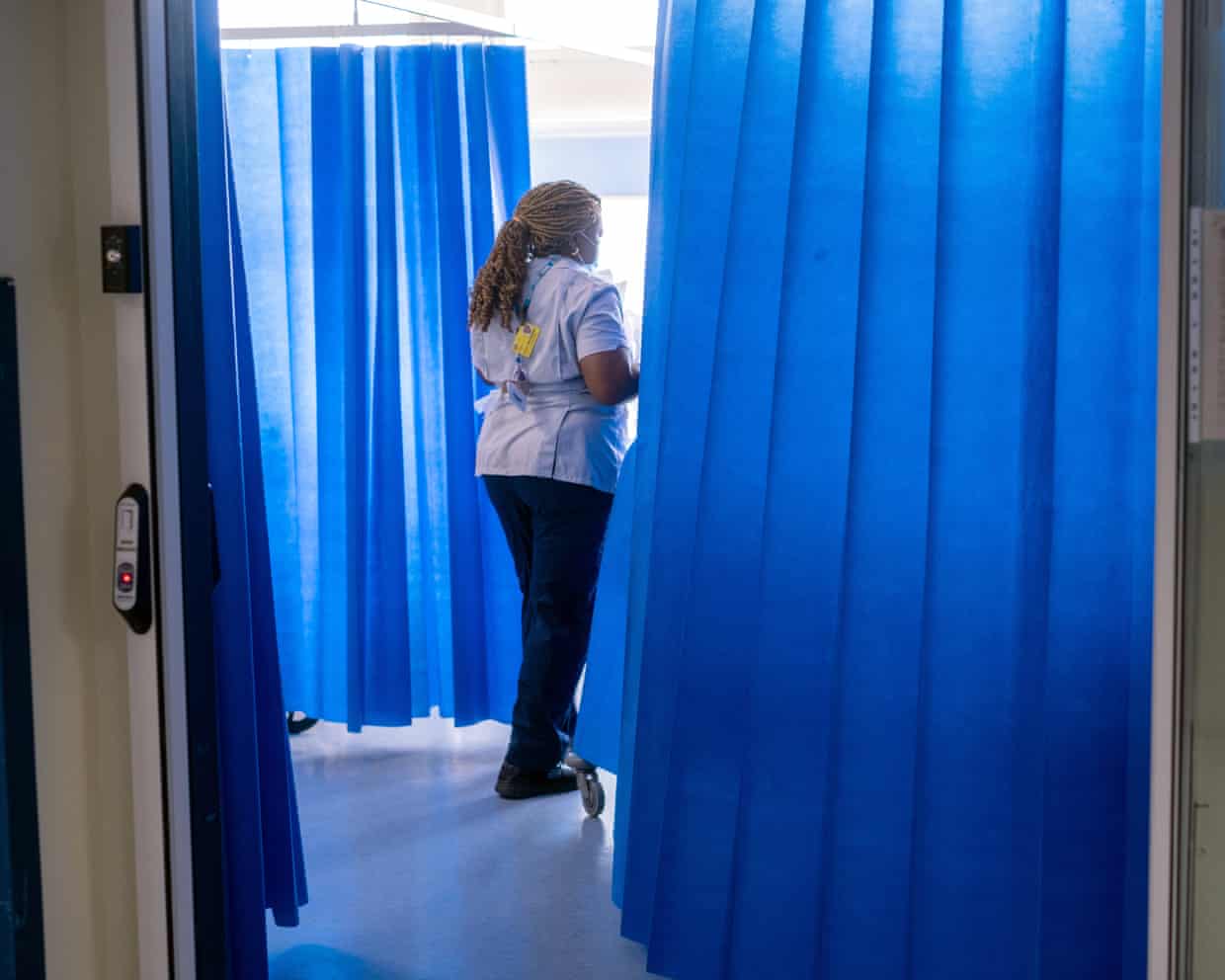
A recent survey reveals that as many as 50,000 nurses could leave the United Kingdom due to the government’s proposed immigration reforms. These changes may lead to what experts are calling the NHS’s most significant workforce crisis to date. The proposals, championed by Keir Starmer, aim to extend the wait for migrants to apply for settled status from five to ten years, alongside increasing skills requirements and English language standards for all visa types.
The implications of these changes are particularly severe for the National Health Service (NHS), which is already grappling with substantial staff shortages amid rising demand for care. A public consultation on these immigration plans is expected to occur shortly, amplifying concerns among health leaders.
Nursing leaders have voiced strong objections to the proposals, labeling them “immoral” and accusing the government of treating skilled migrants as “political footballs.” They warn that a mass exodus of nurses could jeopardize patient safety and hinder ongoing efforts to reduce treatment waiting times.
The Royal College of Nursing (RCN) conducted a survey, revealing profound distress among foreign NHS and social care staff. Currently, over 200,000 internationally educated nurses work in the UK, representing approximately 25% of the total nursing workforce of 794,000. The proposed changes to indefinite leave to remain (ILR) have raised alarms, with many considering leaving the UK permanently.
The RCN survey indicates that nearly 10% of all nursing staff could be impacted by these reforms. Government statistics show that 76,876 foreign workers have obtained a visa since 2021 and would have qualified for settled status after five years. The plan to extend this period has thrown the future of these workers into uncertainty.
In the RCN survey, which included over 5,000 migrant nursing staff, 60% of those without ILR indicated that the proposed changes are “very likely” to affect their decision to remain in the UK. This suggests that more than 46,000 nurses could leave if the reforms are implemented.
Professor Nicola Ranger, General Secretary and Chief Executive of the RCN, emphasized the risks associated with the proposals: “These proposals are not just immoral; they would be dangerous for our patients. No minister who has any interest in the success of our health and social care system would press ahead with extending the qualifying period for ILR.” She urged the government to abandon these plans, warning that they could exacerbate the existing NHS workforce crisis and threaten patient safety.
Many of the migrant nurses currently working in the UK arrived during the Covid-19 pandemic, often at personal sacrifice. Ranger characterized the proposed changes as a betrayal of these workers, who have contributed significantly to the health crisis response. “Our international colleagues deserve clarity over their futures, not to be used as political pawns,” she added.
Without ILR, migrant nursing staff face significant limitations in their employment opportunities, as their visas tie them to specific employers. This restriction can lead to exploitation within the social care sector, according to Ranger. Additionally, these workers would not be eligible for state support, such as child benefits and disability payments, for a decade despite contributing to the tax system.
The survey also highlighted the emotional toll of the proposed changes. Over 53% of respondents expressed being “extremely concerned” about their financial security, while 52% were worried about the impact on their families, and 49% about their career prospects. The changes could deter future foreign workers from seeking employment in the UK, as only 11% of respondents indicated they would have migrated had the settlement path been extended to ten years.
The RCN is further advocating for a reduction in the application fee for ILR, which currently stands at £3,029 per person, despite an estimated processing cost of only £523. This fee has significantly increased from £155 in 2003.
In response to these concerns, a government spokesperson acknowledged the value of overseas healthcare workers, stating, “We are grateful to our overseas frontline healthcare workers, who bring compassion, deliver high-quality care, and strengthen our health service, but net migration must come down.” The spokesperson added that under the proposed settlement model, individuals could potentially reduce their qualifying period based on contributions to the UK economy and society.
As the consultation period approaches, the future of the NHS workforce hangs in the balance, with the potential loss of thousands of nurses prompting urgent calls for reconsideration of these immigration reforms.