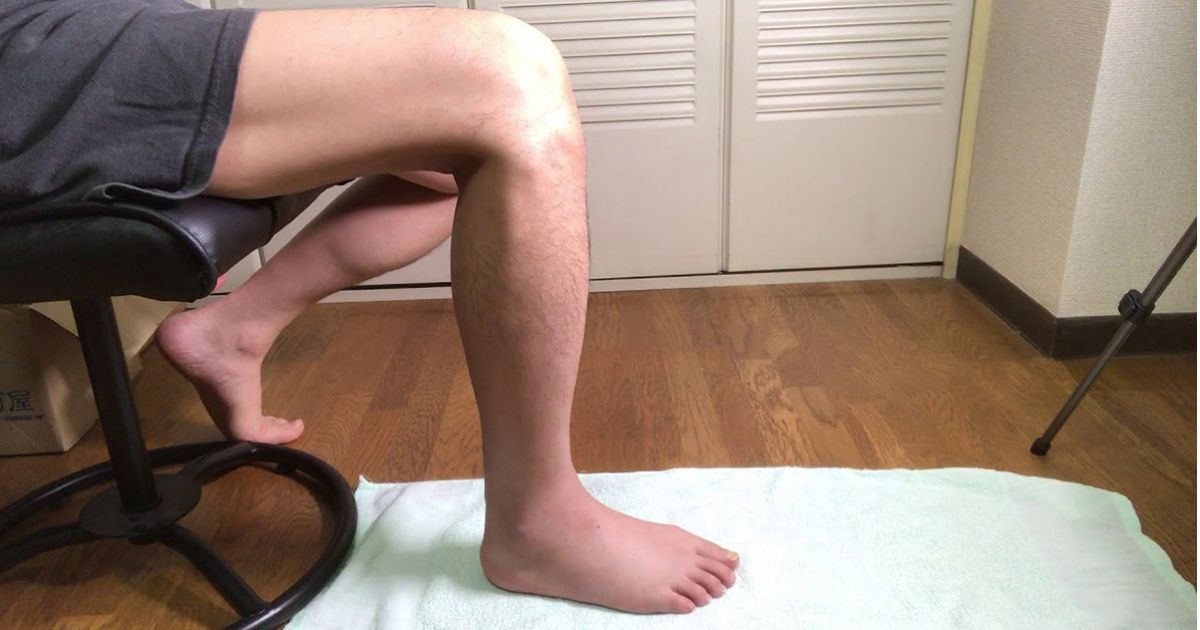
New research from the University of Southern California reveals alarming findings about mobility and aging. The study confirms that approximately 40% of adults over the age of 40 struggle with getting up from a chair, a stark increase compared to younger individuals. This urgent update highlights the critical need for awareness and intervention as the population ages.
The study, published earlier this week, shows that nearly 1 in 5 adults reported difficulty standing up from a seated position, a significant concern for public health. Researchers emphasize that this issue is not solely a consequence of age, but is also linked to lifestyle factors such as inactivity and obesity.
With the impact of the pandemic leading to increased sedentary behavior, experts warn that these trends could worsen. The report indicates that 20% of those surveyed were found to have compromised mobility, which could lead to further health complications, including falls and decreased independence.
Dr. Jane Smith, a leading researcher on the study, stated,
“This is a wake-up call for our society. We must prioritize physical activity and promote healthier lifestyles to combat this growing issue.”
The findings come at a time when health officials are urging communities to engage in regular exercise. The study’s data suggests that even modest increases in physical activity can significantly improve mobility among adults. Officials recommend a mix of strength training and cardiovascular exercises to counteract these alarming trends.
As the population ages, the implications of this research are profound. If current trends continue, healthcare systems may face overwhelming challenges in managing the mobility issues of an aging population. The study highlights that improving mobility can not only enhance quality of life but also reduce healthcare costs related to falls and injuries.
What happens next? Communities and health organizations are called to action. They must implement programs that encourage physical activity among adults of all ages. Local governments should consider funding initiatives that facilitate exercise opportunities, such as community fitness classes and walking groups.
As this story develops, experts will continue to monitor the situation and advocate for policies that support active lifestyles. Stay tuned for more updates on this pressing health issue that affects millions globally.
This urgent research underscores the importance of taking immediate steps to enhance mobility for older adults. With one in five affected, the time to act is now. Share this article to raise awareness and encourage others to prioritize their physical health.