UPDATE: In a significant shift, the United States is intensifying its relationship with Pakistan as the military chief, Field Marshal Asim Munir, consolidates his authority, raising alarms over the country’s trajectory towards military dominance. Just days ago, on October 9, 2023, Pakistan’s parliament passed a sweeping constitutional amendment that not only enhances Munir’s power but also provides him with lifetime immunity from arrest and prosecution, further entrenching military influence over political and judicial institutions.
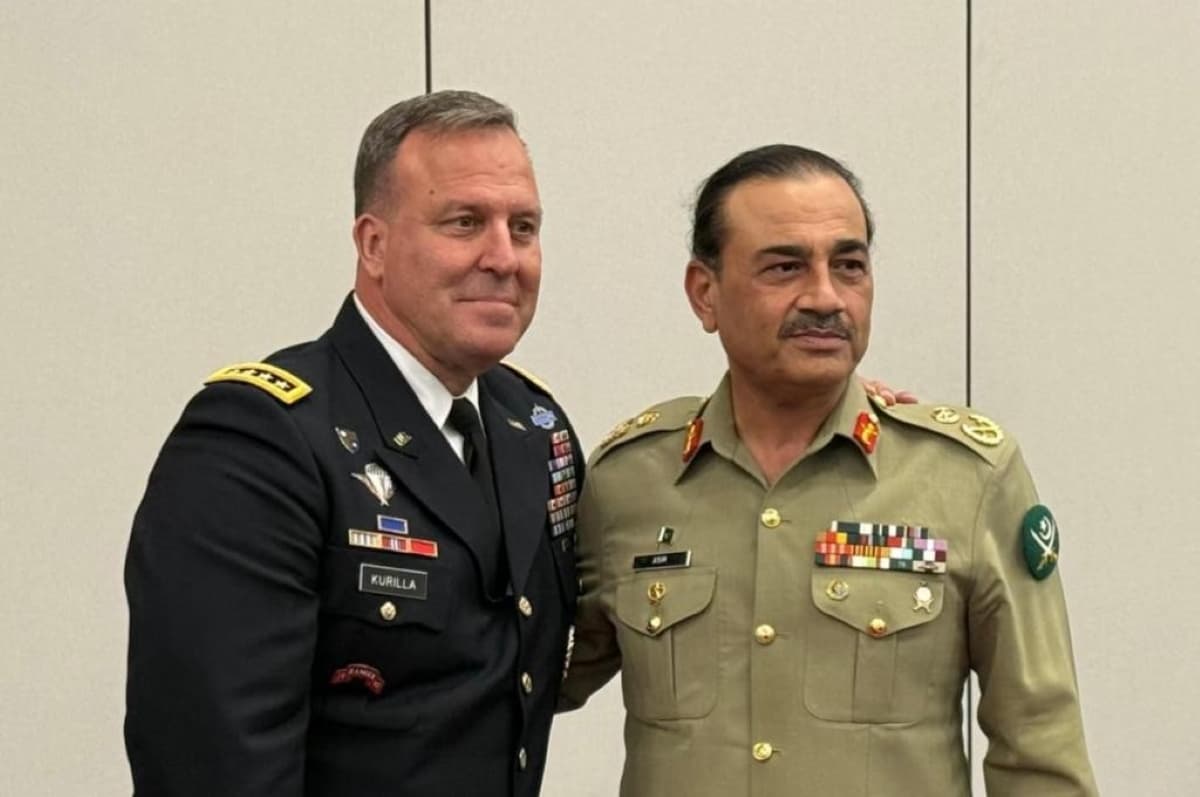
This urgent development occurs at a time when the U.S. is actively seeking to bolster ties with Islamabad, seemingly at the expense of its historically important relationship with India. Over the past few months, Munir has made two visits to the White House and attended a retirement ceremony for General Michael E. Kurilla, signaling Washington’s renewed engagement with Pakistan’s military leadership.
The implications of this power shift are profound. Critics fear that this backslide into military control could embolden Pakistan’s support for Islamic terrorism. Recent intelligence reports suggest that Pakistani authorities have been facilitating the resurgence of terror groups like Jaish-e-Mohammed, which has been implicated in multiple attacks against India, including a recent car bomb explosion near Delhi that resulted in 13 fatalities.
As U.S. officials appear to overlook the growing authoritarianism in Pakistan, the risks are mounting. Reports indicate that following India’s Operation Sindoor, aimed at dismantling terror bases in Pakistan and Pakistan-Occupied Kashmir, Islamabad has been re-establishing these groups, relocating them strategically within its borders, particularly to Khyber Pakhtunkhwa.
During a recent rally on September 14, Jaish-e-Mohammed leaders, under police protection, openly flaunted their recruitment efforts. Observers have linked these actions to Munir’s direct orders, raising concern over the military’s role in promoting terrorism while simultaneously courting U.S. support.
Meanwhile, the geopolitical landscape is shifting. Pakistan’s long-standing doctrine of “strategic depth” in Afghanistan has faltered significantly. The Taliban, once viewed as a proxy by Islamabad, are increasingly acting independently, undermining Pakistan’s influence. This was starkly illustrated on October 9, when Pakistani airstrikes targeted positions of the Tehreek-e-Taliban Pakistan in Kabul, coinciding with the Afghan foreign minister’s historic visit to India.
As Pakistan’s power dynamics evolve, the implications for regional stability are serious. Growing unrest among Pashtun populations against Punjabi dominance signals potential fragmentation within Pakistan. Should Pashtun separatist movements gain momentum, the stability of Balochistan could also be jeopardized, leading to further territorial challenges.
In contrast, India continues to rise as a dominant power in the subcontinent. With the world’s largest democracy on track to become a major technological superpower by 2035, its influence is set to reshape South Asian politics and security landscapes.
As U.S. policymakers reconsider their approach to South Asia, the consolidation of power by Field Marshal Munir and the diminishing influence of Pakistan underscore the urgency for a recalibrated strategy. Prioritizing ties with a consolidating military regime may prove detrimental to long-term regional stability and American interests, as Pakistan risks becoming increasingly isolated with its waning influence.
With tensions escalating and the stakes rising, the international community must watch closely. The ramifications of these developments will resonate far beyond the borders of Pakistan, affecting global security dynamics.