Recent research from scholars at the University of Münster reveals that many widely accepted notions about Vikings and their culture may be fundamentally flawed. According to experts from the Cluster of Excellence “Religion and Politics,” the prevailing images of Vikings are largely constructed from much later medieval sources, leaving significant room for reinterpretation of their identity and practices.
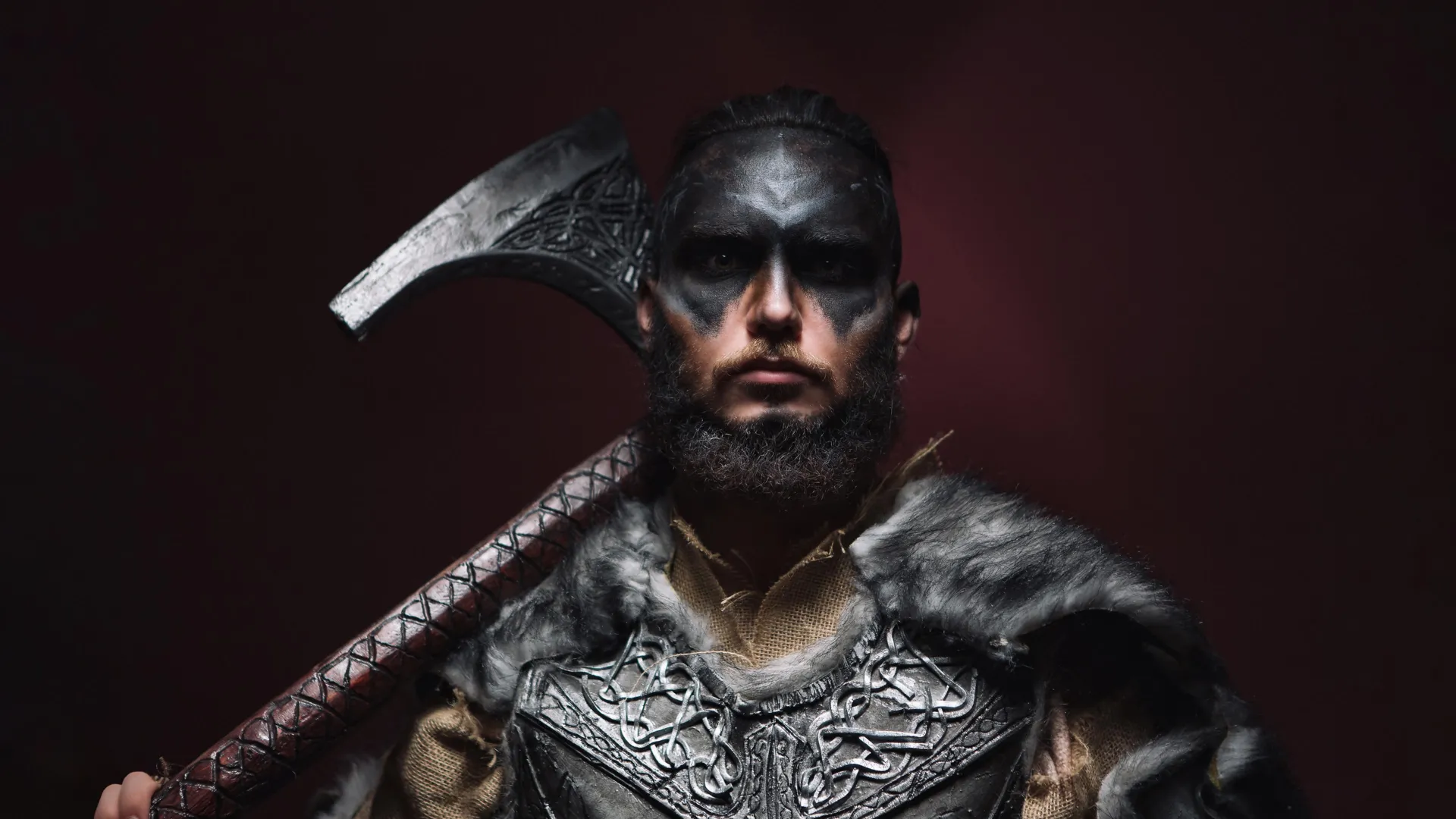
Researcher Roland Scheel highlights that the Viking Age, typically defined as spanning from the 8th to the 11th century, is often depicted in ways heavily influenced by modern media, including films, television series, and video games. This portrayal tends to emphasize traits such as fearlessness, prowess in battle, and maritime skills. However, Scheel points out that the actual historical evidence is far less definitive, relying primarily on accounts written by Christian scholars over a century after the events they describe.
One of the critical observations made by Scheel and his colleague Simon Hauke is that the surviving texts often reflect “memorialized history,” which may not accurately represent the complexities of Viking society. While popular culture tends to glorify pre-Christian Scandinavian society as a model of warrior culture and progressive gender roles, this perspective often overlooks the more violent aspects of their history, particularly the notorious Viking raids.
Scheel notes, “The term ‘Viking’ now carries mostly positive associations,” which has implications for contemporary identity formation. For instance, neo-pagan groups often view themselves as modern practitioners of Scandinavian paganism, contrasting their beliefs with monotheistic religions like Christianity. This contemporary interpretation frequently glosses over the brutality associated with Viking conquests, presenting a sanitized version of history that lacks nuance.
The romanticized view of the Vikings has extended beyond cultural circles, influencing political narratives as well. For example, the Council of Europe has promoted the “Viking Cultural Route,” framing Viking heritage as a unifying element of European identity. This initiative reflects a broader trend where Viking imagery is co-opted for various political agendas.
Unpacking Historical Narratives
Scheel and Hauke’s project, titled “Paganisations: Memorialised Paganism as an Element of Scandinavian and European Identities,” aims to explore how the interpretations of Scandinavian paganism have evolved over centuries. They emphasize that various authors and cultural movements have reshaped these narratives, from the 13th-century “Edda” by Snorri Sturluson to the works of 19th-century figures like Jacob Grimm and even political leaders such as Otto von Bismarck.
Their research underscores the importance of examining how different eras have imagined Scandinavian paganism and the goals behind these portrayals. “Studying how people envisioned Scandinavian paganism in their contexts reveals much about their aspirations and ideologies,” Scheel explains. The scholarship provides insight into how historical narratives about the Vikings have been manipulated for various purposes, including extreme nationalist ideologies.
The misuse of Norse mythology by the Nazi regime exemplifies these darker interpretations. While some connections to right-wing extremism persist, the current reception of Norse mythology is far more varied, encompassing a broad spectrum of interests. Contemporary neo-pagan groups reflect this diversity, representing a wide array of beliefs and practices inspired by ancient traditions.
Revising the Viking Narrative
The conference titled “Imagining Nordic Paganism: Cultural Memories and Scholarly Thought Since the Middle Ages,” scheduled for March 2025, will delve into the long history of Viking interpretations. It will feature contributions from international experts, including scholars like Jóhanna Katrín Friðriksdóttir, Alessia Bauer, Jonas Wellendorf, and Philip Bockholt.
One notable area of discussion will focus on the portrayal of figures such as the Valkyrie, as interpreted in the works of composer Richard Wagner. Hauke notes that Wagner’s depiction greatly influences modern understandings of Norse mythology, particularly the Valkyrie as a warrior figure. However, Old Norse sources suggest that Valkyries played various roles, including those of barmaids in the afterlife, challenging the singular, warrior-focused narratives prevalent today.
The ongoing research by Scheel and Hauke not only seeks to clarify historical inaccuracies but also aims to better understand how these interpretations shape contemporary identities. By examining the complex layers of Viking lore and its reception through the ages, they contribute to a more nuanced understanding of this fascinating aspect of European history.