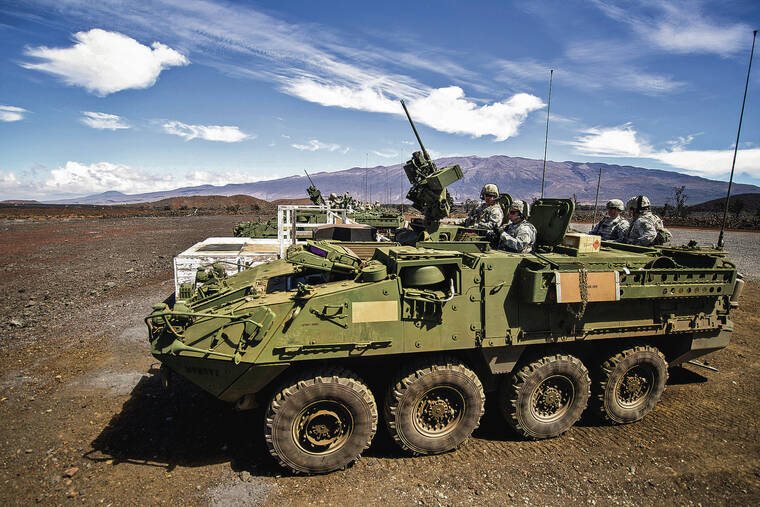
The ongoing dispute over the renewal of Army land leases around the Pohakuloa Training Area on Mauna Kea has intensified, with significant implications for Native Hawaiian sovereignty. The current leases are set to expire in 2029. Hawaiian activists have gained momentum in their opposition to the military presence, particularly following a recent victory when the state Land Board rejected the Army’s environmental impact statement for continued use of the area.
This situation is a continuation of a long history of struggles surrounding Native Hawaiian rights and sovereignty. Previous attempts to secure rights, such as the failed Akaka Bill, encountered obstacles due to disagreements on timelines and provisions. Notably, one draft of this bill faltered when a requirement was introduced to finalize details within a 20-year period. A Hawaiian activist expressed that “it takes as long as it takes,” highlighting a cultural perspective that prioritizes long-term efforts over immediate results.
As the Army seeks to renew its leases by the end of this year, tensions are rising. The military views the land as crucial for training operations, especially in light of potential conflicts with China. Governor Josh Green has indicated that the Army is considering seizing the land through condemnation, a move that raises concerns given the Trump administration’s previous actions regarding federal authority.
In an effort to expedite negotiations, Governor Green is advocating for a deal that could potentially deliver $10 billion in federal benefits to Hawaii. These benefits would encompass funding for housing, clean energy initiatives, rail infrastructure, health care, and environmental protection. However, skepticism remains regarding the feasibility of such a deal, particularly given the Trump administration’s trend toward budget cuts in these areas.
The governor believes that a negotiated settlement could mitigate protests over lease renewals. Yet, history shows that the administration has not hesitated to deploy military and National Guard forces to quell demonstrations, especially in states with Democratic leadership. Activists continue to voice their concerns, with many criticizing the proposed settlement, even after the governor appointed a committee mainly composed of respected Native Hawaiians to guide the negotiation process.
Kai Kahele, the ambitious chair of the Office of Hawaiian Affairs, is actively involved in the discussions. His agency is conducting public meetings and lobbying Congress to ensure Native Hawaiian participation in the lease negotiations. The urgency of the situation is compounded by the Army’s firm deadline, intensifying the struggle between the military’s demands and the rights of Native Hawaiians.
While the Army might possess the resources and authority to expedite the lease renewal process, Hawaiian activists have demonstrated a long-standing commitment to their cause. Their fight began with protests against bombing on Kahoolawe in the 1960s and continues today, reflecting a deep-rooted belief that their struggle for sovereignty will ultimately prevail. The outcome of this latest confrontation remains uncertain, yet the resilience of the activist community suggests that they will continue to push for their rights, regardless of the challenges ahead.
As the negotiations unfold, both sides face a complex landscape of legal, cultural, and political factors that will shape the future of the Pohakuloa Training Area and the broader issue of Native Hawaiian sovereignty.