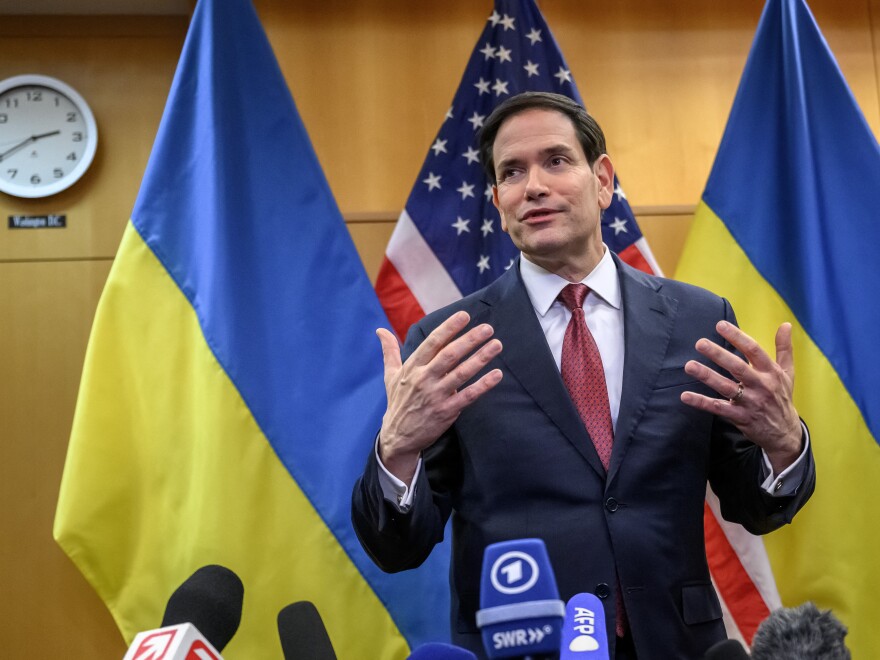
U.S. Secretary of State Marco Rubio expressed optimism regarding progress in negotiations between Russia and Ukraine. This follows a meeting in Geneva on March 12, 2025, where U.S. and Ukrainian officials discussed a new peace initiative put forth by former President Donald Trump. The peace plan, which includes 28 points, has a deadline of March 14 for Ukraine to respond. While some European leaders have voiced skepticism, asserting that the plan requires further development, the U.S. administration is pushing for a swift resolution to the ongoing conflict.
In a surprising political move, Marjorie Taylor Greene, a Republican Congresswoman from Georgia, announced her resignation from Congress, effective January 5, 2025. Greene, who initially gained prominence as a staunch ally of Trump, has recently criticized him for straying from his political agenda. Her abrupt decision adds to the uncertainties within the Republican Party as it navigates its future direction.
Tensions in the Middle East have also escalated, with both Israel and Hamas accusing each other of violating a ceasefire agreement that has been in place for over six weeks. On March 12, Israel launched an airstrike in Beirut, targeting a Hezbollah commander for the first time since June 2024, raising concerns about the stability of the region and the potential for renewed conflict.
As the global landscape shifts, the implications of these developments are far-reaching. The peace talks between Russia and Ukraine could signal a pivotal moment in international relations, while Greene’s resignation reflects ongoing upheaval within U.S. politics.
The economic climate remains a pressing concern, particularly in the context of rising costs. A recent series by NPR titled “Cost of Living: The Price We Pay” has been examining the factors driving price increases across various sectors. Over the past three decades, the average tuition for four-year colleges has roughly doubled when adjusted for inflation. Although many families benefit from financial or merit aid, the net price of college is still significantly higher than it was two decades ago, prompting questions about the sustainability of educational costs.
In addition, NPR’s “Living Better” series highlights health challenges facing many Americans. Hair loss, affecting approximately half of women at some point in their lives, is addressed through various remedies, though not all solutions work for every individual. The series aims to provide valuable insights and support for those navigating these issues.
As the political and economic landscapes evolve, staying informed is crucial. Readers are encouraged to share their experiences regarding the impact of rising costs on their lives, contributing to a broader understanding of the current situation.