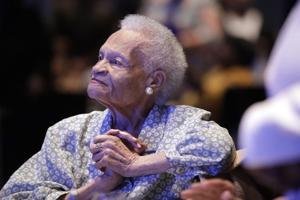
Viola Fletcher, a survivor of the 1921 Tulsa Race Massacre, passed away at the age of 111 on June 23, 2023. Her death marks a significant moment in history, as Fletcher was among the last living witnesses of one of the deadliest incidents of racial violence in American history. Following her passing, Lessie Randle, who is currently 110 years old, remains the last known survivor of the massacre that devastated the Greenwood District of Tulsa, Oklahoma.
Fletcher was just a child when the massacre occurred, during which a white mob attacked the prosperous Black community of Greenwood. The violence left an estimated 300 people dead and destroyed thousands of homes and businesses. For decades, the tragic events were largely unrecognized, but Fletcher dedicated her later years to ensuring that the memory of the massacre was preserved and acknowledged. She often spoke publicly about her experiences, highlighting the trauma endured by her community.
In her testimony before Congress in May 2021, marking the centennial of the massacre, Fletcher urged lawmakers to provide reparations for the survivors and their descendants. Her poignant words during that hearing resonated with many: “I still see Black men being shot, Black bodies lying in the street. I still smell smoke and see fire.” Fletcher’s advocacy played a crucial role in raising awareness about the historical injustices faced by the Black community in Tulsa and beyond.
Fletcher’s passing is a profound loss not only for her family but also for the broader movement seeking justice and recognition for the victims of the Tulsa Race Massacre. Organizations such as the John Hope Franklin Center for Reconciliation and the Tulsa Race Massacre Commission have continued to work towards educating the public and ensuring that the events of 1921 are honored and remembered.
As the last known survivor, Randle now carries the weight of history, representing the voices of those who can no longer speak. The community, along with national and local leaders, continues to reflect on Fletcher’s legacy and the importance of addressing the ongoing impacts of systemic racism and violence.
Fletcher’s life spanned more than a century, a time marked by profound changes in society and civil rights. Her commitment to justice and remembrance serves as a powerful reminder of the resilience of the human spirit in the face of adversity.
In the wake of her death, many pay tribute to her remarkable life and the lessons she imparted. As the world remembers Viola Fletcher, it is essential to honor her call for justice and the need for continued dialogue around racial equity and historical reconciliation.