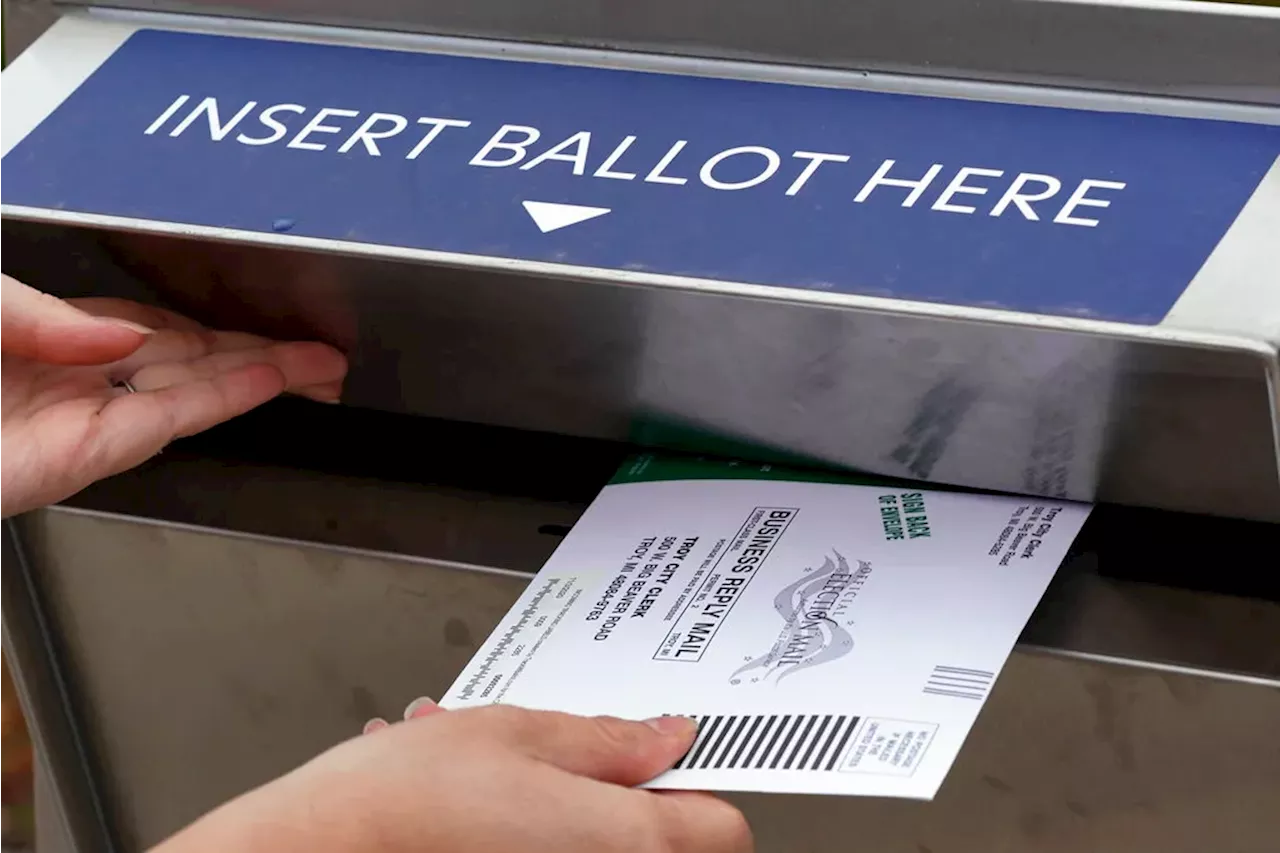
A lawsuit filed by the Republican National Committee (RNC) on November 18, 2024, against Michigan Secretary of State Jocelyn Benson seeks to challenge her recent directive regarding voting eligibility. The RNC claims that Benson’s actions violate the Michigan Constitution by permitting individuals with ties to the state, but who do not reside there, to vote in its elections.
The controversy stems from Benson’s directive that allows citizens with a parent, legal guardian, or spouse who last resided in Michigan to register and vote, even if they have never lived in the state themselves. The lawsuit argues that this policy has resulted in non-residents being registered and participating in Michigan’s state, local, and federal elections, undermining the integrity of the electoral process. “So the Secretary of State’s guidance is both unconstitutional and unlawful,” the lawsuit contends.
The RNC’s legal action is not an isolated incident; it marks the second lawsuit targeting Benson’s voting rules. The first complaint was lodged in October 2024, shortly before the presidential election. That suit also cited violations of Article 2 of the Michigan Constitution, which mandates that a voter must have resided in the state for at least six months prior to casting a ballot.
In response to the allegations, Benson has defended her approach, arguing that it expands access to voting for individuals with legitimate connections to Michigan. The RNC, however, asserts that Benson’s directive circumvents the authority of the state legislature and hinders their ability to enact laws aimed at preserving electoral integrity.
The lawsuit has sparked a broader discussion regarding voting regulations and the balance between accessibility and security within the electoral framework. Berry, who joined the RNC in filing the lawsuit, emphasizes that the court must determine whether election officials are, and will continue to be, subject to the Secretary’s directives.
To further complicate matters, political analysts have noted that a significant portion of voters living abroad tend to align with the Democratic Party. Bruce Heyman, a former Democratic National Committee strategist and U.S. ambassador to Canada, highlighted that approximately 80% of Americans abroad typically vote Democratic.
As the legal battle unfolds, the implications for Michigan’s electoral process and future voting regulations remain uncertain. Both supporters and critics of the directive are closely monitoring the situation, recognizing its potential impact on the upcoming elections.
The RNC’s lawsuit underscores ongoing tensions surrounding election integrity and voter access, as legal challenges continue to shape the landscape of American voting rights.