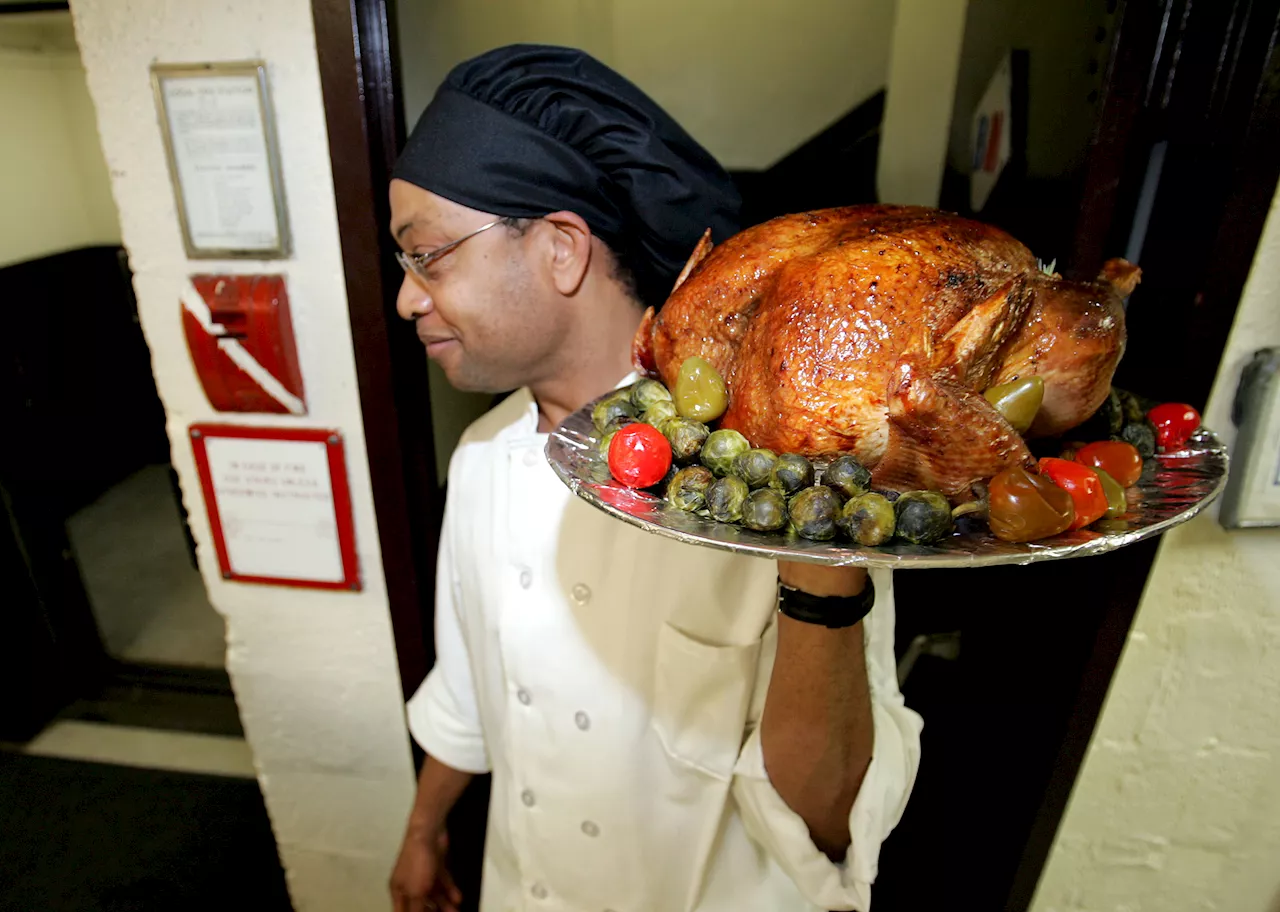
Thanksgiving poses unique challenges for individuals concerned about heart health, as traditional feasts often include rich and calorie-dense dishes. Experts, including registered dietitians and cardiologists, emphasize the importance of making mindful choices to enjoy the holiday while prioritizing cardiovascular well-being.
This year, on November 23, 2024, celebrations will take place in homes across the globe, but those with heart health concerns might find themselves navigating a minefield of dietary decisions. The key to a heart-healthy Thanksgiving lies in strategic planning, making smart ingredient swaps, and incorporating physical activity.
Making Healthier Choices at the Dinner Table
Turkey is often the centerpiece of a Thanksgiving meal and is recognized as a lean protein source. Jen Messer, president of the New Hampshire Academy of Nutrition and Dietetics, underscores the benefits of turkey breast. Its low-fat content makes it suitable for individuals monitoring their cholesterol and overall heart health.
To create a balanced plate, Dr. Ramy Sadek, a board-certified cardiologist at UCR Health in Riverside, California, recommends a simple approach. He suggests filling half the plate with vegetables, a quarter with turkey, and the remaining quarter with starches. This method encourages moderation without strict restrictions. Additionally, using smaller plates can help with portion control, and taking a moment before serving seconds can promote mindful eating.
Ingredient swaps can significantly impact a meal’s health profile. For instance, using whole-grain bread instead of white bread for stuffing reduces saturated fat, while substituting olive oil for butter can further lower unhealthy fats. Additionally, selecting low-sodium ingredients is essential for managing sodium intake during festive meals. For example, choosing a sweet potato casserole over traditional mashed potatoes offers a more nutritious alternative.
Prioritizing Overall Wellness
Beyond the main feast, breakfast and post-meal activities play crucial roles in maintaining heart health. Skipping breakfast to “save room” for the Thanksgiving meal is not recommended. Instead, a light breakfast can help regulate blood sugar levels, contributing to overall well-being.
After the meal, many might be tempted to relax. However, a brief walk of just 10 to 15 minutes can enhance digestion and help manage post-meal blood sugar levels. Staying hydrated is also vital; drinking plenty of water can help offset sodium intake. Furthermore, individuals should make sure to take any prescribed heart medications as directed.
Moderation in alcohol consumption is another important consideration. Excessive alcohol can lead to elevated blood pressure, which poses additional risks for those with heart concerns.
In summary, Thanksgiving can be celebrated in a heart-healthy manner through thoughtful planning and mindful choices. With the guidance of healthcare professionals, individuals can indulge in traditional meals while safeguarding their cardiovascular health.
In unrelated news, a series of incidents have raised concerns in various communities. In Cache County, two teenagers lost their lives in a tragic car crash, as reported by local authorities. Additionally, Danielle Staley, a woman missing for two weeks, was found safe, providing relief to her family and friends. These events highlight the importance of community safety and well-being during the holiday season, reminding us that while we gather to celebrate, vigilance remains essential.