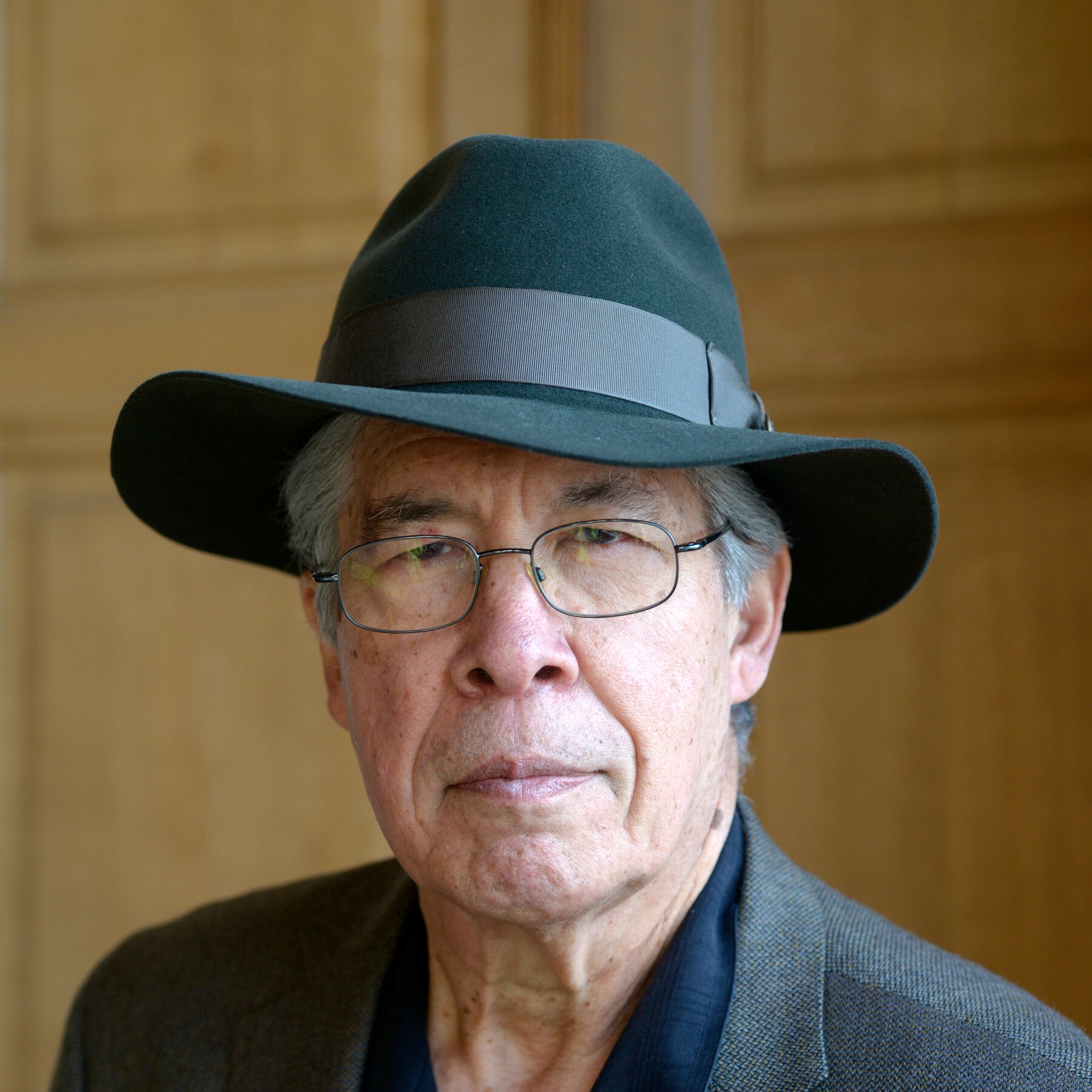
Canadian author Thomas King has announced that he does not possess Indigenous ancestry, a revelation that has left him feeling “ripped in half.” Known for his extensive contributions to literature focusing on Indigenous experiences and stories, King’s discovery has raised questions about identity and heritage.
In a candid statement, King expressed his deep emotional response to learning that his lineage does not include Indigenous roots. “I feel like I am losing something I never had,” he said, reflecting the profound impact this information has on his personal and professional life. The 79-year-old writer has spent decades advocating for Indigenous voices, weaving their narratives into his acclaimed works.
King’s announcement comes as a shock to many in the literary community, where he has been celebrated for his insightful portrayals of Indigenous culture. His books, including the award-winning The Inconvenient Indian, have played a significant role in shaping discussions around Indigenous rights and representation in Canada and beyond.
Impact on Identity and Community
The revelation has ignited discussions about identity, belonging, and the complexities of cultural representation. Many are questioning the implications of a non-Indigenous person writing about Indigenous experiences. King himself acknowledged this complexity, stating that he has always sought to honor Indigenous stories while recognizing his own position as an outsider.
In recent years, the conversation around cultural appropriation has intensified. Critics have called for greater authenticity in storytelling, advocating for Indigenous authors to take the lead in narrating their own experiences. King, through his work, has often stood at the intersection of these discussions, championing Indigenous narratives while navigating his own identity.
As King reflects on his journey, he emphasizes the importance of listening to Indigenous voices. “My role has always been to amplify those stories,” he stated. He remains committed to supporting Indigenous authorship and hopes this revelation will encourage deeper conversations about cultural identity.
A Legacy of Advocacy
Throughout his career, King has received numerous accolades, including the Governor General’s Award for Fiction and the Order of Canada. His literary contributions have not only highlighted Indigenous issues but have also fostered greater understanding among non-Indigenous readers.
Despite the personal turmoil that this recent revelation has caused, King intends to continue his advocacy. He believes in the power of storytelling as a means to bridge cultural divides and promote understanding.
As the literary community processes this news, King’s situation serves as a catalyst for broader conversations about identity and representation. It highlights the need for ongoing dialogue about who gets to tell which stories and the importance of authenticity in those narratives.
In the end, King’s journey underscores the complexity of identity in a multicultural world. His commitment to Indigenous storytelling remains unwavering, and he hopes to inspire others to engage with these vital narratives.