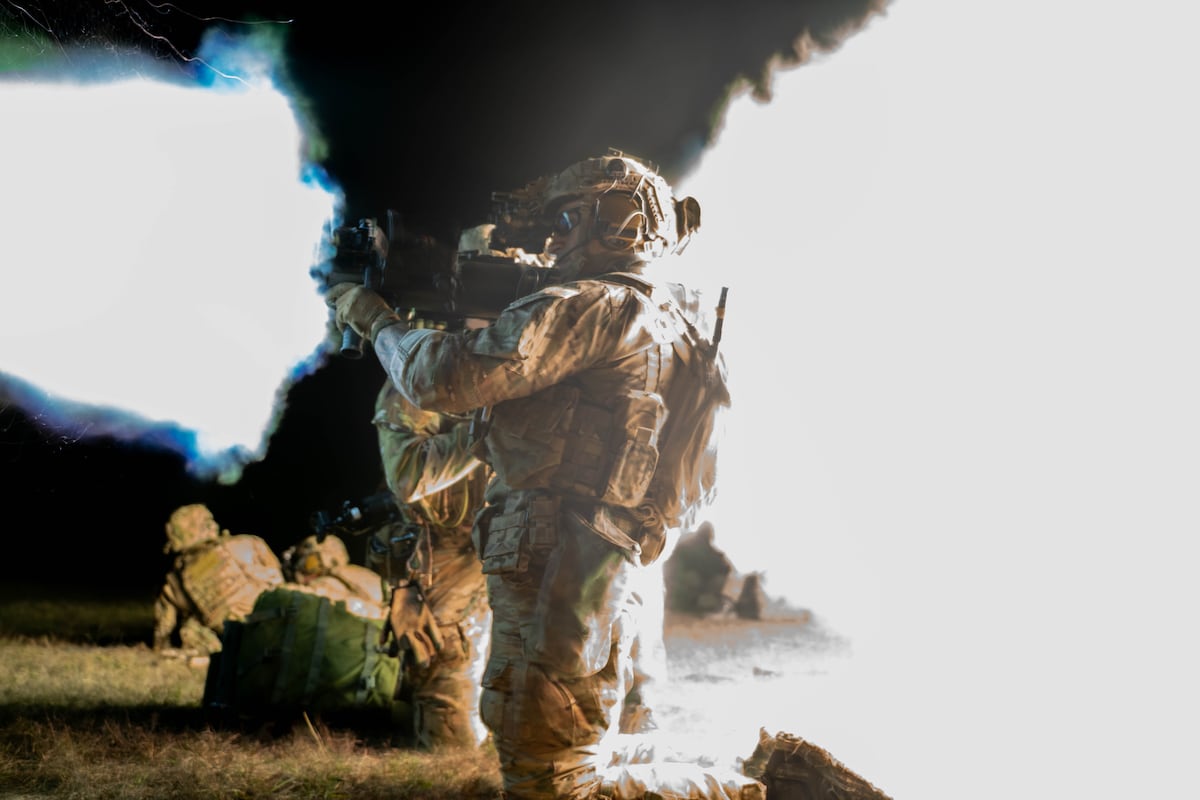
Research into traumatic brain injuries (TBI) has largely overlooked the specific impacts on special operations forces (SOF), according to a recent study by the Rand Corporation. The report highlights a significant gap in the understanding of TBI prevalence and treatment among SOF personnel, who face a heightened risk of blast exposure compared to other military members.
The Rand study, published earlier this month, indicates that while more than 500,000 military personnel have been diagnosed with a service-related TBI since 2000, research focused on SOF remains limited. Out of 480 studies reviewed from 2015 to 2025, only seven specifically addressed SOF, while 14 included them in broader samples. This lack of targeted research raises concerns about the adequacy of care for these elite units.
The report emphasizes that SOF personnel experience higher rates of blast exposure and repetitive neurological stress during both combat and training. Despite the risks, there has been insufficient research addressing TBI identification and treatment among airmen, sailors, and National Guard troops, who also face elevated risks.
Since 2015, over $2.1 billion has been allocated for TBI research, according to the U.S. Department of Defense. Yet, existing studies often focus on diagnosing TBI rather than exploring the specific conditions that lead to these injuries. For example, the report notes a lack of correlation studies examining injury characteristics such as blast pressure and soldier positioning.
Research Gaps and Emerging Findings
Additional findings from other institutions reinforce these concerns. A 2024 study by the University of South Florida found that repeated exposure to low-level blasts is linked to signs of brain injury in SOF personnel. This highlights the importance of understanding the unique challenges faced by this group.
Moreover, the Rand report delineates a divide in TBI research between short- and long-term effects. Short- to medium-term studies tend to report general neurological symptoms like pain and balance issues, while longer-term research delves into neurodegenerative conditions such as Alzheimer’s disease and chronic traumatic encephalopathy (CTE). This division complicates comprehensive understanding and treatment of TBI.
Research into comorbidities has explored connections between TBI and conditions such as post-traumatic stress disorder, but has largely neglected other significant factors, including substance abuse and audio-visual problems. The report indicates a similar lack of focus on rehabilitation strategies for long-term care, leaving many patients without effective recovery pathways.
Need for Comprehensive Care
Despite these shortcomings, the report acknowledges some advancements in military TBI research over the past decade. Substantial investments have improved imaging techniques and enhanced understanding of comorbidities, including PTSD and depression. These developments underscore a growing scientific recognition of how TBI interacts with broader neurological and psychological health challenges.
Nevertheless, the report warns that there remain significant gaps in both understanding and treating TBIs. Progress in this area is critical to advancing prevention, refining diagnosis, improving treatment, and facilitating long-term recovery for service members and veterans.
The Rand Corporation concludes that addressing these gaps is essential to ensure that military personnel receive the care and support they deserve, emphasizing that scientific advancement alone will not suffice. Enhanced research tailored to the specific needs of SOF and other high-risk groups is crucial for effective intervention and rehabilitation.