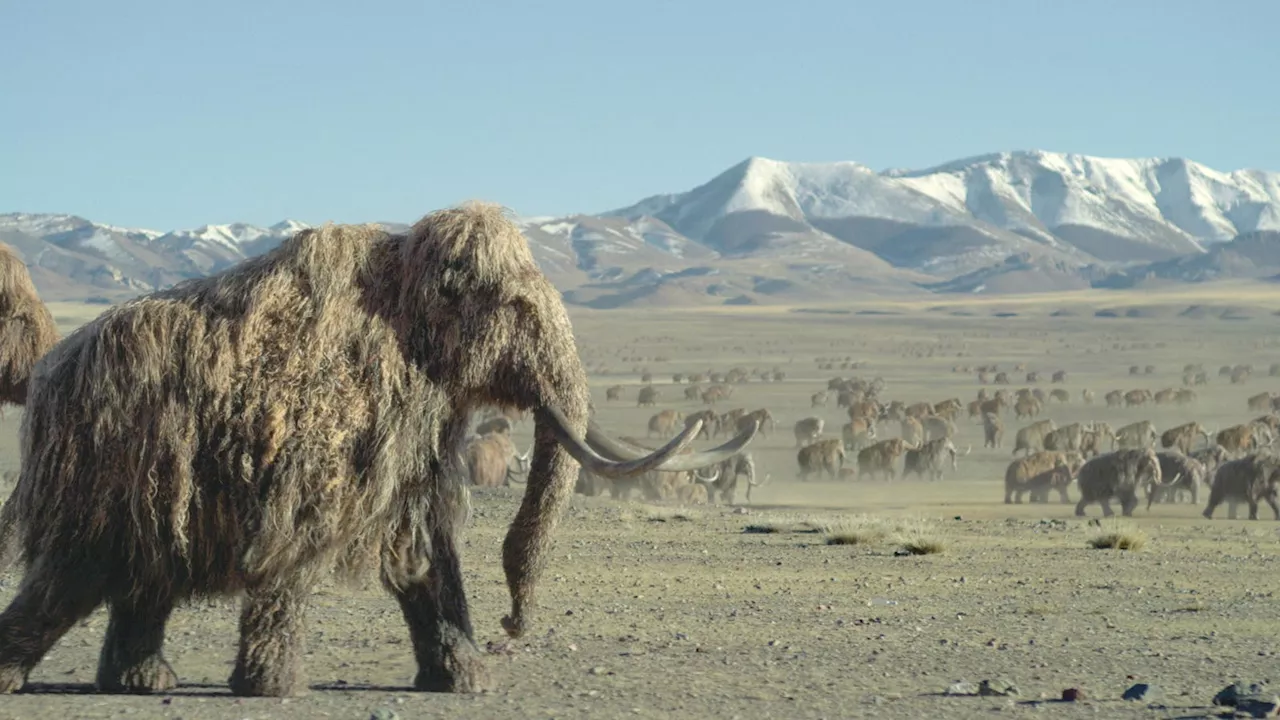
The new series, Prehistoric Planet: Ice Age, now streaming on Apple TV+, utilizes advanced technology to recreate the Pleistocene era, bringing to life iconic Ice Age creatures such as woolly mammoths and dire wolves. This five-part series marks a significant evolution for the franchise, transitioning from the age of dinosaurs to a time when humans coexisted with remarkable megafauna.
Innovative Storytelling in the Pleistocene Era
Launching on November 26, 2023, Prehistoric Planet: Ice Age presents a dynamic portrayal of a world characterized by climate fluctuations, mass migrations, and diverse ecosystems. Executive producer Mike Gunton highlights the intent behind choosing this tumultuous period in Earth’s history, stating, “This great turmoil was going on… nature was having to respond in remarkable ways.”
The series not only captivates with its visual effects but also encourages viewers to draw parallels between the past and present. Gunton notes that the Ice Age featured drastic environmental shifts over thousands of years, while contemporary changes occur within mere decades. This context brings a subtle relevance to the series without overtly addressing current climate issues.
Cutting-Edge Technology Enhances Realism
At the heart of Prehistoric Planet: Ice Age is a commitment to authenticity, focusing on animal behavior rather than merely their biology. Episodes depict migrations, hunts, and seasonal changes, showcasing the lives of creatures like dwarf stegodons and short-faced kangaroos in their natural habitats. The production team employed an array of advanced techniques, including high-resolution photogrammetry, drone mapping, and biome simulations, to create realistic environments.
The series also integrates full-scale puppets, allowing animators to base their work on tangible models rather than abstract concepts. This approach creates a more immersive experience, effectively bridging the gap between digital animation and real-life behaviors.
Gunton elaborates on how the production’s unique needs sometimes instigated new scientific inquiries. Questions about the movement of a giant kangaroo or the climbing abilities of the marsupial lion, thylacoleo, prompted collaboration with researchers, ensuring that the series maintained a factual foundation despite its imaginative storytelling.
The seamless blend of real footage with CGI further enhances the viewer’s experience, creating a guessing game of what is real and what is digitally crafted. This technique grounds the narrative in familiar visuals, allowing audiences to connect more deeply with the content.
Ultimately, Prehistoric Planet: Ice Age serves as a narrative about adaptability and survival. It illustrates how ecosystems evolved in response to significant changes, reflecting themes relevant to today’s environmental challenges. By harnessing the latest technologies, the series not only entertains but also invites contemplation on the lessons of the past, emphasizing that the world’s ecosystems are continuously shifting in response to broader forces.
This season stands as a testament to how integrated technology can enrich storytelling in natural history, making the Ice Age feel immediate and relevant to contemporary viewers. As the series unfolds, it compels audiences to engage with the story of life on Earth and the ongoing impact of climate change, reminding us that the past is not merely history but a crucial part of our present and future.