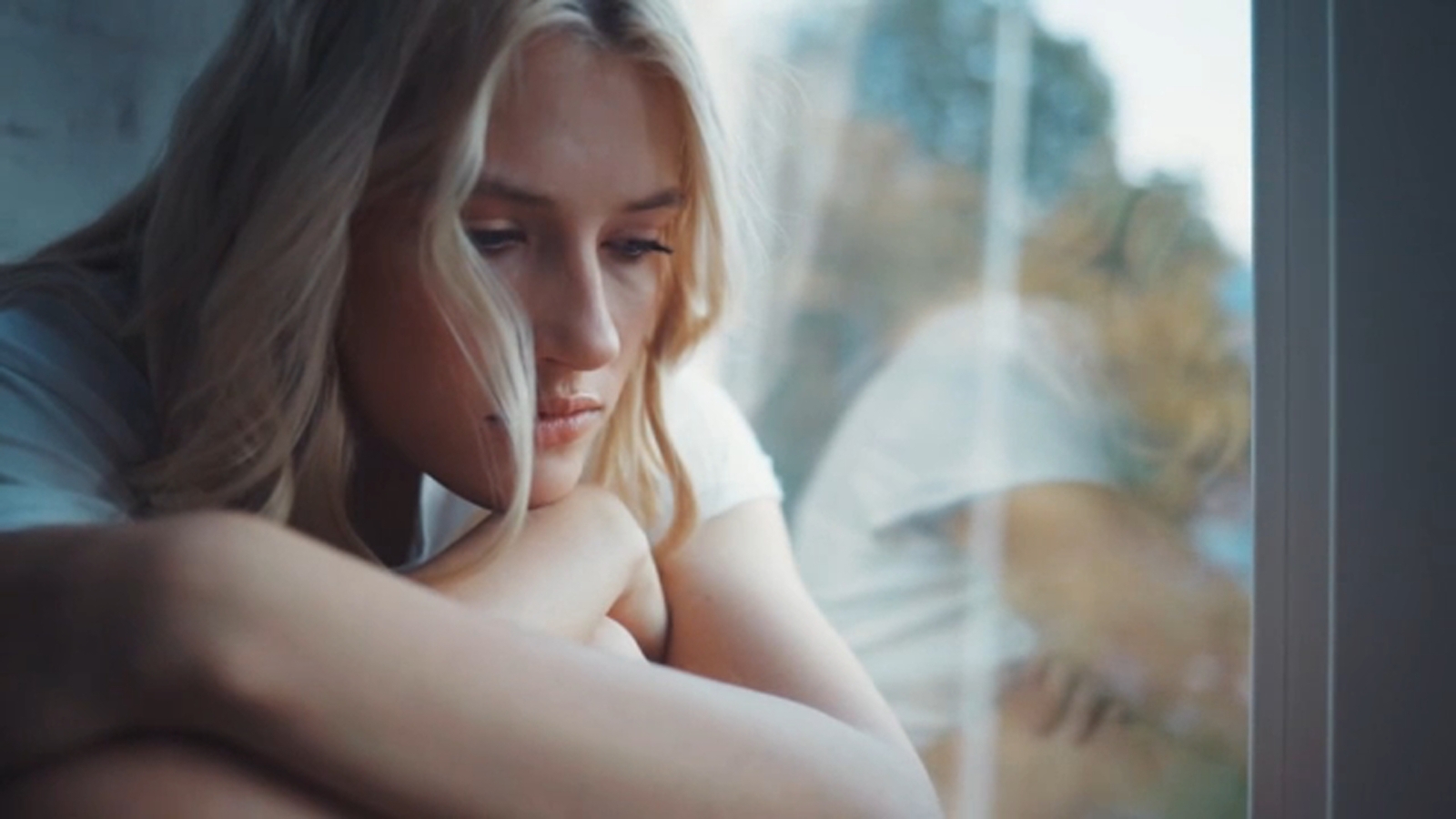
URGENT UPDATE: Health experts are sounding the alarm about the rising cases of Seasonal Affective Disorder (SAD) as fall progresses. With shorter days and diminishing sunlight, many individuals are facing heightened emotional challenges. Sarah Esparza, a licensed Marriage & Family Therapist at Kaiser Permanente Fresno, stresses that these seasonal changes can lead to significant mental health struggles, especially for those already dealing with anxiety or depression.
Recent studies indicate that approximately 5% of adults experience SAD, which typically surfaces in late fall or early winter. “The overwhelm, the disruption of schedules, it’s that kind of recipe for struggle and a difficult time,” Esparza explained. As daylight hours decrease, individuals may find it harder to access the coping mechanisms that usually help them manage their mental health.
Experts emphasize that simple interventions can make a significant difference. Increasing Vitamin D intake and utilizing light therapy are two effective strategies to combat the effects of SAD. However, Esparza highlights that maintaining a structured routine is crucial. “Trying to still do all the things that they’ve done throughout the rest of the year, still participating in their movement and their activity, getting out during the day when they can,” she advised.
In addition to physical activity, connection with friends and family plays a vital role in improving mood. “The interaction itself can increase those chemicals that relationally feel impactful for us,” Esparza noted, emphasizing the importance of social support during this challenging time.
If symptoms of SAD persist, health experts strongly recommend consulting with a healthcare provider to develop a personalized treatment plan. The need for proactive measures is more urgent than ever as we approach the winter months.
Stay informed about the latest developments in mental health by following updates from local news sources and health experts.