College athletic directors are actively discussing the potential for a significant shift in college sports, particularly concerning salary caps. Following six months into a new revenue-sharing era, the conversation has intensified as the second season of the 12-team College Football Playoff draws to a close.
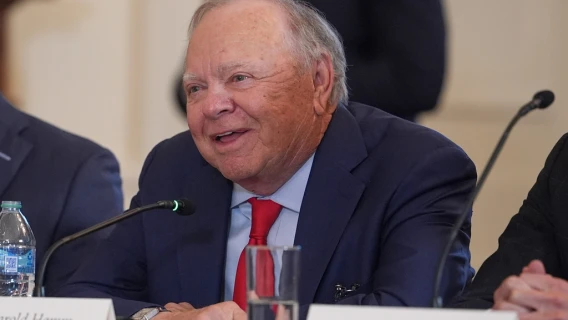
Among the key voices advocating for change is Dan Radakovich, the athletic director at the University of Miami. He and several of his peers are questioning the practicality of the current salary cap, which is set at $20.5 million. Their proposal aims to lift this cap, allowing for more financial flexibility in compensation for athletes.
Radakovich expressed his concerns about the existing model, stating, “The idea of capping compensation has never worked in this industry. The model we have right now is really difficult to enforce. People who feel like they want to invest should have the ability to invest.” This sentiment reflects a growing frustration among athletic directors regarding the limitations imposed by the current structure.
As college sports continue to evolve, particularly with increased revenue from Name, Image, and Likeness (NIL) agreements and a competitive transfer portal, the landscape has dramatically changed. Indiana, for instance, has positioned itself to compete at a high level, demonstrating that financial input can lead to higher performance outcomes.
Radakovich anticipates that if the salary cap is lifted, it could soar to between $30 million and $40 million, with the possibility of reaching $50 million in the near future. He acknowledged that in an uncapped system, wealthier programs would likely continue to outspend their rivals, raising concerns about competitive balance within college athletics.
The discussions among athletic directors reflect a broader trend in college sports where financial considerations are becoming increasingly paramount. As schools navigate the complexities of revenue generation and athlete compensation, the push for an uncapped salary structure could redefine the competitive landscape.
With the NCAA facing mounting pressure to adapt, it remains to be seen how these discussions will influence future policies. As the college sports community grapples with the implications of such changes, the call for reform underscores a pivotal moment in the history of intercollegiate athletics.