California is set to implement nearly 800 new laws starting in 2026, significantly impacting various sectors, including wages, environmental practices, and healthcare. Among the most notable changes are an increase in the minimum wage and a ban on single-use plastic bags at checkout.
Plastic Bag Ban and Minimum Wage Increase
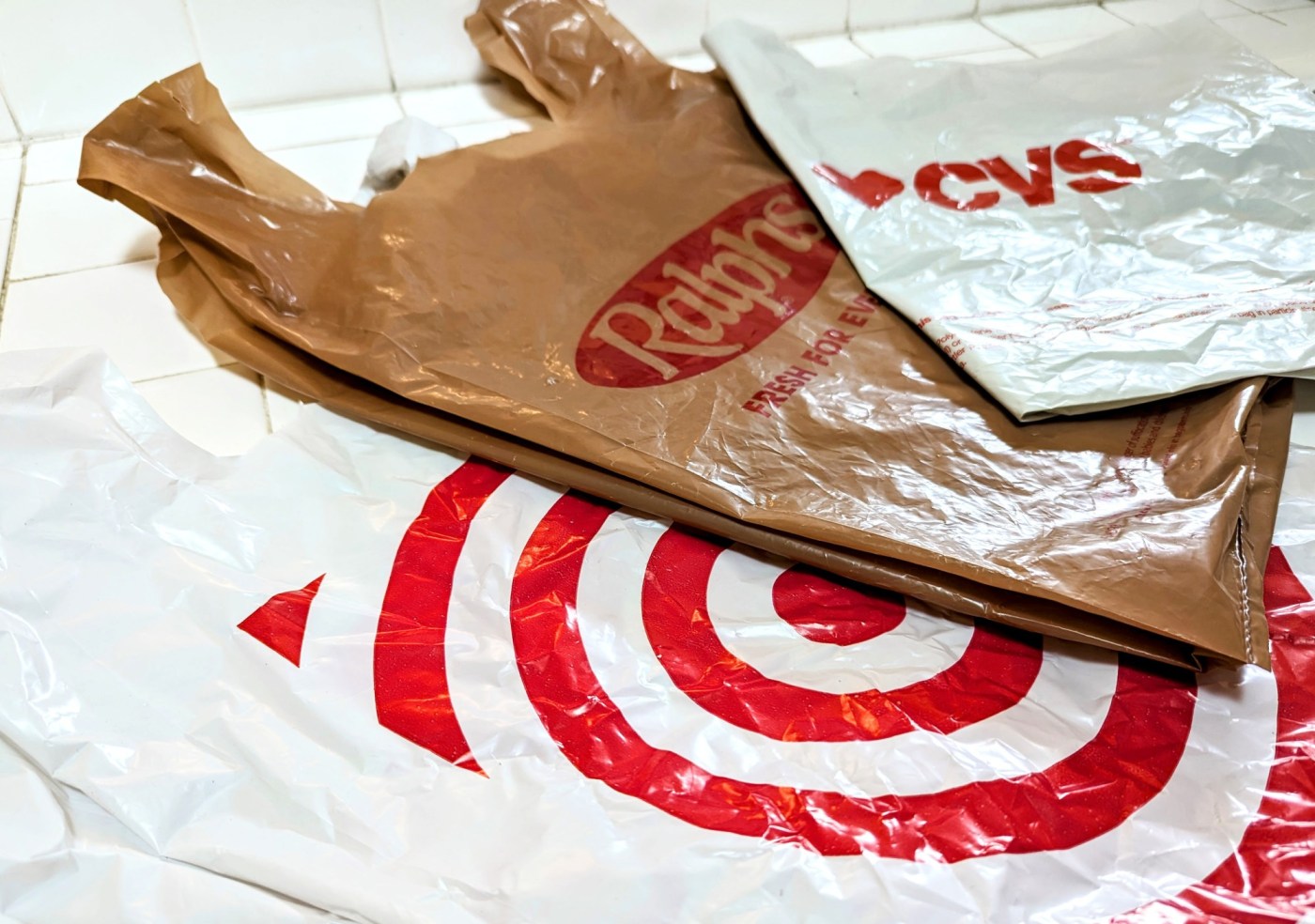
Effective January 1, 2026, California’s Senate Bill 1053 will close a loophole that allowed thicker plastic bags to remain in circulation. This initiative aims to further reduce plastic waste following the initial ban on single-use plastic bags in 2014. Local governments have shown strong support for the bill, emphasizing the need for more sustainable practices.
At the same time, the state’s minimum wage will rise by 40 cents, bringing it to $16.90 per hour. Another significant change under Senate Bill 648 mandates that employers must pay full credit card tips by the next payday and prohibits them from deducting credit card processing fees. This law enhances enforcement against tip theft, empowering the Labor Commissioner to issue citations and fines as necessary.
Healthcare and Food Safety Initiatives
California will also introduce important health regulations, including a cap on out-of-pocket insulin costs. Under Senate Bill 40, large insurers will limit costs to $35 for a month’s supply, with smaller insurers required to comply by 2027. The law also mandates coverage for essential supplies such as insulin pumps and testing tools.
In the realm of food safety, Senate Bill 68 will require restaurants with 20 or more locations to clearly display major food allergens on their menus, starting in July 2026. This initiative aims to enhance consumer awareness and safety.
Furthermore, Assembly Bill 578 will affect food delivery services, requiring apps like Uber Eats and Grub Hub to provide refunds for incorrect deliveries. The law will also mandate a more transparent customer service feature on these platforms.
Education and Housing Regulations
California’s educational landscape will see changes with the introduction of Assembly Bill 760, which requires all K-12 public schools to provide an all-gender bathroom at each site by July 1, 2026. Additionally, AB 3216 mandates that school districts establish policies to limit smartphone use among students by the same date. Also, starting in 2026, the CSU Direct Admission Program will automatically admit high school seniors who meet academic criteria.
In housing, a new law will obligate landlords to provide a functioning stove and refrigerator for leases signed or renewed from 2026 onward. If these appliances malfunction, landlords must repair or replace them. Moreover, Assembly Bill 246 will prevent evictions in cases where Social Security payments have been delayed or terminated through no fault of the tenant.
Changes in Crime and Policing Laws
Several measures aimed at enhancing public safety and justice will also take effect. Assembly Bill 250 creates a temporary two-year window for adult survivors of sexual assault to revive cases that were previously subjected to the statute of limitations. This law will be in effect from January 1, 2026, to December 31, 2027.
Additionally, Assembly Bill 379 addresses human trafficking by making it a misdemeanor to loiter for the purpose of purchasing sex. It also increases penalties for adults soliciting minors aged 16 and 17.
Under Senate Bill 627, police and federal agents will be prohibited from wearing masks while on duty starting in 2026, following legal challenges stemming from previous masked federal immigration enforcement actions. Moreover, SB 805 will require off-duty police officers to visibly display identification while performing enforcement activities.
These sweeping legislative changes reflect California’s commitment to social justice, environmental sustainability, and public health as the state moves forward into 2026.