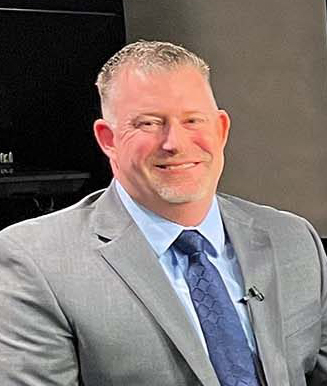
BOISE — Idaho’s State Public Defender, Eric Fredericksen, addressed the Joint Finance-Appropriations Committee on Wednesday, expressing concerns over proposed budget cuts that threaten to derail the progress made by his office. Established in 2023, the State Public Defender Office was created to respond to the longstanding lawsuit, Tucker v. State of Idaho, which aimed to reform the state’s public defense system by implementing a statewide approach instead of the previous county-by-county system.
Despite initial challenges, including the withdrawal of contracted attorneys from over 1,300 cases on the first day of the office’s operation, Fredericksen reported that the office has significantly improved its functioning. The vacancy rate has been reduced from 20% to 7%, demonstrating a positive trajectory. Nonetheless, the legal issues underlying the office’s formation remain unresolved, as the case awaits a ruling from the Idaho Supreme Court. The lawsuit, filed by the ACLU of Idaho and the law firm Hogan Lovells in 2015, alleges that Idaho’s public defense system fails to provide adequate legal counsel, violating the Sixth Amendment.
The Fourth Judicial District Court had previously dismissed the case, stating that if the new statewide system functions as intended, it would benefit all Idahoans. District Judge Samuel Hoagland indicated that if the promises of the new system are not upheld, a new lawsuit could arise should evidence of “widespread, persistent structural deficiencies” be presented. Fredericksen emphasized this point, warning, “That’s a warning if we don’t continue to fund the system that we have in place.”
The proposed cuts, if approved by the Joint Finance-Appropriations Committee (JFAC), could lead to a loss of millions of dollars for the public defender’s office between the current and next fiscal years. For the current fiscal year, a 4% holdback would result in a loss of $1.7 million, while an anticipated 5% holdback for 2027 could remove an additional $2.2 million, which includes a $915,000 reduction in personnel costs, according to the Legislative Services Office documents.
Senator Melissa Wintrow, D-Boise, raised concerns regarding the implications of these cuts on both the ongoing lawsuit and the viability of public defense in Idaho. Fredericksen stated that while the department could manage the current fiscal year’s cuts “without issue,” larger reductions for the next fiscal year present significant uncertainties. He noted that training programs for public defenders may shift to online formats, and some specialized training, such as out-of-state programs for DUI cases, would no longer be affordable.
Fredericksen’s primary concern is the potential reduction in contracted attorneys, who play a critical role in managing overflow cases and ensuring that public defender workloads remain manageable. “When these contractors are cut, caseloads will rise. When this increase becomes unsustainable, we will start losing attorneys,” he said.
Additionally, with personnel funding cuts looming, Senator Scott Grow, R-Eagle, inquired about the disparity in pay between public defenders and their prosecutorial counterparts. Fredericksen responded, “The criminal justice system only works when both sides are equally compensated.” He pointed out that Idaho public defenders currently earn less than prosecutors in Ada County and those in the Attorney General’s office. He highlighted that county commissioners across the state have already increased salaries for their prosecutors, urging that the state must take similar steps to ensure an effective justice system.
The discussion surrounding these budget cuts underscores the ongoing challenges faced by Idaho’s public defense system, which is still in its early stages of implementation. As the state navigates these financial hurdles, the future of adequate legal representation for those relying on public defenders remains uncertain.