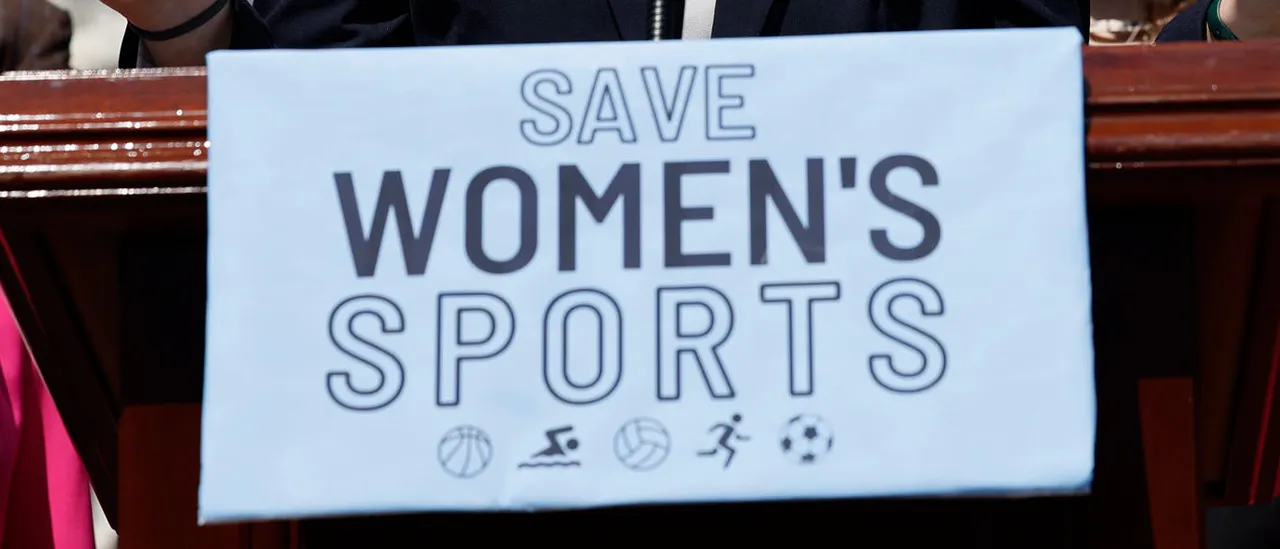
The International Olympic Committee (IOC) is reportedly considering a policy that would prohibit biological males from competing in women’s sports, potentially ahead of the 2026 Winter Olympics in Milan. This development marks a significant shift in the ongoing debate surrounding gender identity and sports participation. Supporters view this as a promising step towards addressing concerns about fairness in women’s athletics.
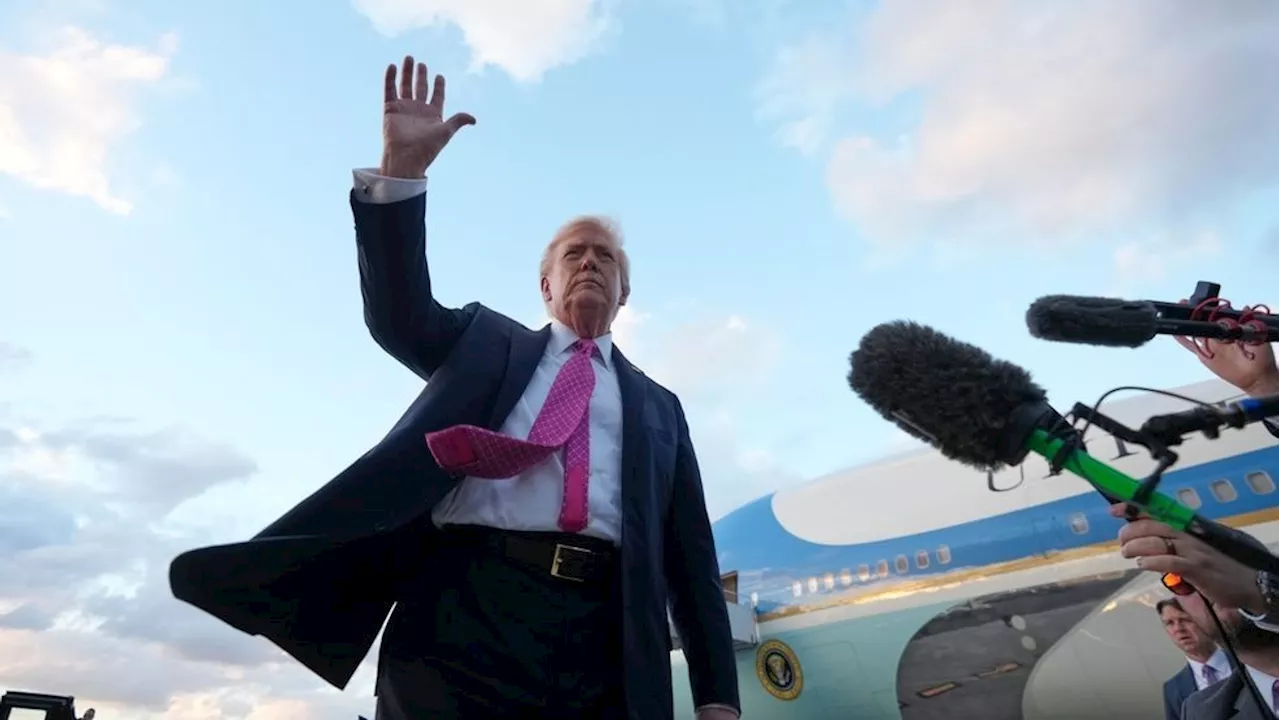
Following an executive order signed by former President Donald Trump in March 2025, which banned biological males from participating in women’s sports, the U.S. Olympic Committee aligned its policy accordingly. Several leading countries have already ruled against allowing biological males into female competitions, indicating a growing consensus on this issue among international sports bodies.
The recent trend has sparked a broader discussion on the implications of transgender policies within education and sports. In a survey conducted by Axios, numerous prominent progressive politicians declined to provide a clear answer when asked if a man can become a woman, with one politician flatly stating “no.” This hesitance reflects a potential shift away from previously unchallenged narratives.
Despite this evolving landscape, a significant number of U.S. educators appear reluctant to abandon the prevailing ideology surrounding gender identity. According to reports, some educators are willing to violate state laws, including Title IX, to grant biological males access to female sports and facilities.
Undercover footage released by Accuracy in Media (AIM) in early 2025 highlighted troubling practices in Ohio school districts. Administrators were seen discussing ways to circumvent state laws that prohibit boys from joining female sports teams or using facilities designated for girls. One staff member stated, “In my opinion, if we’re enrolling as a female, she plays sports as a female,” suggesting a willingness to overlook biological sex in favor of identity.
In another Ohio district, an employee indicated that school staff would allow students to misrepresent their biological sex to participate on girls’ teams. “There’s a weird kind of culture where it’s almost like a ‘don’t ask, don’t tell,’” the official noted, revealing a culture of complicity that undermines both legal standards and the integrity of women’s sports.
These revelations prompted Protect the Public’s Trust (PPT) to file complaints with the Trump administration, arguing that schools are ignoring the rights of female students and violating both Ohio law and federal guidelines. The organization asserted that these actions demonstrate a “deliberate indifference to harassment.”
PPT has also targeted the Burlington School District (BSD) in Vermont for similar misconduct. The district’s educators were found attempting to circumvent federal laws that restrict the use of Diversity, Equity, and Inclusion (DEI) principles in hiring practices. By employing ambiguous language in their policies, these educators have tried to mask their compliance with DEI initiatives, which some argue are discriminatory.
Concerns about the proliferation of such ideologies in rural schools are significant. While the number of educators supporting discriminatory DEI practices may be lower in rural areas compared to urban districts, the issue remains pervasive. Many educators seem aligned with these trends, regardless of local community sentiments.
This ongoing situation raises critical questions about accountability and transparency within the education system. As more individuals begin to question the inclusion of biological males in women’s sports, the actions of school leaders who protect these policies could pose a long-term challenge.
Changing laws alone may not be sufficient to deter educators from supporting policies that endanger the integrity of women’s sports. Vigilance from the public is necessary to safeguard the rights of female athletes and to ensure that educational institutions adhere to established legal frameworks.
As the debate continues, it remains imperative for parents and community members to remain informed and engaged, particularly regarding how these policies affect the next generation. The future of women’s sports hinges on a balanced dialogue that respects both transgender rights and the fundamental principles of fair competition.