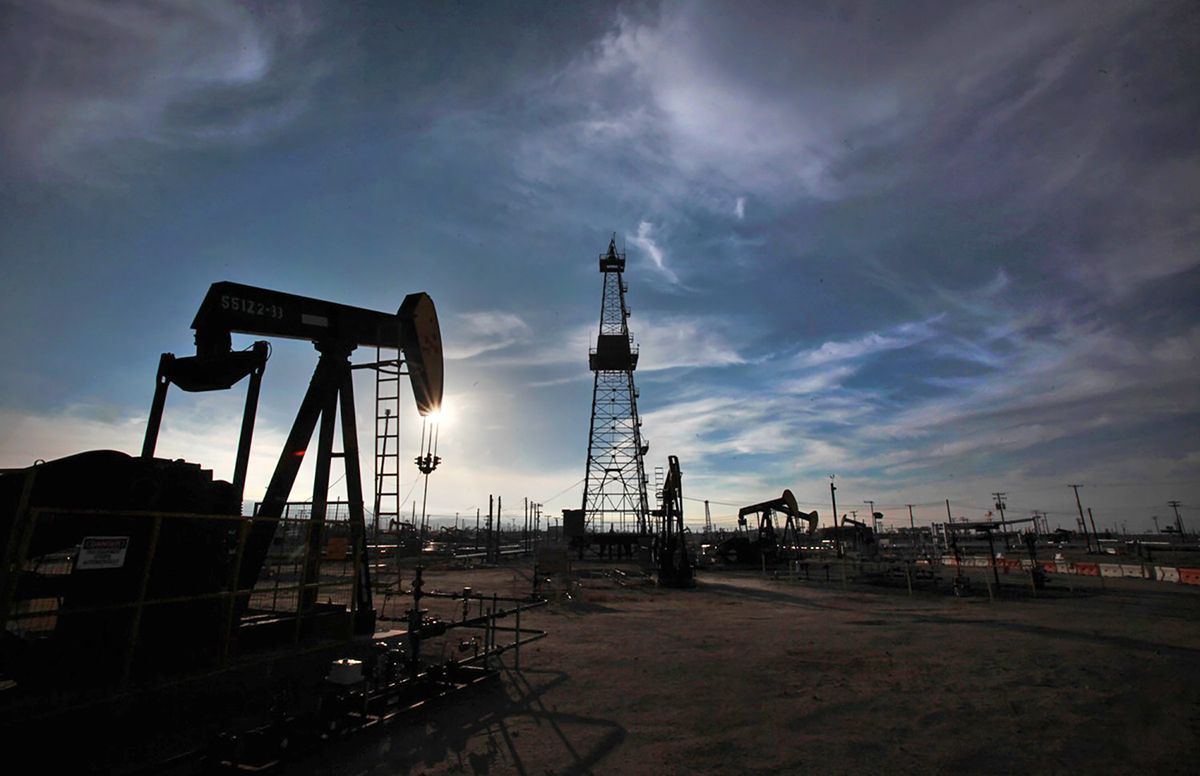
The political landscape is shifting for the Democratic Party, which faces a crucial decision regarding its stance on the oil and gas industry. As the party seeks to maintain and expand its influence in key states like North Carolina, Ohio, and Texas, a renewed support for domestic energy production may provide a viable pathway to both electoral success and environmental progress.
Historically, the Democratic Party had embraced an energy policy that included natural resources. In 2012, during Barack Obama’s re-election campaign, the party’s platform asserted that harnessing America’s natural resources could lead to a sustainable, energy-independent future. Yet, in recent years, there has been a pivot toward skepticism and resistance to the oil and gas sector. This shift became evident during the 2020 presidential campaign when Joe Biden promised to transition away from fossil fuels and limit new oil and gas leasing, although the industry has since rebounded.
The implications of this changing stance are significant. States like Pennsylvania and Ohio, which have traditionally leaned Democratic, are now at risk of being lost as the party distances itself from the oil and gas industry. According to recent analyses, these regions, along with Iowa and Florida, represent critical battlegrounds where Democrats must regain ground to secure a Senate majority.
A compelling case exists for Democrats to reconsider their approach. The economic benefits of the oil and gas sector are substantial. Natural resource extraction creates well-paying jobs and generates essential tax revenue. As the United States has become a net exporter of oil and natural gas, the positive impact on the economy is clear. With less reliance on foreign oil, national security also improves, reducing dependence on nations like Russia, Iran, and Venezuela.
Democrats could take a page from leaders in other countries. For instance, President Claudia Sheinbaum of Mexico and Prime Minister Mark Carney of Canada have managed to support their domestic oil and gas industries while pursuing environmental goals. This dual approach allows for a more balanced political strategy, addressing the needs of voters who prioritize economic stability alongside environmental concerns.
Environmental Considerations and Economic Realities
The argument for supporting the oil and gas industry also extends to environmental considerations. Center-left parties in other energy-rich nations do not view domestic production as inherently detrimental. Instead, they focus on reducing long-term consumption of fossil fuels and investing in cleaner technologies. American oil production, notably, is less carbon-intensive than that of many of its global competitors, making it a favorable option for both economic and environmental reasons.
It is essential for the oil and gas industry to engage meaningfully with climate science. Democrats can advocate for best practices, regulate methane emissions, and promote electrification of drilling operations. Collaborations with climate-conscious importing regions such as Japan and the European Union can further enhance the appeal of American oil on the global market.
The fossil fuel industry should not be seen as a villain, but rather as a necessary component of the current energy landscape. While alternatives like electric vehicles are gaining traction, the reality remains that there is no immediate substitute for fossil fuels in sectors like aviation and shipping. As new technologies develop, the focus should shift toward solving existing challenges rather than restricting production altogether.
Natural gas offers a particularly clear advantage. It serves as a cleaner alternative to coal and has played a significant role in reducing emissions in the United States. Encouraging foreign countries to utilize American gas instead of coal can lead to a substantial reduction in global emissions.
Political Strategy for Future Success
A pragmatic political strategy that acknowledges these realities could position Democrats for success in upcoming elections. Leaders in energy-producing states, such as New Mexico and Colorado, have effectively utilized oil and gas revenues to fund public services, including childcare and conservation efforts.
While some in the environmental movement argue against any new fossil fuel infrastructure, this perspective can undermine broader goals. The focus should be on adopting a balanced approach that considers both economic and environmental needs. Bipartisan negotiations aimed at permitting reform could facilitate the development of both renewable and fossil fuel infrastructure essential for a stable energy future.
In conclusion, a reconciliatory stance on oil and gas may not only bolster Democratic prospects in key states but also support a sustainable energy future. Acknowledging the importance of these industries while pursuing environmental goals can create a political landscape that addresses voter concerns about both economic stability and climate change. By embracing this dual strategy, Democrats can work towards lasting solutions that benefit all stakeholders involved.