The Trump administration, supported by a coalition of governors from northeastern states, is advocating for a significant electricity auction aimed at addressing rising power costs linked to the expansion of data centers operated by major technology firms. This proposed auction, overseen by PJM Interconnection, the largest electrical grid operator in the United States, would allow tech companies to bid on 15-year contracts for new electricity generation.
White House spokesperson Taylor Rogers emphasized the bipartisan nature of this initiative, stating, “Under President Trump’s leadership, the administration is leading an unprecedented bipartisan effort urging PJM to fix the energy subtraction failures of the past, prevent price increases, and reduce the risk of blackouts.” Rogers highlighted that securing affordable and reliable electricity for the American public remains a top priority for President Trump, and this auction could provide essential long-term relief for the Mid-Atlantic region.
While the administration seeks to move forward with this plan, PJM has indicated it was not informed in advance. In a statement, the company remarked, “Apparently they will make an announcement. We have not been invited and will not be there.” PJM’s service area encompasses thirteen states and the District of Columbia, underscoring the importance of its role in the nation’s power infrastructure.
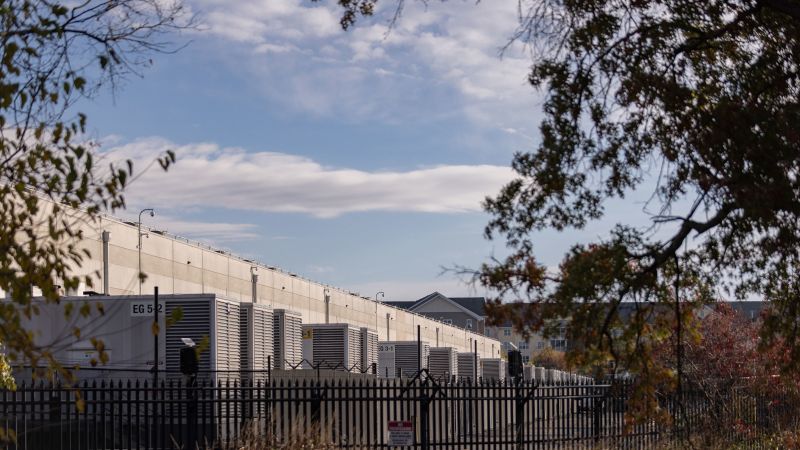
The demand for electricity has surged in states like Virginia, which is experiencing a data center boom driven by artificial intelligence advancements. This surge is straining the interconnected grid, leading to significant increases in energy costs. For instance, Virginia’s largest utility has announced a rate increase of approximately 9%, while New Jersey residents have seen utility bills rise by over 20% this year.
The rapid construction of data centers across the United States has resulted in mounting financial pressure on consumers, who are increasingly shocked by rising electricity bills. These facilities consume vast amounts of power, leading to concerns about environmental impacts and potential job displacement due to automation.
In response to the rising costs, President Trump has hinted at forthcoming plans to work with major technology companies to ensure that the burden of increased power consumption does not fall on American consumers. In a post on Truth Social, he stated, “Therefore, my Administration is working with major American Technology Companies to secure their commitment to the American people, and we will have much to announce in the coming weeks to ensure that Americans don’t ‘pick up the tab’ for their power consumption, in terms of higher utility bills.”
Certain tech companies are already taking proactive steps to address these challenges. For example, Microsoft has expressed its willingness to accept higher electricity rates in areas where it is establishing new data centers. The company has also committed to covering the costs associated with upgrading and expanding the electricity infrastructure needed to support these facilities.
The outcome of this initiative remains to be seen, but the collaboration between government leaders and the tech industry highlights a pressing need to balance technological growth with the realities of power consumption and its associated costs. The proposed auction could pave the way for a more sustainable approach to electricity generation and consumption in the face of increasing demand.