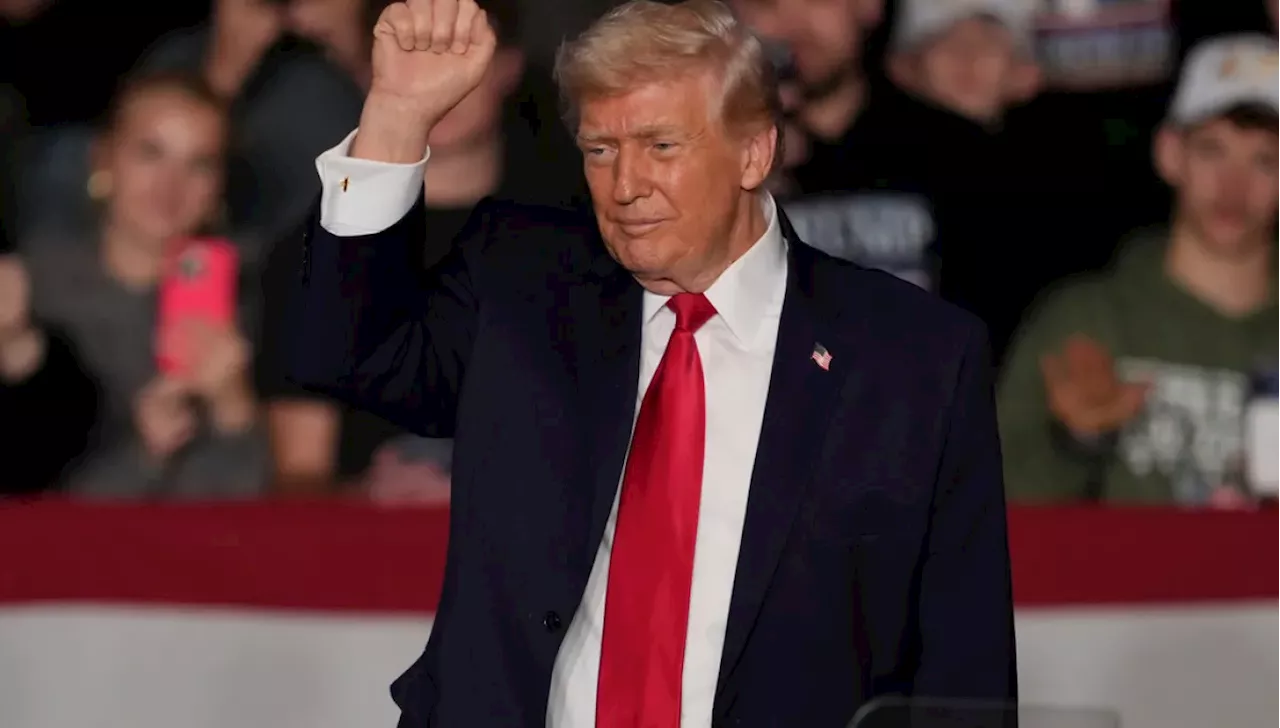
Donald Trump stated he is “very proud” of the U.S. economy during a recent interview, even as polling reveals a significant majority of Americans disapprove of his economic management. According to a poll conducted by NPR, Marist, and PBS News, only 36% of respondents approved of Trump’s handling of the economy, while 59% disapproved. This marks a notable increase in disapproval from 57% just a month prior.
During an interview with NBC News, Trump claimed that the nation is currently experiencing the “Trump economy.” He attributed the economic challenges to his political opponents, asserting, “They’re the ones that caused the problem.” Trump emphasized that he inherited a difficult situation, stating, “I took over a mess in every way.”
The president’s comments come in the wake of electoral losses for his party, particularly in gubernatorial races where economic issues, especially affordability, played a critical role in determining outcomes. The most recent poll indicates that affordability continues to be a pressing concern for voters, which contributed to the success of Democratic candidates in various states.
Trump has shifted his strategy to publicly take ownership of economic policies, launching a nationwide tour to defend his administration’s achievements. He highlighted efforts to reduce the U.S. trade deficit and bolster domestic manufacturing. Nevertheless, his views on tariffs diverge sharply from public opinion; the NPR-Marist-PBS News survey revealed that 56% of respondents believe tariffs on foreign countries are detrimental to the U.S. economy, while only 31% think they provide benefits.
The recent economic disapproval rating is the highest recorded during Trump’s presidency, reflecting ongoing public dissatisfaction. As the political landscape evolves, Trump’s approach may continue to adapt in response to voter sentiment and economic realities.
In summary, while Trump asserts pride in the current state of the economy, public perception reveals a stark contrast, with many Americans expressing concern over economic management and affordability. The political implications of these sentiments could influence upcoming elections and shape future policy discussions.