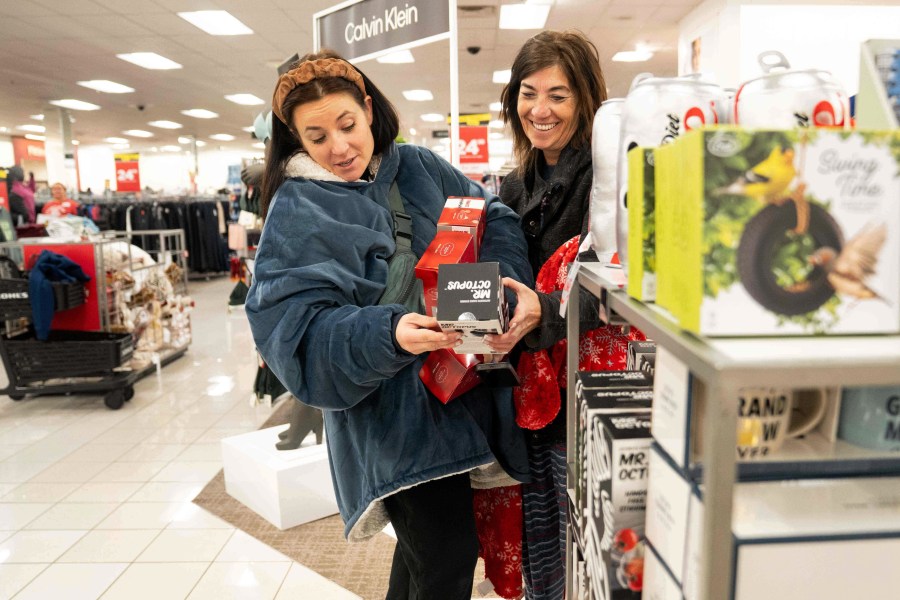
Sales at U.S. retailers and restaurants remained unchanged in October compared to September, reflecting a cautious approach from consumers amidst ongoing economic uncertainties. According to a report released on November 14, 2023, by the U.S. Department of Commerce, this stagnation follows a period of increased spending over the summer months.
The report indicated that when excluding sales from motor vehicle and auto parts outlets, retail sales actually rose by 0.4%. This increase suggests that while overall spending has plateaued, certain sectors are still witnessing growth. However, the unchanged figure signals a shift in consumer behavior as many are tightening their budgets in response to rising prices and economic instability.
Economic analysts note that the current retail landscape is influenced by various factors, including inflationary pressures that have impacted the cost of living. Shoppers are now more selective, prioritizing essential purchases over discretionary spending. The uncertainty surrounding interest rates and potential economic downturns has further contributed to this cautious consumer sentiment.
Sales data from October revealed that while some categories experienced growth, others struggled. For instance, clothing and accessory stores saw a modest increase, while department stores and electronics retailers faced declines. The mixed performance of different retail categories underscores the challenges faced by businesses as they navigate a complex economic environment.
Looking ahead, analysts suggest that retailers may need to adapt their strategies to align with shifting consumer preferences. Promotions and targeted marketing may play a significant role in encouraging spending as consumers continue to assess their financial situations.
In summary, the stability in retail sales for October highlights a critical moment for U.S. consumers and businesses alike. As shoppers moderate their spending habits, the retail sector must respond to these changes while addressing the broader economic challenges that lie ahead.