A new legislative proposal in Utah aims to change the name of Harvey Milk Boulevard to Charlie Kirk Boulevard. The bill, sponsored by Rep. Trevor Lee (R-UT), has sparked considerable debate within the community and beyond, reflecting broader cultural tensions.
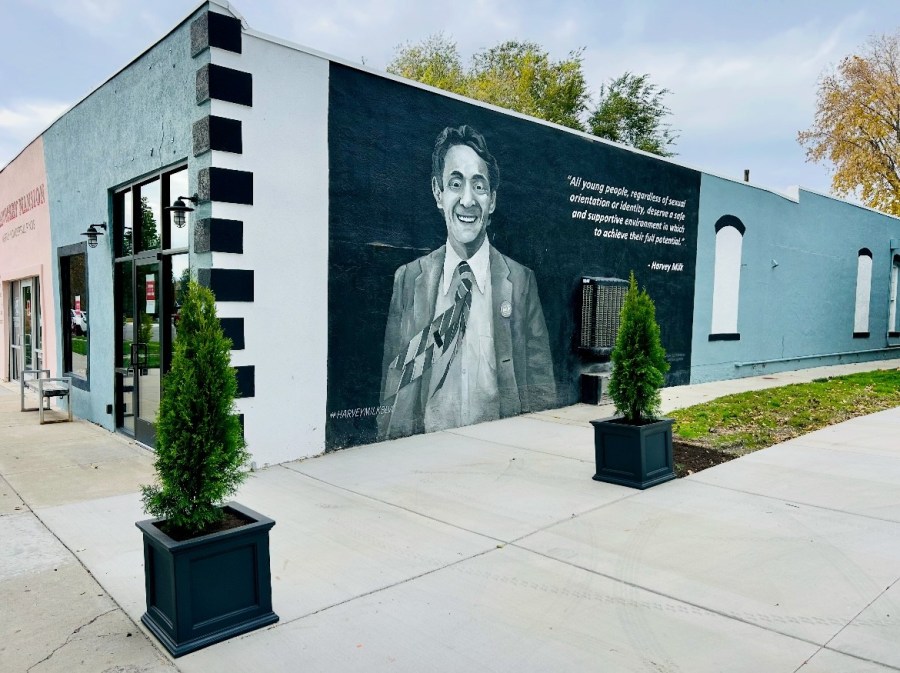
Harvey Milk Boulevard is named after the renowned LGBTQ+ rights activist and politician, who became a symbol of the fight for equality after his assassination in 1978. The proposed change, announced in early October 2023, seeks to honor Charlie Kirk, the founder of the conservative group Turning Point USA and a prominent voice in contemporary conservative politics.
Critics of the proposal argue that renaming the boulevard would erase an important symbol of progress for the LGBTQ+ community. They have expressed concerns that the change reflects a broader trend of diminishing recognition for LGBTQ+ rights and history. In contrast, supporters of Rep. Lee’s initiative claim that it highlights the values of free speech and conservative principles.
Local reactions to the proposal have been mixed. Residents in Salt Lake City have voiced their opinions at community meetings and on social media platforms. Some see this as an opportunity to celebrate conservative values, while others worry that it undermines the legacy of Harvey Milk and the ongoing struggle for LGBTQ+ rights.
Support for the bill is not confined to Salt Lake City. It has gained traction among certain conservative groups in Utah, who view it as a necessary step toward promoting their ideological beliefs in public spaces. However, this has also led to clashes between various community factions, with protests and counter-protests planned in the coming weeks.
In the legislative process, the proposal will need to undergo multiple readings and discussions before it can be formally enacted. Lawmakers are expected to address the implications of such a name change, considering both community sentiment and historical significance.
As the debate unfolds, it signals a growing divide in American society regarding issues of representation and identity. This proposal not only affects the local landscape but also resonates with national conversations about the representation of marginalized communities in public spaces.
The outcome of Rep. Lee’s bill will likely have lasting implications for both Salt Lake City and the broader discourse on how communities choose to honor their histories and values. With public hearings on the matter anticipated in the coming months, the conversation around this name change is expected to continue, drawing attention from both supporters and opponents alike.