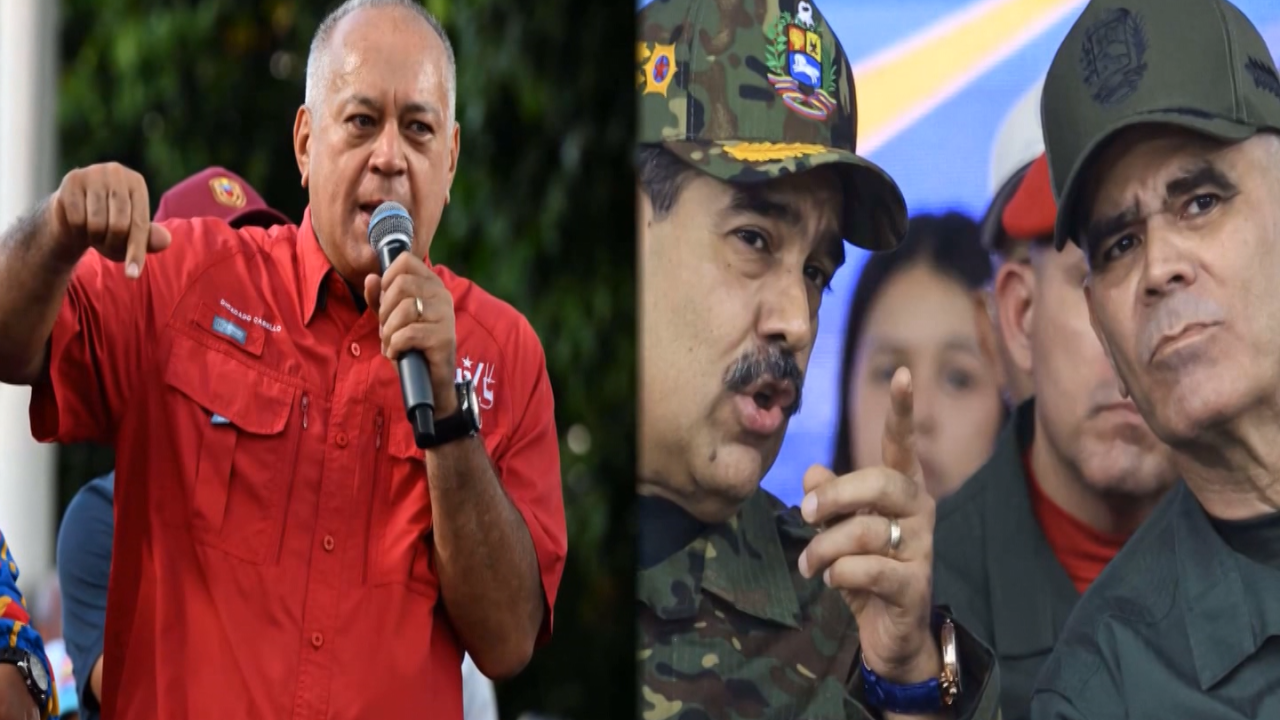
The economic crisis in Venezuela has reached alarming levels, with a staggering loss of 72 percent of its economy during the nearly 13 years of Nicolás Maduro’s presidency. This dramatic downturn is rooted in policies implemented by both Maduro and his predecessor, Hugo Chavez, over a span of 25 years. Understanding the factors that led to this crisis sheds light on the potential ramifications for Maduro’s future in power.
Chavez, who ruled from 1999 until his death in 2013, implemented a series of socialist reforms aimed at redistributing wealth and increasing social spending. Initially, his policies enjoyed popularity as they lifted many Venezuelans out of poverty. However, reliance on oil revenues to fund these programs became a critical vulnerability. When oil prices plummeted in 2014, the government’s financial stability began to falter, setting the stage for the economic turmoil that followed.
Maduro succeeded Chavez in a political landscape already marked by economic instability. During his tenure, the government continued to pursue similar policies but faced increasing international sanctions and a significant decline in oil production. According to data from the Central Bank of Venezuela, the country’s gross domestic product (GDP) fell dramatically as the government’s mismanagement and corruption exacerbated the crisis.
The impact of this economic collapse has been profound. Basic goods have become scarce, inflation soared to unprecedented levels, and millions of Venezuelans have fled the country in search of better living conditions. As of 2023, the United Nations estimates that over 7 million Venezuelans have emigrated, creating one of the largest migration crises in the world.
The political landscape is equally tumultuous. Maduro has faced increasing opposition both domestically and internationally. Despite holding onto power, his government has been accused of human rights abuses and electoral fraud. The opposition, rallying behind figures such as Juan Guaidó, has sought to challenge Maduro’s authority, leading to protests and political unrest.
Internationally, the situation has drawn attention and condemnation from various governments and organizations. The European Union and the United States have imposed sanctions aimed at pressuring Maduro to step down. These sanctions, while intended to restore democracy, have also contributed to the suffering of ordinary Venezuelans, raising complex questions about the efficacy and morality of such measures.
As the country grapples with these compounded crises, the outlook remains uncertain. Maduro’s grip on power has been challenged, but the absence of a clear alternative leaves Venezuela in a precarious position. The intertwined legacies of Chavez and Maduro serve as a cautionary tale about the perils of economic mismanagement and political authoritarianism.
In summary, Venezuela’s dramatic economic decline is a result of two decades of governance marked by populist promises that ultimately faltered against the realities of a volatile oil market and poor administrative practices. The path forward for Venezuelans remains fraught with challenges as they seek stability, democracy, and a return to prosperity.