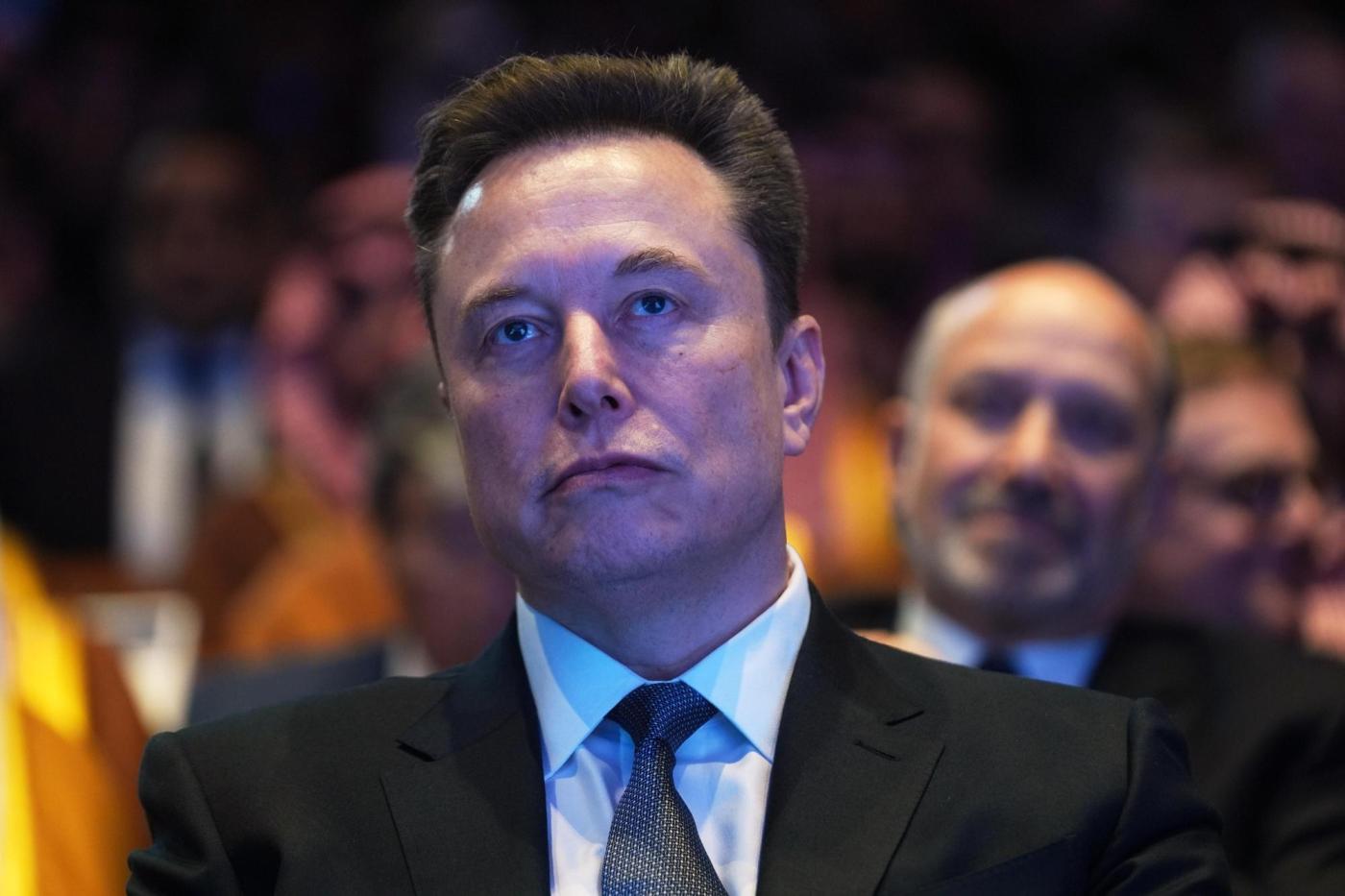
In a recent conversation with conservative influencer and aide Katie Miller, billionaire entrepreneur Elon Musk described his experience leading the now-defunct Department of Government Efficiency as “somewhat successful.” During the interview on the “Katie Miller Podcast,” Musk expressed regret about his involvement with the agency, indicating that he would not pursue a similar initiative again.
Musk, who is the CEO of both Tesla and SpaceX, also owns the social media platform X. He noted that his efforts with the Department of Government Efficiency, which aimed to streamline federal operations, ultimately diverted his attention from his core businesses. “Instead of doing DOGE, I would have, basically, built … worked on my companies,” Musk remarked, reflecting on the challenges he faced in attempting to reform governmental systems quickly.
During the podcast, which lasted over 50 minutes, Musk acknowledged the difficulties inherent in transforming federal operations. He stated, “We were a little bit successful. We were somewhat successful,” while lamenting that his initiatives did not gain the popularity he anticipated. This lack of success had a tangible impact on his businesses, particularly noting issues such as consumer protests against Tesla, which he referred to as “burning the cars.”
Despite his mixed feelings about the agency, Musk credited it with potentially saving up to $200 billion annually by eliminating what he termed “zombie payments.” These payments, he explained, could be avoided with improved automation and coding for federal payouts. However, this figure is significantly less than his earlier claims that an efficiency commission could achieve savings in the trillions.
Musk’s departure from the Trump administration in the spring of 2023 came just before the agency officially closed its doors last month. He defended the controversial agency, stating that it aimed to tackle inefficiencies within federal data systems. Nonetheless, Miller did not delve deeply into the operational specifics of the agency during their discussion.
The interview also touched on various topics, including Musk’s views on artificial intelligence, social media dynamics, conspiracy theories, and even fashion. The conversation highlighted Musk’s ability to engage with a wide array of subjects, showcasing his multifaceted interests beyond technology and business.
Despite the challenges faced during his time with the Department of Government Efficiency, Musk’s fortunes have since improved. Recently, Tesla shareholders approved a pay package that could potentially make Musk the world’s first trillionaire, bolstering his status as a leading figure in the tech industry.
As Musk continues to navigate the complexities of business and technology, his reflections on past ventures offer insights into the challenges of merging public service with private enterprise. The future remains bright for Musk as he shifts his focus back to his companies and the innovations they bring.