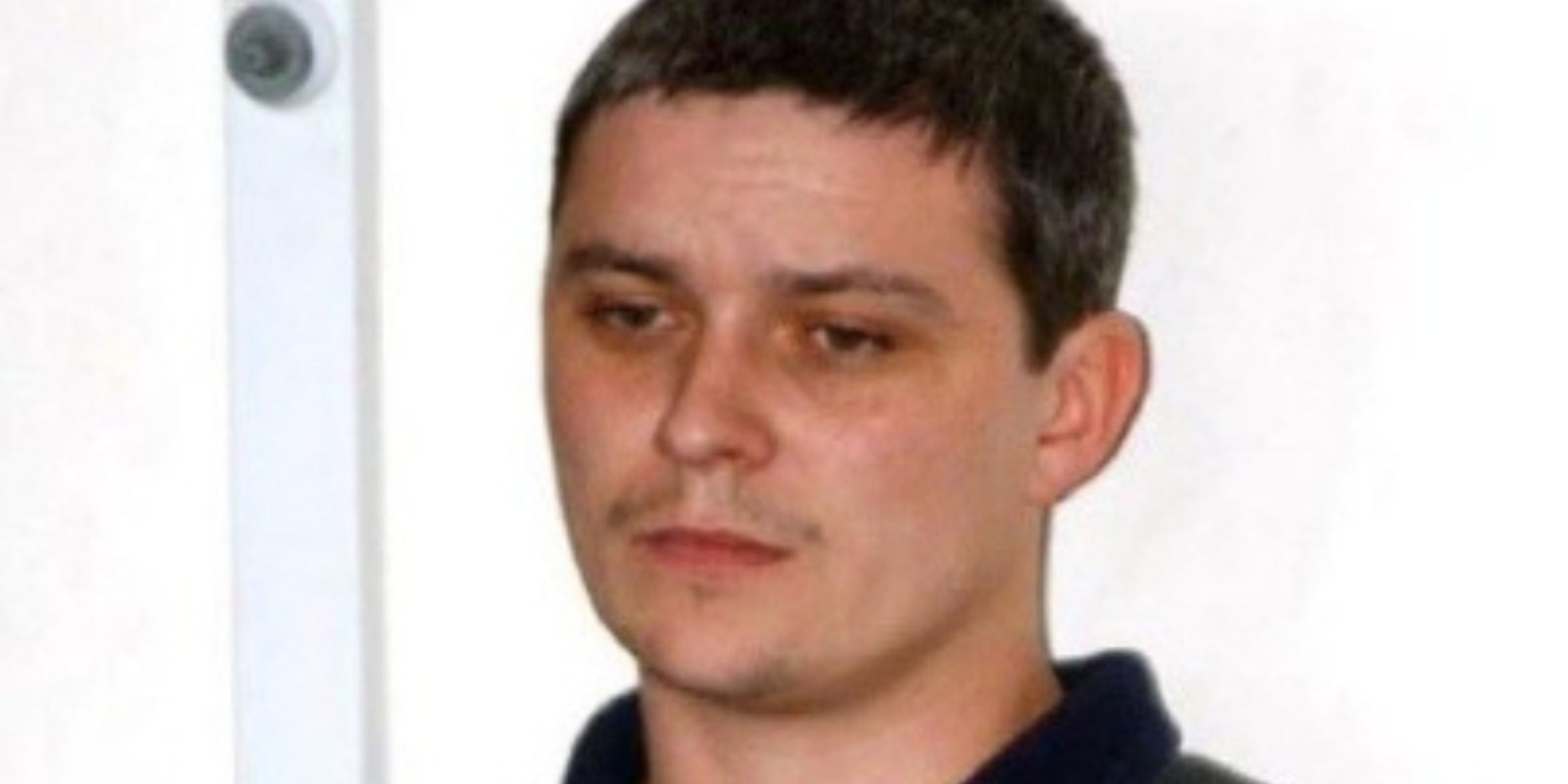
The letters of Ian Huntley, a notorious British criminal, have resurfaced following his violent death in prison. These correspondences reveal unsettling interactions with a female pen pal during his incarceration and provide insight into his mindset. Huntley, who murdered ten-year-old best friends Holly Wells and Jessica Chapman in Soham, England, in August 2002, wrote to the unnamed woman for over a year while awaiting trial.
Huntley spent time in Rampton Psychiatric Hospital before being transferred to prison. In a series of letters, he made a disturbing request for her to send him a photograph wearing a Manchester United shirt. This detail is particularly chilling, as Wells and Chapman were last seen alive wearing matching shirts from the football club. Their image became emblematic of the tragic case after their disappearance on August 4, 2002.
The letters, which were written between 2003 and 2006, included references to Huntley’s emotional state. In one undated letter, he remarked on his mood swings, stating, “When I’m down, I’m a miserable git, and when I’m cheerful I’m a barking woof woof.” His letters were often laced with manipulative language, as he threatened to stop writing if she did not comply with his requests.
In a letter dated February 18, 2026, just eight days before his brutal attack at HMP Frankland, Huntley hinted at difficulties behind bars. He stated, “I’ve had a lot to deal with lately,” suggesting that he might have sensed impending trouble. The identity of the pen pal remains undisclosed, prompting a wave of reactions from the public, many questioning the motivations of someone willing to correspond with such a figure.
As the letters gained attention, social media users expressed their shock. Comments included concerns about the psychological state of Huntley’s correspondent, with one user questioning, “Who would be his pen pal must be as sick as him?” This sentiment resonated widely, highlighting a public fascination with the darker aspects of criminal psychology.
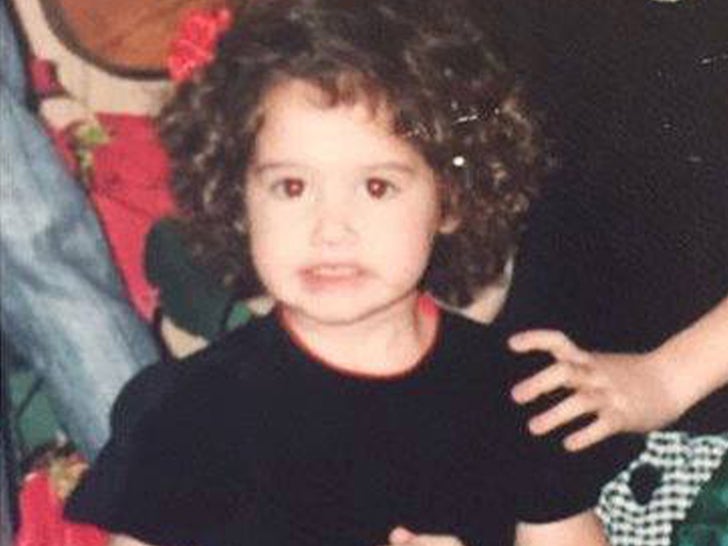
Furthermore, another letter recently surfaced, written by Huntley to his daughter, Samantha Bryan. Bryan only discovered her father’s identity at the age of 14 and sought to understand him better. In his letter, Huntley expressed skepticism about ever meeting her, stating, “Given the probable length of my future and your current motives, I doubt there will be enough time for a significant shift in circumstances.”
These revelations provide a stark contrast between Huntley’s terrifying legacy and the personal struggles of those affected by his actions. Bryan described her father as a “pitiful, twisted, manipulative coward,” while her mother expressed relief at Huntley’s demise, believing he had received his just deserts.
Huntley was serving two life sentences at the time of his death and would not have been eligible for parole until at least 2042. He was discovered with severe head injuries after an attack in prison, which has since raised questions about prison safety and the treatment of high-profile inmates.
The resurfacing of Huntley’s letters has prompted a broader conversation about the nature of criminal pen pal relationships. Many argue that such correspondences only serve to grant notoriety to individuals like Huntley, suggesting that society should not extend empathy or attention to them.
As more details emerge about Huntley’s life and interactions, the fallout from his actions continues to reverberate, affecting not only his victims’ families but also the larger community that grappled with the horror of his crimes.