The latest installment in the *Game of Thrones* universe, *Knight of the Seven Kingdoms*, has successfully reintroduced the iconic theme music of the original series in a way that resonates with both new and seasoned viewers. This fresh approach marks a departure from *House of the Dragon*, which opted to reuse Ramin Djawadi’s beloved score without significant variation in its opening titles.
When *Knight of the Seven Kingdoms* premiered on March 1, 2024, it quickly generated buzz for its unique take on Djawadi’s theme. The show introduces viewers to Ser Duncan the Tall, whose heroic moment is humorously interrupted by an unexpected bathroom break. This comedic twist underscores a central theme: this is not the *Game of Thrones* fans remember. Critics noted that some viewers found the joke off-putting, interpreting it as a slight against the franchise’s legacy.
In contrast, *Knight of the Seven Kingdoms* features a score composed by Dan Romer, which diverges from the grand orchestral style typical of its predecessor. Instead, Romer’s composition incorporates a whimsical, folk-inspired sound characterized by gentle guitar melodies and subtle whistles. This musical style complements the show’s more intimate storytelling, showcasing in-universe songs that reflect the lives of its characters.
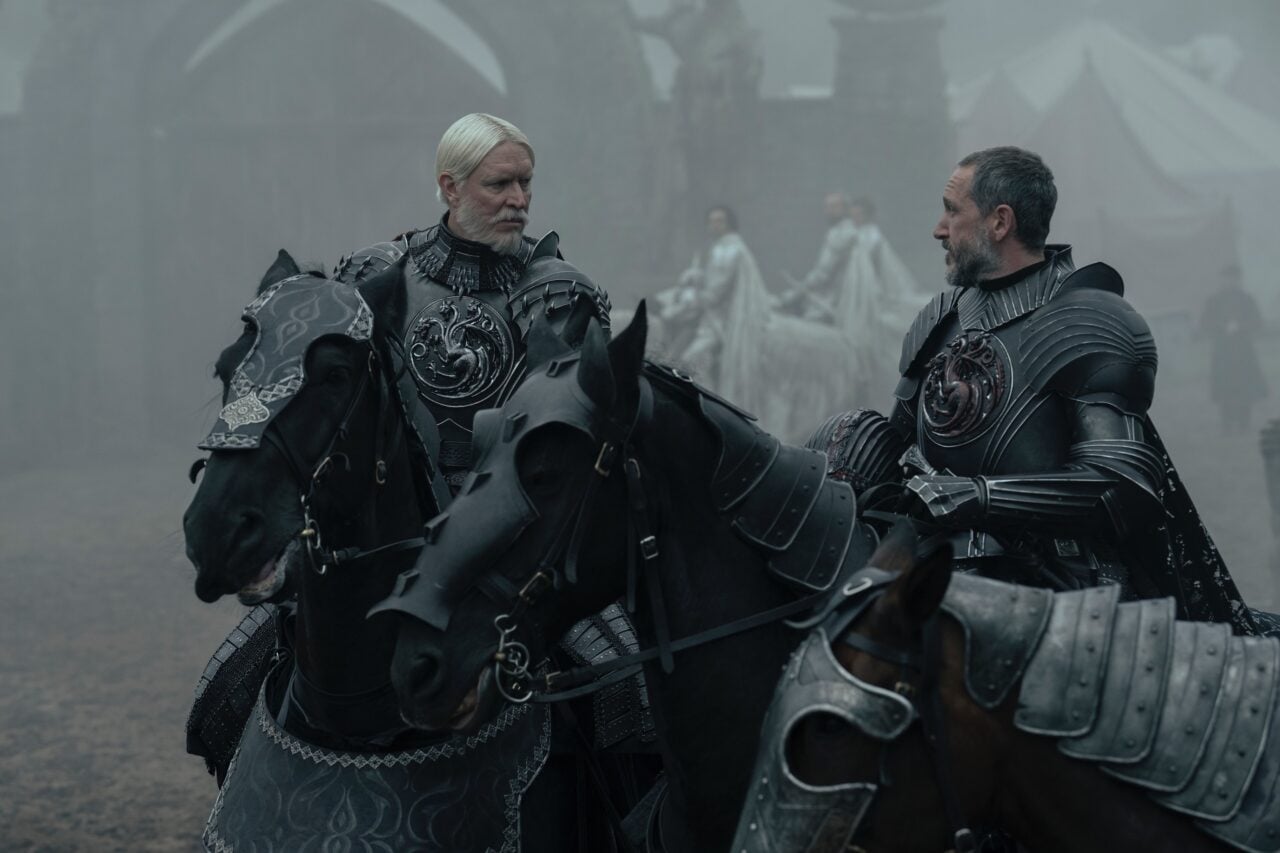
As the series has unfolded, the narrative has taken a darker turn for Duncan, particularly in the recent episode titled “Seven.” Following his decision to defend Tanselle the puppeteer, Duncan finds himself embroiled in a trial by combat to prove his innocence. This pivotal moment brings back the *Game of Thrones* theme, dramatically heightening the stakes of the story.
During a tense scene where Duncan seeks a noble warrior to join his side, an audience member humorously interrupts with a loud fart. This moment sets the stage for a surprising revelation: Baelor Targaryen, Aerion’s uncle and heir to the throne, steps forward to assist Duncan. The episode culminates in an orchestral arrangement that marries Djawadi’s original theme with Romer’s score, producing a powerful emotional response.
The blend of these musical styles is particularly impactful as it encapsulates the essence of knightly valor and the complexities of nobility within the *Game of Thrones* universe. As the show transitions from comedic elements to serious themes, the music serves as a narrative device, enhancing the viewer’s connection to the characters and their journeys.
This seamless integration of the *Game of Thrones* theme into a smaller, character-driven story illustrates a thoughtful evolution of the franchise. Rather than relying solely on nostalgia, *Knight of the Seven Kingdoms* elevates Duncan’s personal narrative by linking it to the grander themes of honor and heroism that resonated throughout the original series.
By playing with audience expectations and incorporating humor, the show creates a richer tapestry that invites viewers to invest emotionally in Duncan’s quest. The use of the iconic theme in this context not only honors its legacy but also redefines its significance within the narrative framework of *Knight of the Seven Kingdoms*.
As the series progresses, audiences are left eager to see how the integration of music will continue to enhance the storytelling, promising an engaging experience that melds humor with high-stakes drama in the ever-expansive world of Westeros.