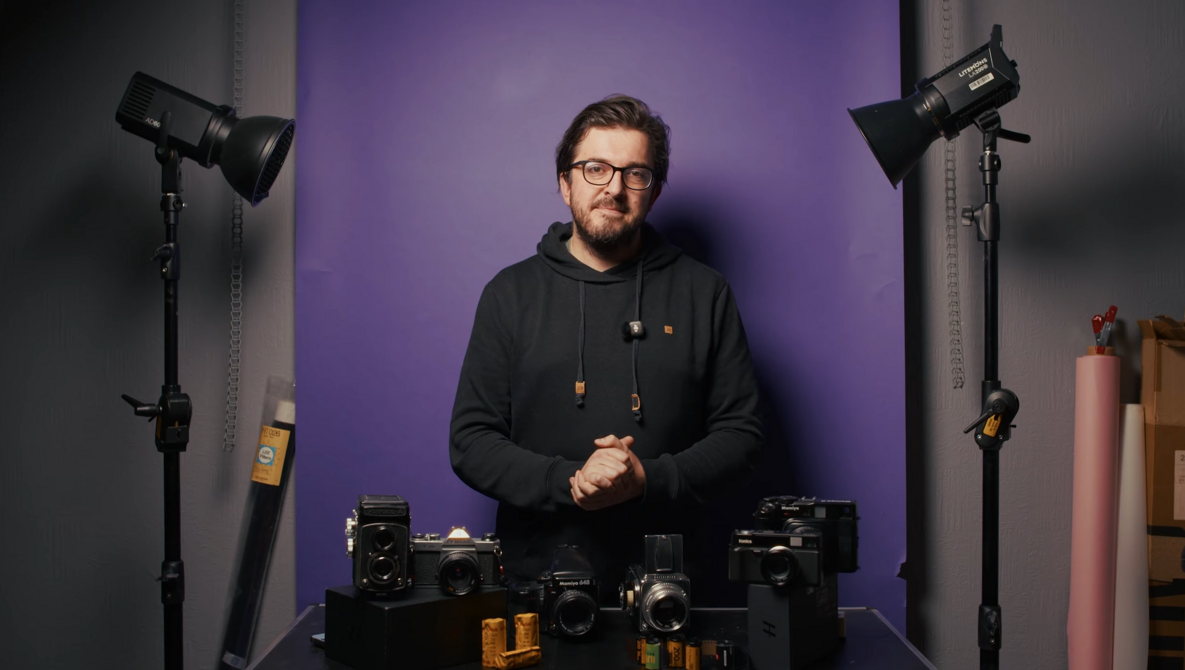
Film photography is experiencing a resurgence as enthusiasts seek a more deliberate approach to capturing images. A recent video guide by Alex Cooke presents a straightforward introduction to film photography, aimed specifically at beginners. Through practical advice, the video demystifies the process of selecting cameras and film, ensuring newcomers can navigate their options without overspending.
Understanding Your Camera Choices
One of the key takeaways from Cooke’s guide is the importance of selecting the right camera. He categorizes cameras into two main types: simple compact models and more involved single-lens reflex (SLR) types. For those just starting out, compacts like the Canon Prima Zoom and the Konica Hexar AF are presented as user-friendly options that require minimal input from the photographer.
On the other end of the spectrum, Cooke warns about the temptation of high-priced models like the Contax T2, which can lure beginners into spending large sums before they truly understand what they want in a camera. He stresses that novice photographers should focus on “starter” SLRs to keep the experience enjoyable. Classic cameras such as the Canon AE-1, Nikon F, and Pentax K1000 are highlighted for their reliability and ease of use. Cooke also introduces a modern option, the Canon EOS 1000F, which allows for a smoother transition into film photography, especially for those with existing compatible EF-mount lenses.
Navigating Film Choices and Development
Once a camera is selected, the next challenge is choosing the right film. Cooke emphasizes the potential confusion that can arise when beginners are faced with numerous options. He recommends starting with a manageable selection and explains how the choice of film locks in the ISO setting at the moment of loading. This decision significantly influences how one approaches lighting in photography.
Cooke contrasts slower film stocks with faster alternatives, providing examples of dependable black-and-white films such as Ilford HP5+ and Fujifilm Neopan. He also mentions newer films like Fujifilm Pro 400H, indicating that compelling images do not require specialized film.
In terms of post-shooting processes, Cooke discusses the often-overlooked aspect of film development. He outlines a cost-effective workflow that combines sending films to a lab for processing while scanning images at home, striking a balance between quality and expense. He shares practical advice on maintaining a sustainable photography practice, including starting with affordable gear and managing frame usage wisely.
Throughout the video, Cooke emphasizes that mistakes are part of the learning process, especially in film photography where each shot has a cost. He encourages viewers to embrace these errors as valuable lessons.
For those interested in delving deeper into film photography, Cooke’s comprehensive guide serves as an excellent starting point. The full video is available for viewing and offers insights that can help beginners navigate their journey into this rewarding medium.