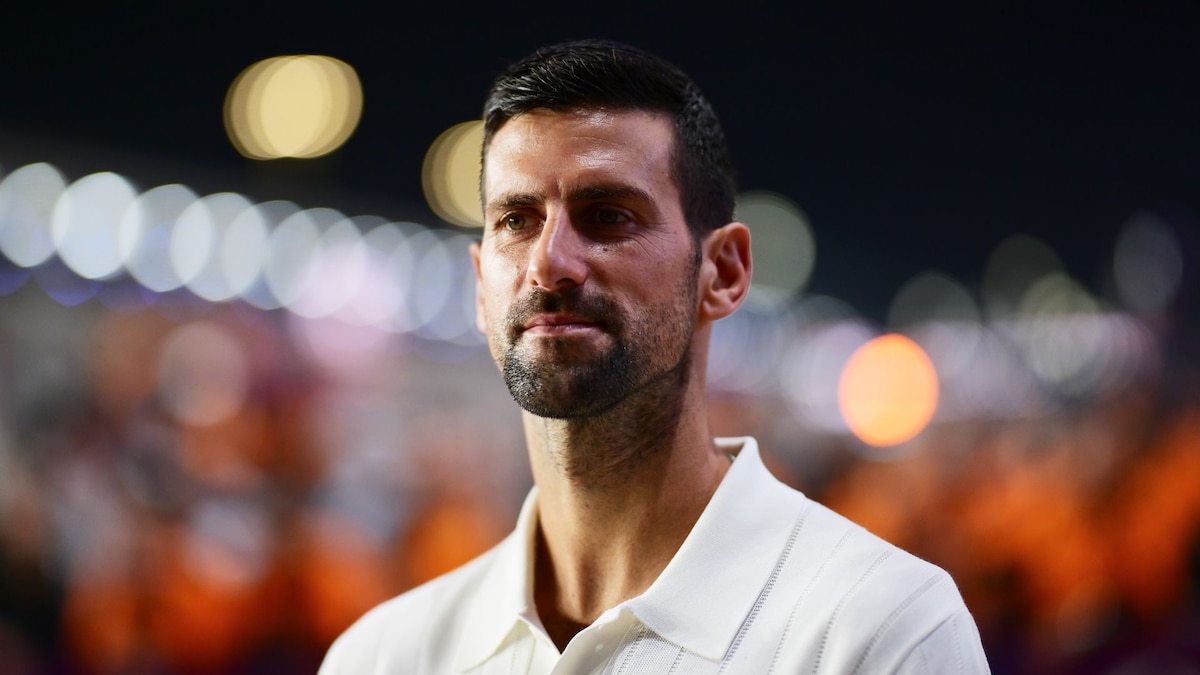
Novak Djokovic has officially severed his ties with the Professional Tennis Players Association (PTPA), a union he co-founded in 2021. This decision has sent ripples through the professional tennis community. In a statement shared on X, Djokovic expressed that his “values and approach are no longer aligned with the current direction of the organization.” This departure marks a significant moment in the ongoing evolution of player activism and governance in tennis.
The PTPA was established by Djokovic and Canadian player Vasek Pospisil to provide tennis players a stronger voice in an industry where they are often treated as independent contractors. Unlike team sports such as the NBA or NFL, professional tennis players lack formal collective bargaining agreements, leaving critical elements like prize money and scheduling largely in the hands of governing bodies, including the ATP, WTA, and ITF, as well as the four Grand Slam tournaments.
Djokovic and Pospisil aimed to address what they viewed as an imbalance that favored these institutions over the players. The PTPA was positioned as a union advocating for better remuneration, transparent governance, and enhanced protections for player welfare. This vision challenged long-standing practices within the sport, which have remained relatively unchanged for decades.
In his recent statement, Djokovic highlighted “ongoing concerns regarding transparency, governance, and the way my voice and image have been represented.” This indicates that his departure is less about the principle of player representation and more about his dissatisfaction with the organization’s management and direction.
The timing of this announcement is noteworthy. Earlier in 2024, the PTPA initiated a significant class action lawsuit against the ATP, WTA, ITF, and the sport’s integrity agency, alleging systemic abuse and anti-competitive practices. Djokovic, despite being a prominent co-founder, was not listed as a plaintiff. At the time, he expressed a desire for other players to take the lead, a choice that now appears to reflect his distancing from the PTPA’s legal strategies.
The PTPA contends that players should receive a larger share of the revenue generated by the sport. They argue that governing bodies cap prize money and restrict players’ opportunities to earn income outside of tournaments. This sentiment resonates particularly with lower-ranked players, who often struggle to cover travel, training, and medical expenses.
Djokovic has always been strategic regarding his public persona and legacy. His exit from the PTPA indicates a reevaluation of how he wishes to engage with tennis’s structural issues. While his departure does not signify the end of the PTPA—other players like Pospisil remain committed—the organization loses a prominent advocate. Djokovic has been a vocal champion for player empowerment, using his status to highlight issues that many feel have been overlooked.
Despite his exit from the PTPA, Djokovic made it clear that he is not stepping away from tennis entirely. He stated, “I will continue to focus on my tennis, my family, and contributing to the sport in ways that reflect my principles and integrity.” This suggests he may pursue reform through more traditional avenues rather than confrontational legal battles.
Djokovic’s influence on and off the court remains significant, and his departure from the PTPA marks a new chapter in his career. As discussions about prize money, governance, and player welfare continue, the questions raised by the PTPA will not fade away. The future of player representation in tennis is still unfolding, and the impact of Djokovic’s decision will likely be felt for years to come.